• About
  • Farmers

vedika

~ your forum for critical and constructive writings

vedika

Category Archives: History

Death By Coconut: A Story Of Food Obsession Gone Too Far

06 Sunday Dec 2015

Posted by raomk in History, Uncategorized

≈ Leave a comment

Tags

Coconut, Death, Food Obsession

It is an interesting story picked for VEDIKA readers from NPR

Death By Coconut: A Story Of Food Obsession Gone Too Far

NINA MARTYRIS
German nudist August Engelhardt sits in front of his thatched tent-like hut on the island of Kabakon (in what is now Papua New Guinea) with the books that he brought with him from Germany. In 1902, he moved to the South Pacific to start a utopian cult that revolved around two orbs: the coconut and the sun.

German nudist August Engelhardt sits in front of his thatched tent-like hut on the island of Kabakon (in what is now Papua New Guinea) with the books that he brought with him from Germany. In 1902, he moved to the South Pacific to start a utopian cult that revolved around two orbs: the coconut and the sun.

Courtesy of Christian Kracht, author of Imperium

The coconut has developed a bit of a faddish following in the West.

Today, devotees add coconut oil to coffee, dab it on acne and, following Gwyneth Paltrow’s example, swirl it around in their mouths to fight tooth decay. Starbucks has launched a coconut-milk latte. And the coconut-water business has surged to $400 million, with a little help from Madonna and Rihanna.

No one would be more delighted at the coconut’s rising star than August Engelhardt, a sun-worshipping German nudist and history’s most radical cocovore.

From 1902 to 1919, Engelhardt lived on a beautiful South Pacific island, eating nothing but the fruit of Cocos nucifera, which he believed was the panacea for all mankind’s woes. Except that a coconut mono-diet proved to be a terrible idea. At the end of his life, der Kokovore was reduced to a mentally ill, rheumatic, severely malnourished sack of bones with ulcers on his legs. He was only 44.

Engelhardt was resurrected from near-oblivion by Swiss writer Christian Kracht’s marvelous 2012 novel, Imperium: A Fiction of the South Seas, which fictionalizes the German cocovore’s bizarre and poignant story. The English translation by Daniel Bowles was published this year in the U.S. to fine reviews.

Kracht’s interest in Engelhardt was sparked by a chance encounter. One day at a yard sale in Murnau, Germany, he came across a sepia-tinted postcard of a scrawny, bearded man in a checked loincloth standing under a palm tree.

“He looked like a proto-hippie, and very modern,” Kracht told The Salt. “I really wanted to get to know this person. But there was nothing known about him at the time — no Wikipedia page (there is one now) or anything at all. The only thing I could find was a thesis by a student at the University of Auckland. So I went and met him in New Zealand, but somehow it wasn’t enough.”

The novelist in Kracht was itching “to embroider Engelhardt’s life story,” especially “since coconuts are intrinsically funny.” Imperium, a stylish satire, invents meetings with Thomas Mann and Kafka, and ends with a leprosy-afflicted Engelhardt eating his own thumb.

But even without a stich of embroidery, Engelhardt’s story beggars belief.

Born in Nuremberg in 1875, August Engelhardt was among the disaffected youngsters drawn to the back-to-nature Lebensreform (Life Reform) movement sweeping through Germany and Switzerland at the time. Its proponents yearned after an unspoiled Eden where people ate vegetables and raw food.

Engelhardt was especially taken by Gustav Schlickeysen’s 1877 dietary treatise, Fruit and Bread: A Scientific Diet. Influenced by Darwinism, the book claimed that since the natural food of apes was uncooked food and grain, that was also “the proper food for man.”

Engelhardt took it even further: For him, even bread and fruit were tainted. In his mind, the only immaculate and mystical fleshpot was the coconut, with its snowy white meat and translucent water.

In 1898, he and fellow vegetarian August Bethmann laid out their vision in a pamphlet called A Carefree Future: The New Gospel.

As the pamphlet’s grandiose subtitle makes plain, Engelhardt’s ambitions of a Coconut Camelot, with himself as a nude King Arthur, were driven by much more than dietary compulsions: His was a spiritual quest.

“He believed that since the coconut grew high up in the tree, closest to God and closest to the sun, it was godlike,” says Kracht. “And since it had hair and looked like a human head, he thought it came closest to being a man. According to his rather crackpot theory, to be a cocovore was to be a theophage — or eater of God.”

But being the custodian of these paradisiacal ideas in stuffy steak-and-sausage Germany was no fun. “He chafed against the constraints of Wilhelminian Germany, which was very Victorian,” says Kracht. “One can imagine what a misfit a nudist-vegetarian with a very, very long beard would be in this repressive society. He was ridiculed and wanted to get away.”

August Engelhardt stands underneath a palm tree with Berlin concert pianist Max Lützow at his feet. Lützow went to Kabakon to join Engelhardt's sun-worshipping cocovore cult, The Order of the Sun. He died there, as did several other followers.i

August Engelhardt stands underneath a palm tree with Berlin concert pianist Max Lützow at his feet. Lützow went to Kabakon to join Engelhardt’s sun-worshipping cocovore cult, The Order of the Sun. He died there, as did several other followers.

Courtesy of Christian Kracht, author of Imperium

In 1902, Engelhardt boarded a ship with his library of books and sailed to the Bismarck Archipelago (now Papua New Guinea), where he bought a plantation on the island of Kabakon. He built himself a thatched hut, began to trade in coconut oil and prepared to establish his cult, called Sonnenorden (Order of the Sun).

The short-lived cult revolved around two orbs: the coconut and the sun. Soon, Engelhardt’s co-author, Bethmann, joined him, and together they wrote up passionate advertorials that were printed in Germany. Have no fear of malaria, they assured their readers: The coconut is more effective than quinine.

At least 15 young Germans, seduced by the fantasy of a tropical idyll where they didn’t have to shave, went out to join them. Among them was a Berlin concert pianist, Max Lützow, seen in the picture at Engelhardt’s feet.

It ended calamitously. Several cultists — including Bethmann and Lützow — died, while others returned to Germany malarial and furious. Eventually, the local German governor banned any more adventurers from joining.

Left alone, Engelhardt was unfazed. “The coconut is the Philosopher’s Stone,” he said. “What are universities in comparison to such a lifestyle?” In 1905, The New York Times carried a story on him titled, “Failure of a Womanless Eden in the Pacific—A Strange Story from the South Seas.”

Kracht’s title Imperium has an ironic double meaning: the absolute power of the coconut in Engelhardt’s philosophy, and the imperialism of Germany. Even a dreamer like Engelhardt must have known that his peculiar lifestyle was enabled only by German colonialism. The privileged status he enjoyed on Kabakon was akin to that enjoyed by the ivory trader Kurtz in Joseph Conrad’s great critique of colonialism,Heart of Darkness.

“Engelhardt was ultimately a white colonizer, so the local people were made to accept that and not question his authority,” says Kracht. “He couldn’t simply be naked in Germany; he would be arrested.”

But unlike the ruthless and abusive Kurtz, Engelhardt, whom Kracht calls “a thwarted artist,” comes across as a pitiable, even likeable, eccentric.

There is, however, an uneasy resonance between the purity-and-utopia-obsessed cocovore and another German, whose insanity, says a sardonic Kracht, “was not in a nutshell but on a larger level.” The novel makes the Hitler allegory explicit, stating that if “parallels arise with a later German romantic and vegetarian who perhaps ought to have remained at his easel, then this is entirely intentional.”

It’s easy to laugh at Engelhardt — and yet, his fixation on eating a dangerously narrow “pure” and healthy diet has echoes in modern times.

At the end, Engelhardt weighed just 66 pounds and became a freak show for tourists. Imprisoned by Australian soldiers during World War I, he returned to Kabakon after his release and was reportedly found dead on the beach in 1919, though Kracht says no one knows for sure when or where he died.

When Kracht visited Kabakon for his research in 2010, he found no trace of imperial Germany. “No Lutheran churches, nothing. The Japanese blew everything up in the second world war,” he says.

What survive are the sun, the coconuts, the mosquitoes and the legend of Le Morte D’August — a cautionary tale on the perils of food fanaticism.


Nina Martyris is a freelance journalist based in Knoxville, Tenn.

Share this:

  • Tweet
  • More
Like Loading...

THE BLACK BOOK OF CAPITALISM

06 Sunday Dec 2015

Posted by raomk in History, INTERNATIONAL NEWS, Left politics

≈ Leave a comment

Tags

Anti communist, CAPITALISM, Goebbels, Propaganda

Anti communists are always branding communists as genocides  and misleading the peoples with false propaganda. They believe in Goebbels, the facts are not true,  But who is really genocides, look into …..

THE BLACK BOOK OF CAPITALISM

By Daniel Gilbert

Rwandan GenocideMost Americans today think that communism has been one of the most genocidal ideologies in human history. Many are misinformed by anti-communist propaganda stating that we have killed over 100 million people when in fact this is not true remotely. I will save that for another time today we are here to discuss the deaths caused by capitalism.

In India when the English colonized India in the 19 century they tried to make it as profitable as possible this included making the Indian farmers switch from food production to cotton production this lead to a massive famine that killed 30 million people in India.

While in America we were undergoing one of the best examples of ethnic cleansing to date. The forced removal of the Native Americans from their homelands resulted in over 14 million people dying and the rest forced to live on reservations. All this done because a need for raw resources, required more land.  All those keeping track at home this brings the count to 44 million dead and we haven’t even got into the 20th century.

An examination of imperial Russia shows that because of a lack of modernization and greedy hoarding done by capitalist and nobles lead to routine famine called the “hungry years” leading to countless deaths and starvation. This continued until the 1920-1930 through which the collectivization of agriculture by Soviet Union lead to less deaths and ended widespread starvation. When China was under the Qing dynasty, British merchants illegally sold opium. A 3 year long war resulted which ended in China’s defeat. This left hundreds of thousands dead the results of the war lead to Te Tai Ping rebellion. A famine later happened due to the countless fighting, corruption and bad weather again this death toll is incalculable.

The exploitation of the African people who due to the domination of foreign governments where second-class citizens in their own country. When African nations finally became independent from imperialist rule the Europeans left Africa in a “cookie cutter” state. Meaning that nations where drawn out on a map without consideration of the local ethnicity. Which lead to many civil wars including the famous one in Rwanda where 800,000 lost their lives due to imperialist favoritism. The international world did nothing to stop this atrocity.

In Yugoslavia with lack of care from the international world the government collapsed due to pressure put on them by the World Bank and the IMF lead to war within the country. Now this article leaves out many things that also happened under capitalist rule that is because it is nearly impossible to figure out the total death toll if you may know any more events please feel free to comment.

From Peoples World

Share this:

  • Tweet
  • More
Like Loading...

Read Hatred in the belly: Politics behind the appropriation of Dr Ambedkar’s writings

05 Saturday Dec 2015

Posted by raomk in Communalism, History, Literature., NATIONAL NEWS, Social Inclusion

≈ Leave a comment

Tags

Annihilation of Caste, BR Ambedkar, Round Table India

 roundtableindia.co.in/

Ambedkar Age Collective

hitbamazon

Dear friends, we’re happy to announce the release of our first book, Hatred in the belly: Politics behind the appropriation of Dr Ambedkar’s writings, published by The Shared Mirror Publishing House. It is available on amazon here. 

Hatred in the belly, as you know, is a compilation of the debates triggered by the attempted appropriation of Babasaheb’sAnnihilation of Caste, which were featured on Round Table India.

Hatred in the belly is a Telugu phrase (kaDupulO kasi) taken from a speech delivered by poet Joopaka Subhadra, in Hyderabad, on the appropriation of Babasaheb Ambedkar’s Annihilation of Caste. The speech, included in this volume, aptly summarises the deep-seated hostility of Brahminic India towards the Dalit Bahujan. Similarly, the other essays and speeches collected in this volume, written and delivered by a number of writers, academics, students, and activists (referred to as the Ambedkar Age Collective in this book), unfurl before you a critical tapestry dissecting the hegemonic brahminic discourse which works towards delegitimizing the radical legacy of Amebdkarite thought. The most stark example of these efforts, from the ‘left’ and the ‘right’ of the Indian political spectrum, is the Navayana edition of Babasaheb’s AoC with an ‘introduction’ by Arundhati Roy.

The works collected here emerged as spontaneous reactions to the Roy-Navayana project from multiple locations and in multiple languages. The varied interventions, which began online, and the discursive terrains it opened up offer us a glimpse of the ways through which the marginalised resist continued attempts made at hegemonising their knowledge and lives by the brahminic oppressors irrespective of their political leanings.

Authors include: Bojja Tharakam, Adv. Dr. Suresh Mane, Anoop Kumar, U. Sambashiva Rao, Sunny Kapicadu, K K Baburaj, Joopaka Subhadra, Dr. K Satyanarayana, Anu Ramdas, Kuffir, Gurinder Azad, Shakyamuni, Dr Sangeeta Pawar, Dr O.K. Santhosh, Dr B. Ravichandran, Dalit Camera: Through Un-Touchable Eyes, Karthik Navayan,  Vaibhav Wasnik, Nilesh Kumar, Asha Kowtal, Nidhin Shobhana, Gee Imaan Semmalar, Syam Sundar, Murali Shanmugavelan, Praveena Thaali, Dr Karthick RM, Huma Dar, Joby Mathew, James Michael, Akshay Pathak, Vinay Bhat, Yogesh Maitreya, Thongam Bipin, Sruthi Herbert, Gaurav Somwanshi, Kadhiravan, Rahul Gaikwad, Joe D’Cruz.

Buy the book on Amazon here: http://www.amazon.in/gp/product/8192993000/ref=olp_product_details?ie=UTF8&me

Product details

Paperback: 263 pages
Publisher: The Shared Mirror Publishing House; First Edition edition (2015)
Language: English
ISBN-10: 8192993000
ISBN-13: 978-8192993003


Share this:

  • Tweet
  • More
Like Loading...

The returns of Marx

30 Monday Nov 2015

Posted by raomk in History, Left politics

≈ Leave a comment

Tags

Communists, Marx, MARXIST

Aldo Tortorella

The new issue of the magazine  CRITICAL MARXIST  publish the introduction to the conference returns to Marx, organized by Fondazione Luigi Longo and Marxist Criticism  in Alexandria, from 22-24 October 2015.

A return, almost a fashion, Marx was widely spoken after the start of the Great Depression opened in 2008 by the bankruptcy of the Lehman Brothers bankruptcy and the risk of other very large US banks – then saved with public money, reflecting a mechanism , said conventionally liberal, specializing in privatize profits and socialize losses. Printing and dissemination of the texts of Marx multiplied worldwide, manifested new movements inspired directly or indirectly to a critique of the financial capital, found vast echo research Piketty, non-Marxist, the capital in the XXI century and its concentration in the same way and in the same hands as ever, a topic of interest Marxian.

More recently, the confirmation of a return was made ​​from an unusual source but sensitive to the spirit of the times as the world of the visual arts, with a dedication to Marx of the Venice Biennale this year, including a public reading and systematic Text of the Capital . The greater part of our ineffable daily press has treated the subject almost as a kind of strangeness of the Nigerian curator, who – Okwi Enwezor – is, in fact, one of the most important American intellectuals of matter, distinguished university professor and creator of the most great art exhibitions in the world. The text of his presentation of the biennial, inspired by the reading of Walter Benjamin’s Angelus Novus of Klee, realizes with painstaking meticulousness of the origin and meaning of the reference to Marx: “Capital – writes – is the great tragedy of our time . Today looms more than any other element in every sphere of life … ‘, determining whether “the state of affairs” is the way to watch them.

The Capital of Marx since its release – he adds – has involved not only politicians, economists, philosophers, but artists and the exhibition in Venice, then promises to perceive – says – “the aura, the effects, the consequences and spectra of the capital. ” That the program is successful or not is and will be, of course, the subject of discussion, but it is well proven the validity of a return to those who first put under scrutiny, in fact, the foundation of the contemporary world and it has envisioned the consequences.

After 89

The last burial officer, who seemed the final one, was filed at the end of the Soviet Union. Many funeral orations were spoken by publicists and thinkers of various kinds. Among the political parties of the traditional left of ancient origin terzinternazionalista, but also in the socialist parties, and among many of the intellectuals who were, or were supposed to close them there was a race to deny any relationship with Marx.In Italy, as you know, it takes place the transformation of the Communist Party, party planning but inspired by Marxian reworking of Gramsci. In the German social rethinking of the program of Bad Godesberg – namely the total repudiation of Marxism – begun in the years of Brandt, and continued by Oskar Lafontaine, will close with the “new center” of Schroeder. England Blair will do away with the article of the statute it provides that aims to overcome the capitalist property.

Here, nell’aneddotica of that hasty transformation is also a place for our magazine Marxist Critique , redeemed at the price of a penny, and so saved dall’autodafé collective, and made ​​reborn to a new life. The task that we inscribed in the head, and that has a time even in today’s conference, was to “rethink the left” – the theme, as seen in each other daily, never exhausted.

Then it seemed to some of us, in addition to other considerations, supremely unfair that he considered himself the old Marx as head even last of the tragic fates of the Soviet system came to collapse or errors that the Italian Communists could have done.

An injustice because there had been among the staunchest critics of the Soviet model so many excellent scholars of Marx (including several Italian), all Marxists persecuted by Stalinism, as well as politicians who claimed to be inspired by him (including, albeit belatedly, the top leaders of the Communist Party). But also a mistake because we felt that his thought – and the attempt to use it critically as already suggested the name of the magazine – was essential precisely in order to a radical renewal of ideas and political practices of the left.A renewal is essential, but to qualify for both the change in the global economic and political reality with the global victory of the capitalist model and for the transformations in production systems, in lives and in human relations induced by scientific discoveries and the technological revolution of the century .

In the twentieth century

The story of unwise burials and recurring return alive Marx would, I believe, a search distinct from those on many Marxists, whose history began even during the lifetime of Marx, and the subject of a vast bibliography, is largely summarized by us, at least until the beginning of the eighties of the last century, a collective work conceived and edited by Einaudi Hobsbawm and others. The study of death certificates of Marx’s thought, that accompany the moments of greatest success of the various experiences economic, social and political the capital structure, there would seem to me less important than that of his subsequent resurrection to major crises or disasters of wars.

If at the beginning, at the time of the triumphant bourgeoisie and colonialism ruling, the slating of the economic and social development of Marx, moved by optimism scientist and industrialist, they belonged to a theoretical discussion on the law of value, sull’impoverimento absolute, on ‘outcome of the cyclical crises, after the October Revolution the removal or convictions Marxian analysis were associated largely aversion to the Soviet state nascent. But as well as the outbreak of World War I had done justice to at least some of the more reckless criticisms – like those that assumed a relative ease in overcoming cyclical downturns without contemplating the risk of recourse to war – and had created the revolutionary struggles of the post-war period, the same way the crisis of ’29 brought with it a revival of the analysis Marx and a thorough critique to economic liberalism.

Then, as you know, the ruling classes and the imperial ruling classes were faced with the crisis with the analysis of Keynes and Roosevelt’s reforms in the capital market, while in continental Europe most of the national bourgeoisies were promoting Nazism and fascism and while worldwide Soviet forced collectivization campaign and the repression of dissenting generated the terrible tragedies that you know. He came here to a new time of anti-Marxism combined with the anti-Soviet, with the appreciation of the successes in the West in the internal policies of the Nazis and fascists – and the abandonment of the Spanish republic to Franco – until the new and frightening world war the international anti-fascist alliance again tipped the scale of values ​​and pushed to new interest in Marx a part of the intelligentsia and the new generations matured during the conflict and the resistance.

It was still, however, an interest in which the image of Marx mingled with that of the country of the Battle of Stalingrad and the red flag on the Reichstadt, the country in which, albeit with terrible tragedies, for the first time it had come experimenting the abolition of private ownership of the means of production and exchange.A mixture that was underpinned by new revolutions in the giant China and Cuba in the small. Even the great youth rebellion of ’68 dall’antiautoritarismo move, having the background Vietnam Ho Min did not give us to draw on past revolutions, albeit sometimes, but not always, watching the dissenters persecuted more than the winners.

Equally and not, for as long as the Cold War the anti-Marxist polemic flourished and developed having the background the same image overlay: there was talk of Marx, but it was thought – or were referred – Stalin, Mao, Castro .

The success of the idea promoted by Isaiah Berlin purely negative freedom (ie as total rejection of any interference from the public other than safety of life and property) has the background, in fact, the unacceptability of a model of absolute statism and denial of freedom, as well as the idea, propagated by Thatcher, that the company is purely abstract notion as the only concrete thing are the individuals it targets the very notion of the welfare state, seen almost as an antechamber to the Soviet model of collectivism.

In fact, that overlap, although almost fatal, was essentially arbitrary. In the days of November 1917 a young Italian socialist of great talent, which will be one of the founders of the Communist Party, had written and realized that the October Revolution – which he like millions of people around the world appeared enthusiastic – it was, in Actually, its a revolution against the Capital of Karl Marx. Gramsci differed, in that well-known article on ‘ Avanti , a Marx “tainted by positivism and naturalism” by Marx heir, as he says, “the idealistic thought Italian and German. ‘ The first would be the author of the idea that comes before the capitalist bourgeoisie, its maturity and its crisis, and only at the end of the socialist transformation – and against this Marx, in fact, occurred the October Revolution. In contrast, according to the Marx ‘that never dies, “he taught, according to the young Gramsci, that” the greatest factor of history “is not given the” economic facts brutes “but the relations between human beings,” the society of men “who” develop a collective will, “which” shapes the objective reality that lives, moves, acquires the character of matter telluric boiling, which can be channeled where the will like “2. The times are not required, therefore, and the maturation of consciousness and revolutionary will of the exploited, very long in normal times, could have acceleration due to special reasons – in this case the World War. Unfortunately, the absolute voluntarism that inspired that article born on the wave of emotion and one that did not belong to the old Marx, was not enough and in fact, as we shall see, he could turn against itself.

And, in fact, Gramsci, then, long worked in the notebooks of the jail on that famous passage of the Preface to the Critique of Political Economy of ’59 – omitted in a text written for the party school of 1925, as recalled Fabio Frosini3 – in Marx speaks of the conditions for which you run out of old social formations and the new born, a song that he translates: “No social order ever perishes before they have developed all the productive forces for which it is still not enough, and new, higher relations of production have not taken place before the material conditions of existence of the latter have been hatched in the womb of the old society. Therefore mankind always sets itself only such tasks as it can solve; (If you observe more accurately, you will always find that the task itself arises only where the material conditions for its resolution exist or at least are in the process of their becoming) “4. Gramsci interpret this passage from stripping can read deterministic, but he tried his acuity of thought seeing the substance that is a criticism of the fantasies that, at the same time, defines the actual terrain of the political struggle and ideal, and does not eliminate the role of subjectivity policies. Marx had so little to do with the Soviet model that the Vulgate became known as “Marxism-Leninism” which was added, then, the suffix “Stalinism”, in order to establish a sort of canon immutable. Which, as should be obvious, it was not only distant but opposed to every form of critical thinking – in which Marx also is recognized as a major.

However that mixture and culturally undue overlap was practically inevitable given the origin of the promoters of the ideal of a socialist revolution, and this explains the presumption dell’affossamento definitive Marx following the collapse of the Soviet Union, its dismemberment, the transformation of Russia into a country of capitalism more or less wild. The launch of China in a similar direction, despite the red flag, completed the work. He even spoke of the end of history, in the sense that the winning model would have no alternative. It was a form of self-deception of the winners. The basic reasons that had driven the search for Marx had failed, despite the technological abyss separating us from him. For this is the new return, but if you do not remember the previous one can not understand the difference.

Well dug, old mole!

Today, there is no illusion that somewhere on earth was found the formula of the new world, or that no longer considered inevitable march towards socialism is already embodied in a social formation. Capitalism has shown its ability to huge quantitative development and adaptation, as Marx had predicted, and founded on the desire (ie the individual) and choice (ie free will).

Social ownership of the means of production and exchange, the time and place in which it was attempted, became state property and property in this bureaucratic, and bureaucrats into capitalists robbery. If someone levasse, the call for unity of the proletariat, already rejected in the trenches of World War I, would sound foreign to the reality of a world in which, despite a number of workers than ever, the work must continue to decrease, competition downward it is already deadly fragmentation multiplies misery overflows and generates plenty of recruits for promoters of wars. That is, in short, that this time the return to Marx does not presume to be based on data acquired or easy hopes, and can not have the quality of mature disenchantment.

Born, also, this return by the rapid depletion of the promises implied in the birth of a world unified under the sign of financial capital.

The Cold War ended with the victory of one of the contenders did not open the way to permanent peace and a linear progress. Instead, it returned to the confrontation between the powers and the multiplicity of wars appears to be a world war creeping, potentially explosive. The supposed self-regulating capacity of the market has failed. The idea of ​​infinite development has come up against the physical limits of the planet and threatens the very conditions of life. They do not change, and in many cases increase, the gap between rich and poor and, in each country, between the very rich and the great mass of others. Traveling between the stars but too many people continue to die of hunger, and it seems to be disproportionate welcome those who run away from war and poverty. The pontiff of the Catholic Church had to explain that when he speaks in defense of the poor and against the immoderate gains it does because it is communist but because it is inspired by the Gospel. He had to reinterpret Scripture to explain that the man was not donated the land and the animals that live there to ruin the one and torturing others at will but to protect them.

One would think, with the greatest respect, ‘Well dug, old mole “. In truth, Hamlet says, “Well said, old mole” to the spectrum of the father at the time warned the ground: it was, of course, the voice of the past buried and ignored who returns to tell what he knows, and go in peace. As for Marx, who in the 18th Brumaire he quoted from memory, the mole digging well, as you know, is the image of the revolution which operates under the radar. For us, perhaps, the word spectrum underground is just to Marx now freed from the burden of something that did not belong and also helps those who are distant or hostile. A voice, too, heard so much better after the work of interpretation. For us, but not only for us, it should first reading that did Gramsci who taught to understand, among other things, the mutual influence between the base material, economic, society and all the phenomena called superstructure in lexicon of tradition.

And they have also helped all the jobs that have enabled it to overcome the anachronisms and place it in its time and in its culture, highlighting, for example, the difficulty of this individual to look not only socially determined or the failure to understand the influence patriarchal order in the determination of the male as unacceptable absolute value. A thought does not stay indefinitely because this is no time, but because, in the narrow limits of time, culture and life of its author, opens a new window to look at reality. Now no one, more innocent, drink the hemlock to comply with the law of the city, rather than the more guilty the more frolic. But no one can dispute that the poor Socrates is one of the first inventors of ethics, including the public.

And so it is for Marx. Considering it a kind of Bible, you use it, of course, against himself, perhaps unlikely to endorse or pernicious doctrines of others, as indeed happened (and happens). Seen within its limits and its shortcomings studied for many years, including in this meeting will be discussed, he returns the actuality of who, in fact, found in the capital and along the explosive force, as has been said, the drama of our time, and he teaches about the building of human reality from the ground, trying to see it for what it is and not for what we imagine it to be.

Upload ethics

Can return, so, the author moved by a powerful but misunderstood ethics office that breaks the hypocrisy of the beautiful souls smug virtue of their real or alleged but unable to look at the origins of the evils to deprecate words. The school of thought of Kantian origin who emphasized, at the beginning of the past century, this side of Marx was submerged by those who believed the author of an exact science, then returned to the subject constantly. Its scientific analysis, like every other, is conditioned by the level of knowledge at that time and therefore can be reached continuously partly denial partly correct, but, being the object to which it refers to the social relations – and thus ultimately between people – he would never even born had it not been moved by indignation and a passion. The outrage over the fate of the last and penultimate manufacturers of objects indispensable to life and a good life, a passion for the freedom of each and all. Relations between Marx and Spinoza, a scholar of the passions, now fill a library. The work changes, changes the system of education or employment of consciences, the dominated may ignore or even to be so happy to be so, but without that anger and that passion genuinely experienced, you can not do political action, let alone one called left.

Can return, today, the author who studied this thinking of the future, perhaps in the belief, as certain look, a certain history in the mouth, but said he did not want to do and never did the pastry chef of the future, the ‘ author of an open-ended but not so much because it thus: and so Marx said he was not a Marxist, knowing that their critical method would also cover his work. This is not groped do not know which new orthodoxy, but to read it without distorting lenses to be helped to understand the origin of this distressing problem. And also to be led to a deeper self-criticism.

This world is in danger and forged dominated by capital everywhere and winning first flowering of civilization in places that can not be said to be inspired by Christianity, not only that but also the other Protestant majority here, although raised in the little loyalty or ignorance of the Gospel, as we are now told authoritatively. This is Western civilization today questioned. And the onslaught of fundamentalism losers can not be answered, otherwise the catastrophe, with the fundamentalism of winning. This world is super armed is now closing grimly, as last tried even Switzerland, instead of looking at himself and seek to correct their distortions considering them because of those of others. The tendency to use inordinate force becomes greater, with the attendant risks.

It should react to what is called the left. But having thrown away Marx did not help and, in fact, has been a powerful incentive to slip into the arms of neoliberalism successful and unsuccessful, so the distinction between left and right has become increasingly blurred. It is obvious that not just Marx, but without continuing a rigorous analysis, as was his, the economic and social model in which we live will continue to miss the contribution that the left could give to solve the growing problems of the present. I think that, with open eyes, Marx may be more useful than ever to stimulate research and, also, political action.

2) A. Gramsci, The revolution against the “Capital”, in Id., The future city from 1917 to 1918 , edited by S. Caprioglio, Turin, Einaudi, 1982, p. 514.

3) See. F. Frosini, Preface of ’59 , in G. Liguori, Voza P. (eds), Dictionary Gramscian 1926-1937, Rome, Carocci, 2009, p. 661.

4) A. Gramsci, Appendix. Excerpts from the Notebooks of translation, in Id., Prison Notebooks , edited by V. Gerratana, Rome, Einaudi, 1975, p. 2359.

Share this:

  • Tweet
  • More
Like Loading...

Marxist Evolution

22 Sunday Nov 2015

Posted by raomk in History, International, Left politics

≈ Leave a comment

Tags

communism, Left, Marxist Evolution

Dermot Trainor speak to the Marxists among us in the wake of Corbyn’s rise to power

by Dermot Trainor

Saturday 21st November 2015,

DANIELLA MAE BRISCOE-PEAPLE“Comrades all round.”

“I do think it is a broad church,” said the Chair of Cambridge’s Marxist Society hesitantly, to all-round amusement.

The speaker continued by assuring those present, not without a hint of irony, that “not just die-hard Marxist Leninists are welcome”. Far from watering down the far-left’s communion wine, these words of welcome will be a source of comfort for the faithful, as it appears that Cambridge has ever fewer ‘churches’ for the Marxist creed.

Mingling among copies of Das Kapital and The Communist Manifesto, these few disciples of Cambridge’s Marxist Society ruefully inform me about their slow decline. First I hear “that there used to be a student organisation of the Communist Party, but it was only one or two members strong”. Nodding along, another informs me that “the only one of them I know has graduated and they didn’t have a Freshers’ Fair stall this year.” Needless to say, this dismal image is replicated elsewhere. An alternative socialist student outlet, Left-Wing Unity, is “effectively collapsing post-Corbyn”, and other options, like Cambridgeshire Left, are also fading away under the Corbyn banner. The current Labour leader, whose greater radicalism acts as a catch-all bandwagon, has united all but the hard left.

And seemingly unbeknownst to these Marxists I spoke with, this is a trend which extends far beyond student and activist groups. Earlier this month, in a very public spat, Cambridge’s branch secretary of the Communist Party, Martin O’Donnell, used the party’s Facebook page to announce: “I have resigned from the CP and joined the Labour Party”. O’Donnell explained that “Labour has clearly become a genuinely working class, progressive mass movement, as evidenced by the election of Jeremy Corbyn. The same cannot be said of the CP. For a long time I’ve been in denial that the CP remains a Stalinist organisation.” Indeed, O’Donnell described how “the Stalinist elements, that have a nostalgic and passionate view of all things Soviet, seem to still dominate the party” and added that “the very fact that there have now been four attempts to remove this post speaks volumes about the assumptions of powers and control that such elements have.” He concluded by alluding to the allure of Corbyn, stating that despite his own attempts “to contribute to the growth of the CP” and “make it relevant”, he felt that “Labour is going to be a considerably more effective vehicle” for “achieving progressive change and enhancing the lives of working people”.

That post was followed by an exchange between O’Donnell and other party members. Amidst accusations and recriminations, O’Donnell claimed that members had previously been warned that his resignation “would lead to the collapse of the branch” – a branch which formally confers only once a month. With members expressing concern that O’Donnell was “abusing the Facebook mechanisms”, the party branch eventually abandoned their Facebook page and set up a new account, ‘Communist Party of Britain – Cambridge Branch’. O’Donnell himself signed off: “I’ve given my honest assessment of the CPB and the Stalinists who still dominate it.” Comrades all round.

Conscious of the Corbyn-induced communist schism in Cambridge, I attended the Marxist Society’s recent discussion in partnership with the Cambridge Universities Labour Club, entitled: “Where next for Corbyn’s Labour?” The meeting, chaired in jest by a self-appointed ‘General Secretary’, drew approximately 30 people. Those in attendance listened first to an impassioned Marxist import from London, who railed against all things anti-Corbyn. Referring to a Labour “civil war” and “grand conspiracy” in the party “to be rid of Corbyn”, the speaker launched a full-scale onslaught against Labour’s “Blairite wing” which “has nothing to offer, will wreck the party” and is “Tory-lite”. The subsequent speaker for the club, analysing and critiquing Corbyn’s shortcomings, was relatively moderate by comparison. He faced sustained scrutiny from those more strident Marxists present, who questioned the very premise of Labour policy. One Marxist Society member put it to the Labour speaker that society needed to “break with capitalism” and to take “the uninvested wealth of the rich in one fell swoop – expropriation”.

In this college room, fervent debate remained limited to a vocal minority, while the greater part of the audience present (myself included) remained silent as the talk dragged on over 90 minutes. More than a few left early. Such an atmosphere proved reminiscent of yet another Marxist Society event I attended a few weeks earlier. Then also, an inflammatory firebrand up from London launched rhetorical warfare against the “Western imperialism”, which has “created Islamic fundamentalism” and “made Iraq a mass grave”. The speaker’s emotional diatribe on the West – which could, in their (relatively unsurprising) opinion, be salvaged by Communism – was met with a wall of silence and apathy, prompting a few belated questions before the breakup of the 18 assembled on that occasion.

In the aftermath of the Corbyn debate, I discussed the workings of the society with those who run it. The Cambridge Marxist Society is only the surface. The Society is in fact only one part of the much-larger Marxist Student Federation, a nationwide web of over 30 university society branches, all co-ordinated by a larger, non-university network: the International Marxist Tendency, or IMT. A Marxist present told me that the Cambridge branch currently has “14 members”. Admitting that such numbers were “miniscule”, the member added that the Cambridge Marxist Society essentially serves as an advertising and recruiting mechanism for IMT. In the words of one, the “Cambridge Marxist Society is like a branch in the tree of the International Marxist Tendency”.

I was then informed that the Cambridge Marxist Society was indeed fulfilling its role as an advertisement for the IMT. A member of both groups told me that IMT numbers “had doubled since the start of term”. Like the Marxist Society, IMT also meets once a week and its activism at present remains essentially academic. The aim is to “first lay the educational ground basis in Marxism,” according to one member. However, with so few members, both organisations are left with little power or influence.

Nevertheless, this doesn’t necessarily mean the dissolution of dogma. Appearing keen, I spoke to members who described IMT as “a Bolshevik, revolutionary outfit” with ambitions to “control the leadership of trade unions and the Labour Party”. Picking up on “Bolshevik”, I expressed curiosity that the Marxists studiously avoided any association with the word ‘Communist’ or any mention of the ‘Soviet Union’.

Making clear that the ‘Communist’ label itself was evidently toxic, one participant still affirmed “that Communism was the ultimate output of Marxism” and in reference to past attempts, simply added that Communism “had made some mistakes”. Looking around, I thought perhaps in this context I’d hold my tongue on the entire twentieth century. I was told that “there were several forms of revolution, not just BANG, BANG”, but they nonetheless didn’t “rule out violent revolution”.

Finally slipping away, I couldn’t help but ponder how far such revolutionary aspirations were from the academic reality I’d just witnessed. Earlier that evening, the Labour Club speaker had described how “last December, when Jeremy Corbyn was asked to Oxford Labour, seven people attended. And suddenly it’s a mass movement of tens of thousands. A political revolution.” IMT’s numbers have likewise expanded. In October they too were seven. At present, they number 14.

Modern Marxism may well have evolved from its revolutionary past after all.

Share this:

  • Tweet
  • More
Like Loading...

తూర్పు ఐరోపా జనం కమ్యూనిజం బెంగకు కారణాలు

22 Sunday Nov 2015

Posted by raomk in History, Left politics

≈ 1 Comment

Tags

communism, communist nostaligia, Eastern Europe


సత్య

పెట్టుబడిదారీ మబ్బులను చూసి పాతిక సంవత్సరాల క్రితం తూర్పు ఐరోపా జనం చేతిలోని ముంత నీళ్లు ఒలకబోసుకున్నారు. అలాంటి జనం ఇప్పుడు సోషలిజం, కమ్యూనిజాల గురించి బెంగ పెట్టుకుంటున్నారని వార్తలు వస్తున్నాయి. అది నిజమా లేక తాత్కాలిక ప్రభావమా అన్నది ఒక మీమాంస. సోషలిస్టు వ్యవస్థ నుంచి పెట్టుబడిదారీ వ్యవస్ధకు మారటం అనేది ప్రపంచానికి కొత్త అనుభవం. ఒక సారి సామాజిక పరమైన సంపదలు తిరిగి ప్రయివేటు పరం అయ్యాయి.తాము ఊహించిన స్వేచ్ఛ, ప్రజాస్వామ్య జాడలు కానరాలేదు. బతుకులు మెరుగు పడకపోగా దారిద్య్రం, నిరుద్యోగంతో మరింత దిగజారాయి. అంతకు ముందున్న సంక్షేమ చర్యలన్నీ కోతకు లేదా ఎత్తివేయబడ్డాయి. ఆర్ధిక వ్యవస్థ పురోగమనం స్ధంభించి పోయింది.అనేక కొత్త సమస్యలు ముందుకు వచ్చాయి. సోషలిస్టు వ్యవస్ధలో ఏదో ఒక విధమైన భద్రత వుండేది. ఇవన్నీ చూసినపుడు అనేక మందికి ముఖ్యంగా 1989 ముందు తరాల వారికి వర్తమానం కంటే గతమే బాగుందనిపిస్తోంది.

రెండవ ప్రపంచయుద ్ధసమయంలో నాజీ ఆక్రమణకు గురైన తూర్పు ఐరోపాను స్టాలిన్‌ నాయకత్వంలోని సోవియట్‌ యూనియన్‌ సేనలు విముక్తం చేశాయి. ఆ దేశాలన్నింటా కమ్యూనిస్టు పార్టీలు అధికారంలోకి వచ్చాయి. తొమ్మిది కోట్ల మంది జనం సోషలిస్టు వ్యవస్ధలోకి వచ్చారు. అయితే వారిని కమ్యూనిస్టులు బందీలుగా చేశారని కమ్యూనిస్టు వ్యతిరేక ధనిక దేశాలు తప్పుడు ప్రచారాన్ని ప్రారంభించాయి. ఎప్పటికైనా వారిని తాము విముక్తులను చేస్తామని నిరంతరం వూదరగొట్టాయి.

తీరా 1989 తరువాత తూర్పు ఐరోపాలోని ఒకటి రెండు దేశాలలో తప్ప మిగతా అన్ని చోట్లా అమెరికన్లు తమ కనుసన్నలలో నడిచే నిరంకుశులు, నియంతల వంటి వారిని పాలకులుగా గద్దె నెక్కించారు.పశ్చిమ దేశాలు ప్రచారం చేసినట్లుగా జనం నిజంగా కమ్యూనిస్టు పాలకుల చేతుల్లో బందీలుగా వున్నట్లయితే దాదాపు 50 సంవత్సరాల పాటు సోషలిస్టు వ్యవస్ధలు కొనసాగి వుండేవి కాదు.ఈ అంశం కూడా ఆ వ్యవస్థలపై బెంగ ఏర్పడటానికి కారణంగా చెప్పవచ్చు.కొన్ని లోపాలు వున్నప్పటికీ తూర్పు ఐరోపా దేశాలు అనేక విజయాలు సాధించిన వాస్తవం దాచేస్తే దాగేది కాదు. వుదాహరణకు పోలాండ్‌లోని ప్రభుత్వ వుక్కు కంపెనీ, బొగ్గు, రాగి పరిశ్ర మ ఎంతగానో అభివృద్ధి చెందాయి. హంగరీ తయారు చేసిన బస్సులు ఐరోపా మొత్తంలోనే కాదు, చివరకు అమెరికాకు సైతం ఎగుమతి అయ్యాయి. బల్గేరియా వ్యవసాయ రంగం పూర్తిగా యాంత్రీకరణ చెందింది. వాటన్నింటిని నేటి పరిస్ధితితో జనం పోల్చుకోకుండా ఎలా వుంటారు?

ఒక దేశ తీరుతెన్నులను చూసేందుకు అనేక కొలబద్దలు వున్నాయి. వాటిలో విద్యుత్‌ వినియోగం ఒకటి. దాన్ని గమనంలోకి తీసుకున్నపుడు 1990-2010 సంవత్సరాల మధ్య ఐరోపా యూనియన్‌లో వార్షిక పెరుగుదల రేటు ఒక శాతం వుంది. అదే దేశాల వారీగా చూస్తే గరిష్టంగా టర్కీ ఐదున్నర శాతంతో ముందుండగా కనిష్టంగా పూర్వపు సోషలిస్టు రిపబ్లిక్‌ అయిన లిధువేనియా వినియోగం తగ్గిపోయి మైనస్‌ రెండు శాతంగా నమోదైంది.మిగతా తూర్పు ఐరోపా దేశాల విషయానికి వస్తే స్లోవేకియాలో పెరుగుదల లేకపోగా బల్గేరియా, లాత్వియా, రుమేనియాలలో లిధువేనియా మాదిరి ప్రతికూల అభివృద్ధి నమోదైంది.మిగిలిన తూర్పు ఐరోపా దేశాలన్నీ ఒక శాతానికి అటూ ఇటూగా వున్నాయి. అంటే ధనిక దేశాల సంక్షోభం ఈ దేశాలకూ సోకిందన్నది స్పష్టం.అసలే దివాళాకోరు పెట్టుబడిదారీ విధానం , దానికి తీవ్రమైన ఎదురు దెబ్బలు తగలుతున్న సమయంలో తూర్పు ఐరోపా దేశాలు దానిని అనుసరించేందుకు పూనుకున్నాయి.

సోషలిస్టు వ్యవస్ధలో అసమానతలు వున్నప్పటికీ వాటి మధ్య అంతరం నామమాత్రం అన్నది సోషలిస్టు వ్యతిరేకులు కూడా అంగీకరించే సత్యం.ఆదాయ అసమానతలు అనేక ప్రతికూల పరిణామాలు, దుష్ఫలితాలకు దారి తీస్తాయి. ముఖ్యంగా బలహీన ఆర్ధిక వ్యవస్ధలున్న దేశాలపై తీవ్ర ప్రభావం చూపుతాయి.హామీ దొరకని కారణంగా తక్కువ మందికి రుణాలు లభిస్తాయి. మధ్యతరగతి జనం తక్కువగా వున్న కారణంగా పొదుపు మొత్తాలు తగ్గుతాయి. ఇలా ఒక్కటేమిటి సామాజిక, రాజకీయ అస్ధిరత వరకు అనేక రంగాలలో దాని ప్రతికూల ప్రభావాలు చూపుతాయి. తూర్పు ఐరోపాలో సోషలిస్టు వ్యవస్ధలు కూలిపోయిన తరువాత కేవలం తొమ్మిది సంవత్సరాల వ్యవధిలోనే గినీ కోఎఫిసియెంట్‌ సూచిక పౌరులు ఖర్చు చేయగల మొత్తాల విషయంలో 24 నుంచి 33కు పెరిగింది. ప్రతిభ వున్న వారికి అందివచ్చిన అవకాశాల కారణంగా ఆదాయ అసమానతలు సహజమే అని మార్పు జరిగే సమయంలో జనం సహనంతో సరిపెట్టుకుంటారు. కాలం గడిచే కొద్దీ ఆ సహనం తగ్గిపోతుంది. ఒక పెద్ద మార్పు జరిగినపుడు అది స్ధిరపడేంత వరకు తమ అసంతృప్తిని పక్కన పెట్టి జనం అనుమతిస్తారు. అయితే దశాబ్దాలు గడిచినా మొత్తం పరిస్ధితుల్లో మార్పు, తమ ఆర్ధిక పరిస్ధితి మెరుగుపడకపోతే వారిలో పునరాలోచన కలుగుతుంది. తూర్పు ఐరోపా దేశాలలో ప్రస్తుతం జనం ఆ దశలో వున్నారు. అది తమ వైఫల్యాలపైకి మళ్లకుండా చూసుకొనేందుకు అక్కడి పాలకవర్గాలు పాతికేళ్ల తరువాత కూడా కమ్యూనిస్టు వ్యతిరేకతను రెచ్చగొట్టి ఆ పేరుతో తప్పించుకోవాలని చూస్తున్నారు. గతంలో జరిగిన తప్పిదాలు, అక్రమాలపై విచారణ పేరుతో కమిషన్లు ఏర్పాటు చేయటం, మిగిలి వున్న కమ్యూనిస్టు చిహ్నాలను ధ్వంసం చేయటం, కమ్యూనిజం బాధితుల పేరుతో స్మారక చిహ్నాలు నిర్మించటం వంటి చౌకబారు చర్యలకు పాల్పడుతున్నారు.

విదేశీ పెట్టుబడుల పేరుతో ద్రవ్య పెట్టుబడిదారులు ప్రపంచాన్ని శాసిస్తున్న తరుణమిది.విదేశీ ప్రత్యక్ష పెట్టుబడులు పెరిగిన కొద్దీ అసమానతల పెరుగుదలకు సంబంధం వుందని అధ్యయనాలలో తేలింది. వర్తమానంలో పెట్టుబడిదారీ విధానం అంటే ప్రభుత్వరంగంలో వున్న ఆస్ధులను కారుచౌకగా ప్రయివేటీకరించటమే. అదెలా జరిగిందో పూర్వపు ఆంధ్రప్రదేశ్‌లో చూశాము. సోషలిస్టు దేశాలలో మొత్తం ఆర్ధిక వ్యవస్ద అంతా ప్రభుత్వరంగంలోనే వుండేది కనుక తూర్పు ఐరోపాలో ప్రయివేటీకరణ ఎంత పెద్ద ఎత్తున జరిగి వుంటుందో వూహించుకోవాల్సిందే. కొంత మంది పలుకుబడి కలవారు తెల్లవారే సరికి ధనికులైపోయారు. వారి సంస్ధలలో పనిచేస్తున్నవారు దారిద్య్రంలోకి నెట్టబడ్డారు. అయినా మంచిరోజులు ముందున్నాయనే ఆశతో జనం వాటన్నింటినీ భరించారు, కనుకనే గత పాతిక సంవత్సరాలలో అక్కడ అనేక ప్రభుత్వాలు, పార్టీలను మార్చారు తప్ప పాలకవర్గాన్ని మార్చేందుకు సిద్ధపడలేదు.

ఇటీవల రుమేనియాలో జరిగిన ఒక సర్వేలో దాదాపు సగం మంది తమ జీవితాలు నికొలాయ్‌ సెసెస్క్యు హయాం(సోషలిస్టు వ్యవస్ధ)లోనే బాగున్నాయని చెప్పారు. పరిశోధనా సంస్ధ ‘ఇన్సకాప్‌’ సర్వే(2014 నవంబరు)లో 44.4శాతం మంది తమ జీవన పరిస్ధితులు కమ్యూనిస్టుల హయాంలోనే బాగున్నాయని చెప్పారు. రుమేనియాలో కమ్యూనిస్టు బెంగ గురించి వెల్లడించిన సర్వే ఇదొక్కటే కాదు, 2010లో రుమేనియన్‌ ఇనిస్టిట్యూట్‌ ఫర్‌ ఎవల్యూషన్‌ అండ్‌ స్ట్రాటజీ సంస్ధ సర్వేలో కూడా ఇదే తేలింది. అప్పుడు 54శాతం మంది గతంలోనే తమ పరిస్ధితి మెరుగ్గా వుందని చెప్పారు.

సోషలిస్టు వ్యవస్ధను కూల్చివేసిన 1989లో నాటి అధ్యక్షుడిగా వున్న కమ్యూనిస్టు సెసెస్క్యూను నియంతగా వర్ణించారు. ఆర్ధిక ఇబ్బందులను అధిగమించేందుకు తీసుకున్న చర్యలను గోరంతలను కొండంతలు చేసి చూపారు. ఆయనపై తీవ్ర వ్యతిరేకతను రెచ్చగొట్టారు.చివరకు సోషలిస్టు వ్యవస్ధను కూల్చివేసిన తరువాత విచారణ తతంగం నిర్వహించి కాల్చిచంపారు. ఇప్పుడు అదే సెసెస్క్యూ హయాంలో జరిగిన మంచిని గురించి సానుకూల అభిప్రాయం వ్యక్తం కావటం గమనించాల్సిన అంశం. హిస్టోరియా అనే ఒక పత్రికలో సిప్రైన్‌ లైసు అనే రచయిత బుఖారెస్ట్‌(రాజధాని) మెట్రో రైలు వ్యవస్ధ నిర్మాణం, దే శమంతటా నిర్మించిన ఫ్యాక్టరీలు, రోడ్ల వ్యవస్ధ గురించి సానుకూలంగా స్పందించారు. సోషలిస్టు వ్యవస్ధను కూల్చివేసిన తరువాత అటువంటి భారీ ప్రాజెక్టులను పరిమితంగా చేపట్టారని పేర్కొన్నారు. కార్మిక సంఘాలతో చేసుకున్న ఒప్పందాలలో భాగంగా ప్రతి ఒక్కరికి ఏదో ఒక పని, వార్షిక సెలవుల వంటి వాటితో తాము గతంలో వున్నత జీవన ప్రమాణాలతో గడిపినట్లు అనేక మంది అభిప్రాయపడుతున్నట్లు వ్యాఖ్యానించారు.ఇప్పుడు వుద్యోగం దొరకటం, దానిని నిలుపుకోవటానికే ఇబ్బందులు పడుతున్నారని తెలిపారు.

ఇపుడు సెసెస్క్యూను సానుకూల వైఖరితో చూడటమంటే కమ్యూనిస్టు వ్యవస్ధ అనంతర కాలంలో అధికారానికి వచ్చిన రాజకీయ నాయకత్వాన్ని ఖండించటమే అని అదే పత్రికలో మరొక రచయిత డాన్‌ ఫాల్కన్‌ వ్యాఖ్యానించారు. దేశ అభివృద్ధి, వుపాధి, గౌరవప్రదమైన జీవన ప్రమాణాలను అందించటంలో నూతన పాలకులు విఫలమయ్యారని పేర్కొన్నారు. ప్రస్తుతం రుమేనియా ఐరోపాలోని అతి పేద దేశాలలో ఒకటిగా మారిపోయింది. జనాభాలో 21శాతం దారిద్య్రరేఖకు దిగువన జీవిస్తున్నారు. సోషలిస్టు వ్యవస్ధను కూల్చివేసిన సమయంలో చేతివాటం ప్రదర్శించిన అనేక మంది మాజీ కమ్యూనిస్టులు, ఇతరులు తాము సంపాదించిన అక్రమ సంపదలను కాపాడు కొనేందుకు తమ సంతానాన్ని రాజకీయాలలోకి దించుతున్నారు.సెసెస్క్యూ హయాంలో రుమేనియాకు ఒక సానుకూల అంతర్జాతీయ గుర్తింపు, గౌరవం వుండేది. సోవియట్‌తో సంబంధాలు వున్నప్పటికీ తనదైన స్వతంత్ర వైఖరిని తీసుకున్నాడు. 1968లో చెకొస్లోవేకియాలో సోవియట్‌ జోక్యాన్ని విమర్శించాడు. జర్మనీతో దౌత్య సంబంధాలను పునరుద్దరించుకున్నాడు. ఫ్రెంచి అధ్యక్షుడు డీగాల్‌, అమెరికా అధ్యక్షుడు నిక్సన్‌ రుమేనియాను సందర్శించటం ఆ రోజుల్లో పెద్ద సంచలనం. అమెరికా అధిపతి ఒక సోషలిస్టు దేశాన్ని సందర్శించటం అదే ప్రధమం. అమెరికా తరువాత కాలంలో అత్యంతసానుకూల దేశ హోదాను కూడా కల్పించింది. ఈ రోజు గుంపులో గోవిందం మాదిరి రుమేనియా తయారైంది. దాని ప్రత్యేకత, పాత్ర ఎక్కడా కనపడక పోగా తోటి ఐరోపా దేశాలు రుమేనియా వర్తమాన నాయకత్వ అవినీతి అ క్రమాల గురంచి చెండాడుతుంటే జనానికి అవమానంగా వుంది.

Share this:

  • Tweet
  • More
Like Loading...

తూర్పు ఐరోపా దేశాల జనం కమ్యూనిజం బెంగ పెట్టుకున్నారా ?

21 Saturday Nov 2015

Posted by raomk in History, INTERNATIONAL NEWS, Left politics

≈ Leave a comment

Tags

communist, Eastern Europe, nostalgia


సత్య

ఒక శాస్త్రీయ సిద్ధాంతం ఆధారంగా వునికిలోకి వచ్చిన సోషలిజం, కమ్యూనిజం భావనలకు గట్టి ఎదురు దెబ్బలు తగిలాయి. అయినంత మాత్రాన ఆ సిద్ధాంతాలు అవనిక నుంచి అంతర్ధానమౌతాయా ? అవుతాయని వాటి వ్యతిరేకులు ఊరూవాడా నానాయాగీ చేసి గతంలో ప్రచారం చేశారు, ఇప్పుడు చేస్తున్నారు, రాబోయే రోజుల్లో కూడా చేస్తారు. మీరు మాకు 90 మైళ్ల దూరంలోనే వున్నారు, ఒక్క బాంబుతో మీ దేశాన్ని లేపివేస్తే ఎక్కుండుంటారో తెలుసా అని ఏనుగంత అమెరికా చీమంత క్యూబాను గతంలో బెదిరించింది. అయితే మాకు మీరెంత దూరమో మీరు కూడా మాకంత దూరంలోనే వున్నారని తెలుసుకోండి అంటూ క్యూబా తాపీగా సమాధానమిచ్చింది.

పూర్వపు సోషలిస్టు దేశాలలో తిరిగి వుద్యమాలకు వున్న అవకాశాలేమిటి ? ఈ అంశాలపై ఇక్కడ చర్చించే అంశాలు సమాచారాన్ని అందించేందుకు, భిన్న ఆలోచనలు, భావాలను పాఠకుల ముందుకు వుంచేందుకు చేస్తున్న ప్రయత్నమిది. వీటిపై ఎంతో లోతైన అధ్యయనం ,చర్చల మధనం జరగాలి. అంతిమ నిర్ధారణలకు రావాల్సిన అవసరం లేదు, అది తొందరపాటు అవుతుంది. ఈ పరిమితులను గమనంలో వుంచుకోవాలని మనవి.


ఈ దమ్ము, ధైర్యం క్యూబాకు ఎక్కడి నుంచి వచ్చింది. సోవియట్‌ యూనియన్‌, అది కూలిపోయిన తరువాత గత పాతిక సంవత్సరాలుగా క్యూబన్లకు కొనసాగుతున్న చైనా అండదండలే కారణం అని వేరే చెప్పనవసరం లేదు. ఒక దేశంలో, ఒక ప్రాంతంలో సోషలిస్టు విప్లవం వచ్చినపుడు దానిని మింగివేసే శక్తులు బలంగా వున్నపుడు ఎదురయ్యే సమస్యలు ఏమిటో సోవియట్‌, తూర్పు ఐరోపా పరిణామాలు వెల్లడించాయి. ఒకసారి వ్యవస్ధ కూలిపోయి పరిస్ధితి అగమ్య గోచరంగా మారినప్పటికీ 26 సంవత్సరాల తరువాత కూడా చెక్‌(చెకో స్లోవేకియా నుంచి విడిపోయిన దేశం) కమ్యూనిస్టులపై గణనీయమైన భాగ జన విశ్వాసం కొనసాగుతూనే వుంది. మరోవేపు పూర్వపు సోషలిస్టు దేశాలలోని జనం సోషలిస్టు వ్యవస్ధల గురించి బెంగ పెట్టుకుంటున్నారని వార్తలు వస్తున్నాయి. వారు తక్కువ మందే వుండవచ్చు గానీ రానున్న తరాలపై దాని ప్రభావం పడకుండా ఆపగలరా ? పూర్వపు సోషలిస్టు దేశాలలో తిరిగి వుద్యమాలకు వున్న అవకాశాలేమిటి ? ఈ అంశాలపై ఇక్కడ చర్చించే అంశాలు సమాచారాన్ని అందించేందుకు, భిన్న ఆలోచనలు, భావాలను పాఠకుల ముందుకు వుంచేందుకు చేస్తున్న ప్రయత్నమిది. వీటిపై ఎంతో లోతైన అధ్యయనం ,చర్చల మధనం జరగాలి. అంతిమ నిర్ధారణలకు రావాల్సిన అవసరం లేదు, అది తొందరపాటు అవుతుంది. ఈ పరిమితులను గమనంలో వుంచుకోవాలని మనవి.

ఇరవై ఆరు సంవత్సరాల క్రితం చెకోస్లోవేకియాలో సోషలిస్టు వ్యవస్ధను కూల్చివేసిన సమయంలో దానికి నాయకత్వం వహించిన వారు తాము గొప్ప ప్రజాస్వామిక వాదులుగా జనం ముందుకు వచ్చారు. అలాంటి వారు కమ్యూనిస్టు పార్టీపై నిషేధం విధిస్తే నియంతలౌతారు. నాడున్న పరిస్ధితులలో ఎలాగూ కమ్యూనిస్టులు కొద్ది రోజుల్లోనే అంతర్ధానమౌతారు, ఆ మాత్రం దానికి వారిని నిషేధించటం ఎందుకు అనుకున్నారు. నాటి చెకోస్లోవేకియా చెక్‌, స్లోవేనియా రెండు దేశాలుగా చీలిపోయింది. పూర్వపు కమ్యూనిస్టు పార్టీ వారసురాలిగా జనం ముందుకు వచ్చిన చెక్‌ బొహీమియా మరియు మొరేవియా కమ్యూనిస్టు పార్టీ స్ధిరంగా వుండటమేగాక రాజకీయ రంగంలో ప్రభావం చూపగలదని వారు వూహించలేకపోయారు. ఇప్పుడు అరే ఎంత పెద్ద తప్పిదం చేశాము అని తలలు పట్టుకుంటున్నారు. ప్రస్తుతం 50 వేల మంది సభ్యులతో చెక్‌ కమ్యూనిస్టు పార్టీ పని చేస్తున్నది. పద్నాలుగు ప్రాంతీయ ప్రభుత్వాలలో పది చోట్ల సంకీర్ణ కూటమి భాగస్వామిగా వుంది. రెండువందల స్ధానాలున్న పార్లమెంట్‌లో 33 సీట్లు ఆ పార్టీకి వున్నాయి. ఐరోపా పార్లమెంట్‌కు చెక్‌ నుంచి 21 స్ధానాలుండగా ఈ పార్టీకి ముగ్గురు సభ్యులు వున్నారు. గతంలో దాని యువజన విభాగాన్ని నిషేధించి పార్టీని దెబ్బతీసేందుకు పాలకులు చేసిన యత్నం విఫలమైంది. చివరకు నిషేధం ఎత్తివేయాల్సి వచ్చింది. సోషలిస్టు వ్యవస్థలు కూలిపోయిన తరువాత కమ్యూనిస్టు పార్టీ పేరును కొనసాగించిన రెండు పార్టీలలో ఒకటి చెక్‌ రెండవది మాల్డోవా పార్టీ మాత్రమే.

26 సంవత్సరాల తరువాత కూడా చెక్‌ పార్టీ సజీవంగా వుండటమే గాక దేశ రాజకీయ రంగంపై ప్రభావం చూపగలదని ఎవరూ వూహించి వుండరు. తీవ్ర ఎదురు దెబ్బలు తగిలినప్పటికీ ఎర్రపూల వనం తిరిగి చిగిరిస్తుందని తాము ప్రారంభం నుంచి విశ్వాసంతో వున్నట్లు చెక్‌ రేడియా ఇంటర్వ్యూలో కమ్యూనిస్టు నేతలు చెప్పారు. సోషలిస్టు వ్యవస్థను కూల్చివేసిన తరువాత అంతకు ముందు కమ్యూనిస్టుపార్టీకి వేసిన పెద్ద పీటను రద్దు చేశారు. అనేక కొత్త రాజకీయపార్టీలు ఏర్పడ్డాయి. కమ్యూనిస్టు నేతలు నాటి పరిస్ధితుల గురించి అనేక విషయాలు చెప్పారు. వాటి ముఖ్యాంశాల సారంశం ఇలా వుంది.

ప్రాగ్‌ నగర కమ్యూనిస్టు నేత జోసెఫ్‌ కాలా మాట్లాడుతూ ‘మా సంగతి మాకు ముఖ్యమనుకుంటూ 1989,90లలో చాలా మంది పార్టీని వదలి వెళ్లారు.అనేక మంది అసంతృప్తి చెందారు.అయితే ఇది చరిత్రకు అంతం కాదు అని భావించిన వారు కూడా వున్నారు.చరిత్రలో ఇలాంటి సమయంలో అందరూ నిలవరని వారికి తెలుసు , ఇదొక పెద్ద మార్పు, అది పెద్ద సంక్షోభానికి దారి తీయటం అనివార్యమని చెప్పాము, నా అభిప్రాయాలు వాస్తవ రూపం దాల్చినందుకు ఇప్పుడు నాకెంతో గర్వంగా వుంది ‘ అన్నారు.

కమ్యూనిస్టుపార్టీ పార్లమెంట్‌ సభ్యుడిగా వున్న జాన్‌ క్లాన్‌ బొహీమియా ప్రాంతనేత. నాటి జ్ఞాపకాలను ఇలా నెమరు వేసుకున్నారు.’ మార్పు ఎంతో కనిపించింది, మేము మా టీచర్లను కామ్రేడ్స్‌ అని పిలవటం మానుకున్నాము.1989 నవంబరులో అధ్యక్షుడు మారిపోగానే తరగతి గదుల్లో అధ్యక్షుడి ఫొటోలను మార్చివేశారు.1990 తొలి సంవత్సరాలను గుర్తుకు తెచ్చుకుంటే నా తల్లి స్ధానిక కమ్యూనిస్టు పార్టీ కార్యదర్శి. అందరూ పార్టీని వదలి పోగా ఆమె ఒక్కతే మిగిలారు. కొన్ని పరిస్ధితులు బాగాలేవని నేను గుర్తించాను. వుదాహరణకు జనం మా ఇంటి ముందు చెత్త పోసేవారు. 1989లో పదిహేను లక్షల మంది సభ్యులున్నారు.వెల్వెట్‌ విప్లవం సందర్భంగా సామూహికంగా వెళ్లిపోయారు. 2004లో లక్ష మంది వున్నారు. అప్పటి నుంచి మరో సగం తగ్గిపోయారు. 1990 దశకంలో పార్టీపై నిషేధం విధిస్తారనే భయం వుండేది, కొన్ని తరగతుల వారిని ఏ వుద్యోగానికి అర్హుత లేకుండా చేయాలని ప్రయత్నించిన వారు వున్నారు. అయితే 2000 దశకంలో మేము జాతీయంగా, ఐరోపా ఎన్నికలలో జయప్రదం అయ్యాము, 2004 ఎన్నికలలో 20శాతం ఓట్లు తెచ్చుకున్నాము. తరాల మార్పు కారణంగా కమ్యూనిస్టు పార్టీ అదృశ్యమౌతుందని నేడు చెక్‌ అధ్యక్షుడిగా వున్న మిలోస్‌ జెమిన్‌ అంచనా వేశాడు.ఆయన పొరపాటు పడ్డాడు, మేము సజీవంగా వున్నాము, ముందుకు పోతున్నాము.

పోలాండ్‌, స్లోవేకియా, హంగరీలలో మాదిరి కొత్త రూపం ఇవ్వకుండా పార్టీ పేరును అలాగే వుంచటం మంచి ఆలోచనే అంటారా ?

నేను నిజాలు చెప్పాలి. 1992 పార్టీ అంతర్గత అభిప్రాయ సేకరణలో నేను వేరే పేరును సూచించాను, ఎందుకంటే ఆ సమయంలో కొన్ని వత్తిళ్లను అది దూరం చేస్తుందని భావించాను. కానీ నేడు పరిస్ధితి భిన్నం, మా పార్టీ పేరు మార్చుకుంటే అది మాకు తోడ్పడుతుందని ఈ రోజు నేను గ్యారంటీగా చెప్పలేను. అంతేకాదు, మీరు ప్రస్తావించిన దేశాలలోని పార్టీలన్నీ అంతర్ధానమయ్యాయి.ప్రజలు వాటి గురించి పెద్ద ఆశలు పెట్టుకున్నారు, ఆశాభంగం చెందారు.ఈ విషయంలో వారు నష్టపోయారు తప్ప మేము కాదు. మేము సోషలిజంలోనే భవిష్యత్‌ , సామాజిక న్యాయం వుంటుందని భావిస్తున్నాము. పెట్టుబడిదారీ విధానం సరిగా పనిచేయటం లేదని 2008లో ప్రారంభమైన సంక్షోభం వెల్లడించింది. అందువలన దాని బదులు వేరే వ్యవస్ధ కోసం శోధిస్తున్నాము, ప్రపంచంలో పౌర అశాంతిని, తీవ్రమైన అసమానతలను తొలగించేదిగా అది వుండాలి. అది జరగపోతే 2008 సంక్షోభం కంటే తీవ్రమైన దానిని ఎదుర్కోవలసి వస్తుంది.

నాజీ, కమ్యూనిస్టు పాలనా కాలంలోని పత్రాలపై పరిశోధన జరుపుతున్న ఒక సంస్ధ అధిపతిగా పనిచేసిన పావెల్‌ అసెక్‌ ఇలా అన్నారు.’ 1990 నుంచి నేటి వరకు వామపక్ష సంకీర్ణం ఏర్పడటానికి అవకాశం దొరకలేదు. కాబట్టి దానిని కేవలం ఒక రాజకీయ పార్టీ అంశంగా చూడరాదు, అది మొత్తం రాజకీయ వ్యవస్ధ సమస్య.’ పావెల్‌ అసెక్‌ను 2010లో సంస్ధ పదవి నుంచి తొలగించటం పెద్ద వివాదాన్ని రేపింది. ఈ పూర్వరంగంలో కమ్యూనిస్టు గతాన్ని ఎలా చూడాలి అన్న ప్రశ ్నకు పావెల్‌ ఇలా అన్నారు.’ అది ఒక పెద్ద సమస్య లక్షణం. కమ్యూనిజం గతం ఏమిటి అని పునర్‌నిర్వచనం చేసేందుకు ప్రజలు రాజకీయ మరియు నైతిక కోణం నుంచి చూసేందుకు ప్రయత్నిస్తున్నారు. 1989కి ముందు చెక్‌ వ్యవస్ధకు వ్యతిరేకంగా జరిగిన ఆందోళనతో అది కలసి వుంది. మన గతంలోని కొంత భాగం తిరిగి వస్తున్నట్లు కనిపిస్తున్నది. అయితే ఇది కేవలం తాత్కాలికమే అనుకుంటున్నాను, కానీ ఈ విషయాలను వివరించేటపుడు మనం చురుకుగా వుండాలి, ముఖ్యంగా యువతరం నేటి చెక్‌ రిపబ్లిక్‌ వ్యవస్ధను వ్యతిరేకిస్తున్నవారిలో కాలానుగుణ్య శక్తిగా వున్నారు.’ అన్నారు.

చెక్‌ కమ్యూనిస్టుపార్టీ అంతర్జాతీయ విభాగపు నేత, ఐరోపా యూనియన్‌ ఎంపీ అయిన మిలోస్లావ్‌ రాండ్‌ ఫోర్ఫ్‌ మాట్లాడుతూ ‘ రష్యాలో అనేక దుర్మార్గపూరిత వైఖరులు గల పెట్టుబడిదారీ పాలకవర్గం వుంది. అయితే దానిని భూతంగా చిత్రించటం తెలివితక్కువ తనం అవుతుంది. అమెరికా మంచిదికాదు రష్యా చెడ్డది కాదు.రష్యాకు వ్యతిరేకంగా ఐరోపా యూనియన్‌, అమెరికా కలసి ఆంక్షలు విధించటం సహేతుకం కాదు, దాని వలన అమెరికా కంటే ఐరోపాయే ఎక్కువ నష్ట పోతుంది.’ అన్నారు.

గ్రీస్‌ సిరిజా, స్పెయిన్‌ పొడెమాస్‌ మాదిరి భవిష్యత్‌ వుంటుందా అన్న ప్రశ్నకు జోసెఫ్‌ కాలా స్పందిస్తూ ‘ కమ్యూనిస్టుల తరుణం ఇంకా రావాల్సి వుంది, అధిక వుత్పత్తి మరియు పెట్టుబడి సంక్షోభం శాశ ్వత స్ధితికి మారుతోంది. దీనిని మీరు అనేక సమస్యలలో చూడవచ్చు-గ్రీసు సంక్షోభం, వుక్రెయిన్‌ సంక్షోభం, వలసల ప్రవాహాలు లేదా టిటిఐపి కధ , ఇది ఐరోపాకు పెద్ద ప్రమాదం, మరొకటి తమ రుణ సమస్యను పరిష్కరించుకొనేందుకు అమెరికా చేస్తున్న తెగింపు యత్నం. కాబట్టి తీవ్ర సంక్షోభ కాలం రానున్నది మరియు అన్ని కీలకాంశాలు అజెండాగా మారనున్నాయి.సమస్య మనం దీనిని సహించగలమా మరియు తీవ్ర సంక్షోభంతో పాటు సంభవించే పరిణామాలను మనం అనుసరించగలమా, లేదా ఈ సంక్షోభాన్ని అధిగమించేందుకు నూతన ప్రయత్నం వుంటుందా, నూతన దృశ్యం ఆవిష్కరణ అవుతుందా అన్నది ప్రశ్న.ఇది లోతుగా జరగాల్సిన తాత్విక చర్చ అంశం అని నేను గట్టిగా అభిప్రాయపడుతున్నాను. దీని గురించి మార్క్సిజంలో చాలా అంశాలున్నాయి.’

చెక్‌ కమ్యూనిస్టు పార్టీ ఇప్పటికీ నిలవటానికి కారణం ఏమిటన్న ప్రశ్నకు చారెల్స్‌ విశ్వవిద్యాలయ సామాజిక శాస్త్రాల అధిపతి మైఖేల్‌ పెరోట్టినో మాట్లాడుతూ ‘ ఒక గతం వున్న పార్టీ ఇది, ఈ పార్టీ ఇంకా ఎందుకు వున్నది అన్నది అర్ధం చేసుకోవాలంటే గతంలోకి వెళ్లాలి.మధ్య ఐరోపాలో నిజమైన కమ్యూనిస్టుపార్టీలలో ఇది ఒకటి. 1945లో సోవియట్‌ ఏర్పాటు చేసింది కాదు. ఈ విధంగా చూసినపుడు దానికి సమాజంలో ఒక పునాది వుంది.1990లో సంధి కాలంలో అది రాజకీయంగా అయినా దెబ్బతిన్న పార్టీ. అది ఇప్పుడు ఎందుకు ఆకర్షిస్తున్నదంటే నూతన పరిస్ధితులకు అనుగుణ్యంగా నూతన మార్గాన్ని ఎంచుకుంది. అది ఇప్పుడు అధికారంలో లేదు, వారిపుడు అవినీతి వంటి సమస్యల గురించి విమర్శలు చేయవచ్చు, తాము అవినీతి రహితులమని, ప్రస్తుత వ్యవస్ధకు ప్రత్యామ్నాయమని చెప్పుకోగలరు.ప్రస్తుతం వారు తాము మాత్రమే చెక్‌ రిపబ్లిక్‌లో ఏకైక వామపక్ష పార్టీ అని చెబుతారు, సోషల్‌ డెమాక్రాట్లు మధ్యేవాదులని అంటారు. ప్రస్తుతం చెక్‌ సమాజంలో గ్రీసు, స్పెయిన్‌ మాదిరి పెట్టుబడిదారీ వ్యవస్ధకు వ్యతిరేకంగా నూతన వుద్యమాలను అంగీకరించే స్ధితి లేదు. నా ఆలోచన ప్రకారం

ఇక్కడ తీవ్ర మితవాద ఎన్‌ఓ 2011 గ్రూప్‌ మాదిరి భావనలు వున్నాయి. ప్రస్తుతం చెక్‌ కమ్యూనిస్టులు ప్రాంతీయ(మన రాష్ట్రం మాదిరి) ప్రభుత్వాలలో మాత్రమే వున్నారు. వారు జాతీయ స్ధాయిలో ప్రభుత్వంలో చేరేందుకు 1995 నాటి నిబంధన ఆటంకంగా వుంది, సోషల్‌డెమోక్రాట్లు జాతీయ స్ధాయిలో సహకరించే విధంగా లేరు. కమ్యూనిస్టులు జాతీయ స్ధాయిలో ప్రభుత్వంలో వుండాలని కోరుకుంటారని నేను అనుకోవటం లేదు. ప్రతిపక్షంగా వుండటమే మరింత ఆచరణాత్మకంగా వుంటుంది.వారు ప్రభుత్వంలో చేరితే అదృశ్యమౌతారు.

Share this:

  • Tweet
  • More
Like Loading...

International Tribunal Reopens Indonesia’s ‘Forgotten Genocide’ · Global Voices

18 Wednesday Nov 2015

Posted by raomk in History, International, Left politics

≈ Leave a comment

The Indonesian government is accused of orchestrating an anti-communist purge that killed at least half a million people. What kind of reconciliation is possible today?

Source: International Tribunal Reopens Indonesia’s ‘Forgotten Genocide’ · Global Voices

Share this:

  • Tweet
  • More
Like Loading...

Twenty-six years after Velvet Revolution, Czech Communists say history’s still in their favour

18 Wednesday Nov 2015

Posted by raomk in History, International, Left politics

≈ Leave a comment

Tags

Czech Communists, Velvet Revolution

Jan Richter,  radio.cz

 Since the fall of communism, the Czech Communist party has well established itself on the Czech political scene. It has a stable support base, and since 1990 has not been voted out of the lower house. What is the Communist Party’s appeal for Czech voters? What is its role in the country’s political system? And what are the outlooks for the Czech Communist movement?

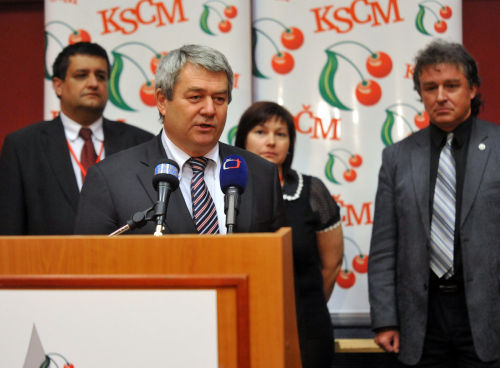
The leader of the Communist Party Vojtěch Filip, photo: Filip JandourekThe leader of the Communist Party Vojtěch Filip, photo: Filip Jandourek

The end of one-party rule was one of the slogans frequently heard at public rallies during the Velvet Revolution 26 years ago. Indeed, the Czechoslovak Parliament changed the Constitution as early as November 29, cancelling Article 4 which maintained the Communist party was “the leading power in the society and the country.”

On that day, the Communist party lost its dominant position to become just one of many political groups in the newly formed democracy. But few would guess that 26 years later, its direct successor, the Communist Party of Bohemia and Moravia, would be a stable and influential force in the Czech political system. One of the organizers of that student march on November 17, 1989, which triggered the Velvet Revolution, was Pavel Žáček.

“The situation right after November 1989 was very special. There was a general consensus that the Communist party should not be outlawed. In the early 1990s, Václav Havel was one of those who believed that after several elections, the party will naturally disappear in the foreseeable future.

“That was one of the reasons why the party was not banned. As it has turned out, however, the party has survived. It was a very serious mistake that has had a lasting impact on all political processes to date.”

In the early 1990s, there was a general belief the Communist party would gradually diminish both in size and influence. But the group remains a power to be reckoned with on local, regional and national levels.

Josef Skála, an influential Communist politician from Prague, says he knew right from the start the time for the party would come again, despite the massive flight of its members at that time.

“There were many people who left the party in 1989 and 1990 because wanted to follow their careers and spat in their own faces. There were others who left the party because they were frustrated. But there were also those who understood this was not the end of history.

Josef Skála, photo: archive of Radio PragueJosef Skála, photo: archive of Radio Prague“They knew it was a moment in history which will weigh up all the elements to be reckoned with, and that this big change, let’s say, was inevitably heading towards a big crisis. That was my conviction, and I’m somewhat proud that later developments confirmed my views.”

As its members are quick to point out, the Communist Party of Bohemia and Moravia is formally a different entity than the totalitarian Communist Party of Czechoslovakia.

The group that exists today was officially established in March 1990, during the formative years of modern Czech democracy. For many of those who stayed on, the dawn of the new era was not a time they like to remember.

Communist MP Jan Klán, who comes from a small village in central Bohemia, was in first grade in 1989. I sat down with him in his lower house office and asked him what he recalled from the Velvet Revolution.

“The change was apparent in that for one, we stopped calling teachers comrades which is what I remember vividly. I also remember the change at the post of the president immediately after November 1989 and how the president’s portraits were replaced in the classrooms.

“Looking at the first years after 1990, my mother was the head of a local communist party group – she was the only member in fact after everyone else had quit the party – I remember some things that were not that nice. For instance, people would paint gallows in front of our house, and things like that.”

In 1989, right before the collapse of the totalitarian regime, the Communist party had 1.5 million members, an incredible 10 percent of Czechoslovakia’s total population.

During and after the Velvet Revolution, there was a massive flight, just like in the group in Mr Klán’s village. In 2004, the party had over 100,000 members and the number has since dropped by half. Josef Skála again.

“There were big fears in the early 1990s that the party could be banned. As you know, there were such attempts, with legislation prohibiting a certain category of people from any sort of public jobs, and so on.

“But in the early 2000s, we were successful at the polls both in the national and the European election where we won over 20 percent of the vote in 2004. This showed that today’s Czech president Miloš Zeman was wrong in his expectation the Communist party will disappear due to a generational change. He was wrong, we were alive and well and moving ahead.”

Do you think it was a good idea to keep the name of the party, which your members agreed on, and the party didn’t transform into one a new grouping as we saw in Slovakia, Poland and Hungary?

“I’ll be honest. In the 1992 inner-party referendum, I was proposing a different name because I understood that at that time, it would take away certain pressure. The referendum said what it said and we should respect it but today, the situation is different. I’m not sure that if we changed our name today, it would help.

“Also, the parties you mentioned in other countries – they are all gone. People had big expectations from them but were disappointed. So in this respect, it‘s them who lost, not us.”

Since 1990, the Communist party’s ideology has undergone major alterations. Addressing requests to disband the party on grounds of extremism, the Czech Interior Ministry has repeatedly ascertained the Communist party does not pose a threat to democracy.

The Communists still want to achieve socialism but unlike their predecessors, they say they want to arrive there via democratic and pluralistic means. Jan Klán joined the party in 2003, and has been a communist MP since 2010.

“We see the future in socialism, in a socially-just society. The 2008 crisis showed that capitalism is not working properly, so we are searching for a system that would replace it and end the plundering of the planet and the enormous social inequality. If that does not happen, we will face worse crises than the one in 2008.”

With time, these views, along with consistent criticism of the country’s post-communist transformation and apologetic attitudes towards the 40 years of totalitarianism, have paid off.

In the general election of 2002, which followed a four-year rule of a grand coalition, the Communist party scored its best result to date. It received more than 18.5 percent of the vote, coming in third and winning 41 seats in the 200-member lower house.

Another major success, and a more recent one, came ten years later in regional elections. The party did so well that it is now part of regional government coalitions in nine out of 14 of Czech regions, and has one post of the regional governor.

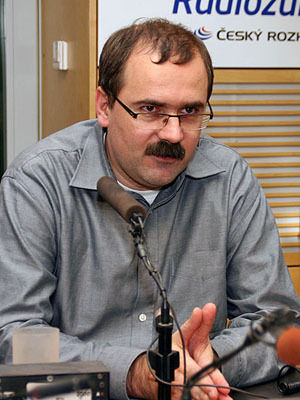
Pavel Žáček, photo: Anna DuchkováPavel Žáček, photo: Anna DuchkováPavel Žáček in 1998 became the first head of the Czech Institute for the Study of Totalitarian Regimes, a government agency researching documents from the Nazi and Communist regimes. He says the successes of the Communist party have had an adverse effect on the entire Czech political system.

“Since the 1990s until today, there has been no chance to form a left-wing coalition. So it’s not an issue of just one political party. It’s a problem for the entire political system.”

Compared with the 1990s, do you see a shift in how the Czechs view their communist past? In 2010, you were dismissed as the head of the Institute for the Study of Totalitarian Regimes in a big brawl over what it should do and how we should look at the past. Was that a symptom of the changing understanding of the past?

“It’s a symptom of a larger issue. There is a political as well as a moral point of view held by the people trying to redefine what communism was. This has to with a struggle against the post-1989 Czech establishment, and it looks like some part of our past is coming back.

“But I think it’s only temporary but we have to be active and keep explaining these issues, particularly to the young people who are a relevant force when it comes opposing today’s establishment of the Czech Republic.”

Another recurring theme in the Communist party ideology lies in the field of foreign policy. The party remains highly critical of the United States and the West in general, while being much more understanding of the policies of the Kremlin. I discussed their approach to international relations with MEP Miloslav Randsforf, the party’s shadow foreign minister.

“In Russia, there is a radical capitalist regime with many savage aspects. But demonizing Russia is also foolish. The US is not the good guy and Russia is not the bad guy. I think for instance that the [EU and US] sanctions against Russia are irrational and are directing Europe which is losing more than the United States.

But they were imposed over the annexation of Crimea and the war in Ukraine.

“There is no war in Ukraine. This war was launched by the authorities in Kiev. Over the last year, I’ve been to Ukraine on a weekly basis and I have to say that without these new arrogant attitudes of the Kiev authorities, even Crime would not make secession.

Well, Crimea did not make secession; it was occupied by Russian troops.

So if there would have been positive attitudes towards the decentralization of power on the side of Kiev, even Crimea would remain part of Ukraine. I’ve been to Crimea; nobody was prepared for the crisis and nobody was planning to secede. It was a coincidence of various factors.

Miloslav Ransdorf, photo: archive of Radio PragueMiloslav Ransdorf, photo: archive of Radio Prague“But the situation in Ukraine is desperate because it’s economically mismanaged. The prices of gas have gone up seven times, the prices of water and electricity three times, the inflation rate is 60 percent. It’s irrational. The real power was handed over not to the people and democratic structures but to oligarchs, and the oligarchs are the ruling force in Ukraine.”

Following the 2008 global financial crisis, dissatisfaction with capitalism took solid roots in Greece, Spain and other countries in Europe and elsewhere. Is this an opportunity for the Czech Communists to position themselves as leader of these “liquid” movements and win over new supporters? Josef Skála is sceptical of groups such as Greece’s Syriza and Spain’s Podemos but is certain that in the future, the Communist party will grow.

“The season for the Communist party is yet to come. The crisis of overproduction and of capital, is converting into a permanent state. You see it on a number of issues – the Greek crisis, the Ukrainian crisis, the migration wave, or the TTIP story that is a big danger of Europe and is another desperate attempt by the US to somehow solve their debt trap.

“So the period of a deep crisis is coming and all the key items will again be on the agenda. The question is whether we can tolerate and follow developments moving to an ever deeper crisis, or if there will be a new attempt, a new scenario to overcome the crisis. And I’m deeply convinced, which is a topic for a deep philosophical discussion, that Marxism has many things to about this.”

The question is, however, why should Czechs trust the Communists once again given the fact their attempt at building up a socially just society after the Second World War ended in 40 years of totalitarianism. I asked MP Jan Klán what he would say to that.

“I would tell them that was a different party. KSČM was founded in 1990. Before 1989, the socialist idea was good but the elites also became disconnected from the people. I think that if they had been more flexible, nothing would have happened in 1989 and the Communist Party of Czechoslovakia would be here today.”

The lack of modernization has worked well for the Communist party, which has been capitalizing on disenchantment with democracy and nostalgia for the past. But will this be enough for the future, or does the party need to adapt itself to the era of grassroots movements and social media campaigns? Josef Skála says he has a vision to make the Communist party a relevant force.

“Personally, I’m not very happy about the party’s capability to address the new situation which originated after the 2008 financial crisis. It looks as if we are still frozen in the period of the 1990s when it was necessary to make concessions, to be softer, and so on.

“I think the train has moved along but we have not been able to cope. That’s problem which we’ll address at next year’s party congress.

Where, as I understand, you are going to run for the chair of the party?

“Yes, there are certain rumours of this kind, yes.”

Michel Perottino, photo: archive of Charles UniversityMichel Perottino, photo: archive of Charles UniversityWhile Communist officials are happy to share optimistic visions of their future, others are more sceptical. I discussed the party’s prospects with Michel Perottino, the head of the political science department at Charles University’s Faculty of Social Sciences and a co-author of Between Mass and Cartel Party, a study of recent developments in the Czech Communist and Social Democrat parties. I began by asking him what the Communist party really stood for.

“It is in a sense a party of the past. Trying to understand why this party still exists requires a look back in the history. It is one of the ‘real’ Communist parties in Central Europe in that it was not installed by the Soviets after 1945. So from this point of view, they do have a base in the society. On the other hand, in the 1990s it was mainly a party of losers of the transition, at least politically.”

How have they developed since then? What is their attraction now?

“Partly, it’s a continuum. There are people who were in the party and they don’t have any reasons not to support it now.

“But the party has of course adapted to the new conditions. As it has not been in power, they can for instance very criticize issues such as corruption, and present themselves as not corrupt, and as an alternative for the Czech Republic.”

They also present themselves as the only left-wing opposition. How would you describe the party’s values and policies?

“First of all, they claim they are only left-wing party in the Czech Republic. They consider the Social Democrats to be centrists.

“They are mainly conservative – socially, economically in the sense that they look back to the system before 1989 and they claim the system was very effective and very positive from many points of view.

They are very different from Western communist parties because they are not a genuine workers’ party, they are not linked to the lowest class of the society. Typically for the post-communist context, it is much more a party of former bureaucrats and pensioners. They might claim they are a workers’ party but the reality is quite different.”

How do you see the party’s attitude to Russia? For decades, they were vassals to the Soviet Communists and they seem to have a soft spot for Russian policies.

“Yes, that’s certainly true to a certain extent. They are one of the last pan-Slavic organizations, and they say that we have to fix the broken ties with the East. So they are active in this respect, although perhaps less towards the former Soviet Union than towards China, Vietnam, and so on. So they are pro-Russian, but not necessarily pro-Putin.

Communist Party headquarters in Prague, photo: Anette KrausCommunist Party headquarters in Prague, photo: Anette Kraus“And another point: although they say they are an internationalist party, they have developed very nationalist and self-centred policies.”

I was going to ask you about that because at school under communism, we heard quite a bit about ‘proletarian internationalism’. What happened to that?

“It’s quite typical for every Communist party, it’s not just the case of the Czechs. It’s also very typical for Communist parties in the West which have developed very nationalist attitudes and programmes, even though they might always claim they are internationalists.

“In the Czech case, it’s also due to the fact they have not been in government and they say they know how to run the country. We can see this on the example of the ongoing migration crisis. To some extent, we could expect the Communists would be positive towards the migrants, and say they are brothers and so on. But they also see them as ‘competitors’ for ‘our people’. So it’s quite difficult for them to cope with this issue.”

One thing that has changed very little since before 1989 is the Communist party’s attitude towards the US. Is that based on pragmatism or rather on their ideology?

“I think it’s mainly ideological that they position themselves against the United States and also against NATO. This is one of the most important themes of the Communist approach to international relations.”

Is this an issue that could drum up support from some of the Czech grassroots movements that in the past vocally opposed some US policies, such as the plan to station an US radar base in the Czech Republic? Are they in a position to bring these groups together?

“I’m not sure that some of those people would want to be drafted by the Communists. The situation is complicated and very heterogeneous. The opposition against the American radar base was formed by other groups, not just by the Communist movement, and the Communists were not very successful in acquiring new supporters.

“They are very conservative and turned inwards. Also, they to a certain degree fear the new movements.”

So you don’t think we will see a revival of the Communist party along the lines of what we see in Greece or Spain where new movements critical of capitalism have emerged?

“I don’t think there are such scenarios in the Czech society. The society is not that comparable to those in Greece and Spain, it is too post-communist to accept new forms of anti-capitalist movements.

“I think the main line here is held for instance by the ANO 2011 group which has a much more right-wing concept of the society.”

How do you see the future of the Communist party? When do you think it will return to power, maybe not in terms of years but of conditions that need to be here for them to be in government?

“Right now, they are in regional governments. On the national level, they are blocked by a 1995 provision of the Social Democrats not to cooperate with them on the national level. This could change but we should not at least two aspects here

“First, I’m not sure the Communists want to play this game because being in the opposition is much more practical and efficient for them. Also, we should expect that if the Communists join government, they will disappear. That is in fact the condition for them to disappear – that they come to power and show they are the same as the others.”

Share this:

  • Tweet
  • More
Like Loading...
Newer posts →

Recent Posts

  • బ్రిక్, బ్రిక్స్, బ్రిక్స్ ప్లస్.. అమెరికా ఆధిపత్యానికి ప్రతిఘటన!
  • ఏఐ డేటా సెంటర్లు.. అభివృద్ధి పేరుతో పర్యావరణ ముప్పు
  • భగవత్‌ సుభాషితాలు – ఆచరణలో విరుద్ధతలు!
  • పనిచేయని మోడినోమిక్స్, భారతీయ విజ్ఞానం, చంద్రబాబు, పవన్ కల్యాణ్ భజనలు వృధా – ప్రపంచ ఫ్యాక్టరీగా చైనా మరింత ముందుకు !
  • ఆర్థిక వృద్ధి కంటే అసమానతల పెరుగుదలే ఎక్కువ!

Recent Comments

SIVARAMAKRISHNA Gunturu's avatarSIVARAMAKRISHNA Gunt… on రాముడి సొమ్ము స్వాహా దర్యాప్తు…
Venugopalrao Nagumothu's avatarVenugopalrao Nagumot… on అసంబద్ద వాదనలు, అడ్డగోలు మాటలు…
Sk mahesh gupta's avatarSk mahesh gupta on శనగ రైతుల సంక్షోభం
pscknr's avatarpscknr on ఆడంతే నమ్మక ద్రోహి అన్న ఇరాన్‌…
pscknr's avatarpscknr on చైనాతో వాణిజ్యంపై ఆందోళన…

Archives

  • September 2026
  • August 2026
  • July 2026
  • June 2026
  • May 2026
  • April 2026
  • March 2026
  • February 2026
  • January 2026
  • December 2025
  • November 2025
  • October 2025
  • September 2025
  • August 2025
  • July 2025
  • June 2025
  • May 2025
  • April 2025
  • March 2025
  • February 2025
  • January 2025
  • December 2024
  • November 2024
  • October 2024
  • September 2024
  • August 2024
  • July 2024
  • June 2024
  • May 2024
  • April 2024
  • March 2024
  • February 2024
  • January 2024
  • December 2023
  • November 2023
  • October 2023
  • September 2023
  • August 2023
  • July 2023
  • June 2023
  • May 2023
  • April 2023
  • March 2023
  • February 2023
  • January 2023
  • December 2022
  • November 2022
  • October 2022
  • September 2022
  • August 2022
  • July 2022
  • June 2022
  • May 2022
  • April 2022
  • March 2022
  • February 2022
  • January 2022
  • December 2021
  • November 2021
  • October 2021
  • September 2021
  • August 2021
  • July 2021
  • June 2021
  • May 2021
  • April 2021
  • March 2021
  • February 2021
  • January 2021
  • December 2020
  • November 2020
  • October 2020
  • September 2020
  • August 2020
  • July 2020
  • June 2020
  • May 2020
  • April 2020
  • March 2020
  • February 2020
  • January 2020
  • December 2019
  • November 2019
  • October 2019
  • September 2019
  • August 2019
  • July 2019
  • June 2019
  • May 2019
  • April 2019
  • March 2019
  • February 2019
  • January 2019
  • December 2018
  • November 2018
  • October 2018
  • September 2018
  • August 2018
  • July 2018
  • June 2018
  • May 2018
  • April 2018
  • March 2018
  • February 2018
  • January 2018
  • December 2017
  • November 2017
  • October 2017
  • September 2017
  • August 2017
  • July 2017
  • June 2017
  • May 2017
  • April 2017
  • March 2017
  • February 2017
  • January 2017
  • December 2016
  • November 2016
  • October 2016
  • September 2016
  • August 2016
  • July 2016
  • June 2016
  • May 2016
  • April 2016
  • March 2016
  • February 2016
  • January 2016
  • December 2015
  • November 2015
  • October 2015

Categories

  • Africa
  • AP
  • AP NEWS
  • Asia
  • BJP
  • BRS
  • CHINA
  • Communalism
  • Congress
  • COUNTRIES
  • CPI(M)
  • Current Affairs
  • Economics
  • Education
  • employees
  • Environment
  • Europe
  • Farmers
  • Filims
  • Germany
  • Greek
  • Gujarat
  • Health
  • History
  • imperialism
  • INDIA
  • International
  • INTERNATIONAL NEWS
  • Japan
  • Latin America
  • Left politics
  • Literature.
  • Loksabha Elections
  • NATIONAL NEWS
  • Opinion
  • Others
  • Pensioners
  • Political Parties
  • Politics
  • Prices
  • Readers News Service
  • RELIGION
  • Religious Intolarence
  • RUSSIA
  • Science
  • Social Inclusion
  • Sports
  • STATES NEWS
  • tdp
  • TDP
  • Telangana
  • Telugu
  • UK
  • Uncategorized
  • USA
  • WAR
  • Women
  • Women
  • Ycp

Meta

  • Create account
  • Log in
  • Entries feed
  • Comments feed
  • WordPress.com

Recent Posts

  • బ్రిక్, బ్రిక్స్, బ్రిక్స్ ప్లస్.. అమెరికా ఆధిపత్యానికి ప్రతిఘటన!
  • ఏఐ డేటా సెంటర్లు.. అభివృద్ధి పేరుతో పర్యావరణ ముప్పు
  • భగవత్‌ సుభాషితాలు – ఆచరణలో విరుద్ధతలు!
  • పనిచేయని మోడినోమిక్స్, భారతీయ విజ్ఞానం, చంద్రబాబు, పవన్ కల్యాణ్ భజనలు వృధా – ప్రపంచ ఫ్యాక్టరీగా చైనా మరింత ముందుకు !
  • ఆర్థిక వృద్ధి కంటే అసమానతల పెరుగుదలే ఎక్కువ!

Recent Comments

SIVARAMAKRISHNA Gunturu's avatarSIVARAMAKRISHNA Gunt… on రాముడి సొమ్ము స్వాహా దర్యాప్తు…
Venugopalrao Nagumothu's avatarVenugopalrao Nagumot… on అసంబద్ద వాదనలు, అడ్డగోలు మాటలు…
Sk mahesh gupta's avatarSk mahesh gupta on శనగ రైతుల సంక్షోభం
pscknr's avatarpscknr on ఆడంతే నమ్మక ద్రోహి అన్న ఇరాన్‌…
pscknr's avatarpscknr on చైనాతో వాణిజ్యంపై ఆందోళన…

Archives

  • September 2026
  • August 2026
  • July 2026
  • June 2026
  • May 2026
  • April 2026
  • March 2026
  • February 2026
  • January 2026
  • December 2025
  • November 2025
  • October 2025
  • September 2025
  • August 2025
  • July 2025
  • June 2025
  • May 2025
  • April 2025
  • March 2025
  • February 2025
  • January 2025
  • December 2024
  • November 2024
  • October 2024
  • September 2024
  • August 2024
  • July 2024
  • June 2024
  • May 2024
  • April 2024
  • March 2024
  • February 2024
  • January 2024
  • December 2023
  • November 2023
  • October 2023
  • September 2023
  • August 2023
  • July 2023
  • June 2023
  • May 2023
  • April 2023
  • March 2023
  • February 2023
  • January 2023
  • December 2022
  • November 2022
  • October 2022
  • September 2022
  • August 2022
  • July 2022
  • June 2022
  • May 2022
  • April 2022
  • March 2022
  • February 2022
  • January 2022
  • December 2021
  • November 2021
  • October 2021
  • September 2021
  • August 2021
  • July 2021
  • June 2021
  • May 2021
  • April 2021
  • March 2021
  • February 2021
  • January 2021
  • December 2020
  • November 2020
  • October 2020
  • September 2020
  • August 2020
  • July 2020
  • June 2020
  • May 2020
  • April 2020
  • March 2020
  • February 2020
  • January 2020
  • December 2019
  • November 2019
  • October 2019
  • September 2019
  • August 2019
  • July 2019
  • June 2019
  • May 2019
  • April 2019
  • March 2019
  • February 2019
  • January 2019
  • December 2018
  • November 2018
  • October 2018
  • September 2018
  • August 2018
  • July 2018
  • June 2018
  • May 2018
  • April 2018
  • March 2018
  • February 2018
  • January 2018
  • December 2017
  • November 2017
  • October 2017
  • September 2017
  • August 2017
  • July 2017
  • June 2017
  • May 2017
  • April 2017
  • March 2017
  • February 2017
  • January 2017
  • December 2016
  • November 2016
  • October 2016
  • September 2016
  • August 2016
  • July 2016
  • June 2016
  • May 2016
  • April 2016
  • March 2016
  • February 2016
  • January 2016
  • December 2015
  • November 2015
  • October 2015

Categories

  • Africa
  • AP
  • AP NEWS
  • Asia
  • BJP
  • BRS
  • CHINA
  • Communalism
  • Congress
  • COUNTRIES
  • CPI(M)
  • Current Affairs
  • Economics
  • Education
  • employees
  • Environment
  • Europe
  • Farmers
  • Filims
  • Germany
  • Greek
  • Gujarat
  • Health
  • History
  • imperialism
  • INDIA
  • International
  • INTERNATIONAL NEWS
  • Japan
  • Latin America
  • Left politics
  • Literature.
  • Loksabha Elections
  • NATIONAL NEWS
  • Opinion
  • Others
  • Pensioners
  • Political Parties
  • Politics
  • Prices
  • Readers News Service
  • RELIGION
  • Religious Intolarence
  • RUSSIA
  • Science
  • Social Inclusion
  • Sports
  • STATES NEWS
  • tdp
  • TDP
  • Telangana
  • Telugu
  • UK
  • Uncategorized
  • USA
  • WAR
  • Women
  • Women
  • Ycp

Meta

  • Create account
  • Log in
  • Entries feed
  • Comments feed
  • WordPress.com

Social

  • View mannem.koteswararao’s profile on Facebook
  • View mannemkoteswara’s profile on Twitter

Recent Posts

  • బ్రిక్, బ్రిక్స్, బ్రిక్స్ ప్లస్.. అమెరికా ఆధిపత్యానికి ప్రతిఘటన!
  • ఏఐ డేటా సెంటర్లు.. అభివృద్ధి పేరుతో పర్యావరణ ముప్పు
  • భగవత్‌ సుభాషితాలు – ఆచరణలో విరుద్ధతలు!
  • పనిచేయని మోడినోమిక్స్, భారతీయ విజ్ఞానం, చంద్రబాబు, పవన్ కల్యాణ్ భజనలు వృధా – ప్రపంచ ఫ్యాక్టరీగా చైనా మరింత ముందుకు !
  • ఆర్థిక వృద్ధి కంటే అసమానతల పెరుగుదలే ఎక్కువ!

Recent Comments

SIVARAMAKRISHNA Gunturu's avatarSIVARAMAKRISHNA Gunt… on రాముడి సొమ్ము స్వాహా దర్యాప్తు…
Venugopalrao Nagumothu's avatarVenugopalrao Nagumot… on అసంబద్ద వాదనలు, అడ్డగోలు మాటలు…
Sk mahesh gupta's avatarSk mahesh gupta on శనగ రైతుల సంక్షోభం
pscknr's avatarpscknr on ఆడంతే నమ్మక ద్రోహి అన్న ఇరాన్‌…
pscknr's avatarpscknr on చైనాతో వాణిజ్యంపై ఆందోళన…

Archives

  • September 2026
  • August 2026
  • July 2026
  • June 2026
  • May 2026
  • April 2026
  • March 2026
  • February 2026
  • January 2026
  • December 2025
  • November 2025
  • October 2025
  • September 2025
  • August 2025
  • July 2025
  • June 2025
  • May 2025
  • April 2025
  • March 2025
  • February 2025
  • January 2025
  • December 2024
  • November 2024
  • October 2024
  • September 2024
  • August 2024
  • July 2024
  • June 2024
  • May 2024
  • April 2024
  • March 2024
  • February 2024
  • January 2024
  • December 2023
  • November 2023
  • October 2023
  • September 2023
  • August 2023
  • July 2023
  • June 2023
  • May 2023
  • April 2023
  • March 2023
  • February 2023
  • January 2023
  • December 2022
  • November 2022
  • October 2022
  • September 2022
  • August 2022
  • July 2022
  • June 2022
  • May 2022
  • April 2022
  • March 2022
  • February 2022
  • January 2022
  • December 2021
  • November 2021
  • October 2021
  • September 2021
  • August 2021
  • July 2021
  • June 2021
  • May 2021
  • April 2021
  • March 2021
  • February 2021
  • January 2021
  • December 2020
  • November 2020
  • October 2020
  • September 2020
  • August 2020
  • July 2020
  • June 2020
  • May 2020
  • April 2020
  • March 2020
  • February 2020
  • January 2020
  • December 2019
  • November 2019
  • October 2019
  • September 2019
  • August 2019
  • July 2019
  • June 2019
  • May 2019
  • April 2019
  • March 2019
  • February 2019
  • January 2019
  • December 2018
  • November 2018
  • October 2018
  • September 2018
  • August 2018
  • July 2018
  • June 2018
  • May 2018
  • April 2018
  • March 2018
  • February 2018
  • January 2018
  • December 2017
  • November 2017
  • October 2017
  • September 2017
  • August 2017
  • July 2017
  • June 2017
  • May 2017
  • April 2017
  • March 2017
  • February 2017
  • January 2017
  • December 2016
  • November 2016
  • October 2016
  • September 2016
  • August 2016
  • July 2016
  • June 2016
  • May 2016
  • April 2016
  • March 2016
  • February 2016
  • January 2016
  • December 2015
  • November 2015
  • October 2015

Categories

  • Africa
  • AP
  • AP NEWS
  • Asia
  • BJP
  • BRS
  • CHINA
  • Communalism
  • Congress
  • COUNTRIES
  • CPI(M)
  • Current Affairs
  • Economics
  • Education
  • employees
  • Environment
  • Europe
  • Farmers
  • Filims
  • Germany
  • Greek
  • Gujarat
  • Health
  • History
  • imperialism
  • INDIA
  • International
  • INTERNATIONAL NEWS
  • Japan
  • Latin America
  • Left politics
  • Literature.
  • Loksabha Elections
  • NATIONAL NEWS
  • Opinion
  • Others
  • Pensioners
  • Political Parties
  • Politics
  • Prices
  • Readers News Service
  • RELIGION
  • Religious Intolarence
  • RUSSIA
  • Science
  • Social Inclusion
  • Sports
  • STATES NEWS
  • tdp
  • TDP
  • Telangana
  • Telugu
  • UK
  • Uncategorized
  • USA
  • WAR
  • Women
  • Women
  • Ycp

Meta

  • Create account
  • Log in
  • Entries feed
  • Comments feed
  • WordPress.com

Create a free website or blog at WordPress.com.

Privacy & Cookies: This site uses cookies. By continuing to use this website, you agree to their use.
To find out more, including how to control cookies, see here: Cookie Policy
  • Subscribe Subscribed
    • vedika
    • Join 240 other subscribers
    • Already have a WordPress.com account? Log in now.
    • vedika
    • Subscribe Subscribed
    • Sign up
    • Log in
    • Report this content
    • View site in Reader
    • Manage subscriptions
    • Collapse this bar
%d