• About
  • Farmers

vedika

~ your forum for critical and constructive writings

vedika

Category Archives: USA

ఎన్‌ఎస్‌జి వైఫల్యం ఎవరి ఖాతాకు ? ప్రధాన మంత్రా ! నరేంద్రమోడీనా !

28 Tuesday Jun 2016

Posted by raomk in BJP, CHINA, Current Affairs, INDIA, INTERNATIONAL NEWS, NATIONAL NEWS, Opinion, RUSSIA, USA

≈ Leave a comment

Tags

Narendra Modi, npt, nsg, NSG china, NSG Failure, NSG INDIA

  అసలు అణు సరఫరా బృందం ఏమిటి ? అది ఎందుకు, ఎప్పుడు ఏర్పడింది? దానిలో భారత్‌ సభ్యత్వం పొందటానికి అమెరికా వంటి దేశాలు ఎందుకు సరే అంటున్నాయి, చైనా మరికొన్ని దేశాలు నిబంధనల అమలు గురించి ఎందుకు పట్టుబడుతున్నాయి? మనకు సభ్యత్వం వస్తుందా ? మన అణు కార్యక్రమానికి ఎవరు వ్యతిరేకులు వంటి అనేక ప్రశ్నలు రావటం సహజం.

ఎం కోటేశ్వరరావు

     ఎత్తుగడ, వ్యూహం ఏదైనా వుందా, లేక కొందరు అంటున్నట్లు దుర్బుద్ధి లేకపోవచ్చు, కారణం ఏదైనా కేంద్ర ప్రభుత్వం ప్రకటించే పధకాల పేర్లన్నింటికీ ముందు ‘ప్రధాని’ అని తగిలిస్తున్నారు. ఆ పధకం సఫలమైనా, విఫలమైనా ప్రధానికే ఆ పేరు దక్కుతుంది. ప్రధాని ఎవరంటే నరేంద్ర మోడీ అన్న సులభ తర్కం సామాన్యులకు కూడా తెలుసనుకున్నారేమో వ్యూహకర్తలు. ఇప్పుడు అణు సరఫరా బృందం(ఎన్‌ఎస్‌జి)లో సభ్యత్వం పొందటంలో భారత్‌ ఘోరవైఫల్యం చెందింది అన్న తీవ్ర విమర్శలు ఎక్కువగా వచ్చాయి. అవి ప్రతిపక్షం నుంచేగాక స్వపక్షం, ఏ పక్షానికి చెందినవారి నుంచి కూడా వున్నాయి. ఈ లెక్కన ఈ వైఫల్యాన్ని ఎవరి ఖాతాలో వేయాలి? ప్రధాన మంత్రా, నరేంద్రమోడీనా ?

     నరేంద్రమోడీ గద్దె నెక్కిన రెండు సంవత్సరాల తరువాత ప్రభుత్వ విదేశాంగ విధానం కారణంగా అంతకు ముందుతో పోలిస్తే ప్రపంచంలో భారత్‌ స్ధానంలో మార్పు స్పష్టంగా చూడవచ్చని బిజెపి ప్రతినిధి నలిన్‌ కోహ్లి ప్రకటించారు. ఒక్క విదేశాంగ విధానంలోనే కాదు అన్ని రంగాలలో స్పష్టమైన మార్పుంన్నారు.ఎన్‌ఎస్‌జిలో భారత్‌కు ఎప్పుడు సభ్యత్వం వస్తుందనేదే మౌలిక సమస్య అని కూడా ఆయన చెప్పారు. పుణ్యం చేసిన వారికి మాత్రమే రాజుగారు వేసుకున్న దేవతా వస్త్రాలు కనిపిస్తాయి మిగతావారికి మరేవో కనిపిస్తాయన్న కధ మాదిరి వుందని ఎవరైనా భావిస్తే అది వేరే విషయం. మోడీ ప్రభుత్వ విదేశాంగ విధాన వైఫల్యం గురించి బిజెపి నేత, వాజ్‌పేయి మంత్రివర్గంలో విదేశాంగ మంత్రిగా పనిచేసిన యశ్వంత సిన్హా చేసిన విమర్శలను కోహ్లీ తోసి పుచ్చారు. అణుసరఫరా బృందంలో సభ్యత్వం ఇవ్వాలనే దరఖాస్తుతో మనం వారి దగ్గరకు వెళ్ల కూడదని, మనకు ఇస్తామన్నది ద్వితీయ శ్రేణి ప్రాతినిధ్యం అంటూ అసలు దానిని మనం అంగీకరించకూడదంటూ ఇప్పటికే భారత్‌ పొందాల్సిందేదో పొందిందని యశ్వంత సిన్హా చెప్పారు. పాకిస్థాన్‌తో ఎలాంటి చర్చలు జరపకూడదని, మన దౌత్య గుడ్లన్నింటినీ అమెరికా బుట్టలో పెట్టకూడదని కూడా సిన్హా వ్యాఖ్యానించటం విశేషం.

   ఎన్‌ఎస్‌జి సభ్యత్వ విషయంలో మోడీ ప్రభుత్వం మరింత మెరుగ్గా సంప్రదింపులు జరిపి వుండాల్సిందని అణుశక్తి సంస్ధ మాజీ అధ్యక్షుడు ఎంఆర్‌ శ్రీనివాసన్‌ వ్యాఖ్యానించారు. ఆ సంస్ధలో వ్యతిరేకతను వ్యక్తం చేసే వారి బహిరంగ వైఖరి తెలిసిందేనని, అణ్వస్త్ర వ్యాప్తి నిరోధక ఒప్పందం(ఎన్‌పిటి)పై సంతకం చేసిన వారికే సభ్యత్వం ఇవ్వాలన్న చైనాతో పాటు అసలు అణుశక్తిపై ఏమాత్రం ఆధారపడనివి కూడా ఆ సంస్ధలో సభ్యులుగా వున్నాయని చెప్పారు. ఈ బృందంలో ఒక్క చైనా తప్ప మిగతా దేశాలన్నీ సానుకూలంగా వున్నందున చైనా దిగిరాక తప్పదని ఎక్కువగా ఆశలు పెట్టుకున్నట్లున్నదని శ్రీనివాసన్‌ వ్యాఖ్యానించారు. పేకాటలో మన తురుపు ముక్కలను ఎదుటివారికి చూపి చెత్త ఆట ఆడినట్లుగా వుందన్నారు. అణ్వస్త్రవ్యాప్తి నిరోధం విషయంలో మన ఎగుమతుల అదుపు, అణు రక్షణ చర్యలు తిరుగులేనివి అయినప్పటికీ సభ్య దేశాలను ఎంతో ముందుగానే ఒప్పించి వుండాల్సిందని, సభ్యత్వం లేకపోతే సమీప భవిష్యత్‌లో మన పౌర అణుశక్తి కార్యక్రమాలకు ఎలాంటి ఇబ్బంది వుండదంటూ, 2008లో ఒక దఫాకు పొందిన మినహాయింపుల కారణంగా అమెరికా, రష్యా, ఫ్రాన్స్‌,కజకస్తాన్‌, ఆస్ట్రేలియా వంటి అణు సరఫరా దేశాలతో విజయవంతంగా ఒప్పందాలు చేసుకున్నామని శ్రీనివాసన్‌ చెప్పారు.

    అసలు అణు సరఫరా బృందం ఏమిటి ? అది ఎందుకు, ఎప్పుడు ఏర్పడింది? దానిలో భారత్‌ సభ్యత్వం పొందటానికి అమెరికా వంటి దేశాలు ఎందుకు సరే అంటున్నాయి, చైనా మరికొన్ని దేశాలు నిబంధనల అమలు గురించి ఎందుకు పట్టుబడుతున్నాయి? మనకు సభ్యత్వం వస్తుందా ? మన అణు కార్యక్రమానికి ఎవరు వ్యతిరేకులు వంటి అనేక ప్రశ్నలు రావటం సహజం.

     1974 మే 18వ తేదీన రాజస్థాన్‌లోని పోఖ్రాన్‌ వద్ద మన దేశం తొలి అణుపరీక్ష జరిపింది. దీంతో ప్రపంచం ఒక్కసారిగా వులిక్కి పడింది. కట్టె కొట్టే తెచ్చే అన్నట్లుగా చెప్పుకోవాలంటే రెండవ ప్రపంచ యుద్ధం చివరి రోజుల్లో జపాన్‌ లొంగిపోయి చేతులెత్తేసిన స్ధితిలో హిరోషిమా, నాగసాకి నగరాలపై అమెరికన్లు అణు బాంబులను వేసి ప్రపంచాన్ని బెదిరించారు. దాంతో అనేక దేశాలు తాము కూడా అణ్వాయుధాలను సమకూర్చుకొనేందుకు ప్రయత్నాలు ప్రారంభించాయి. దీంతో 1958లో ఐర్లండ్‌ అణ్వస్త్ర వ్యాప్తి నిరోధక ఒప్పందాన్ని ప్రతిపాదించింది. పది సంవత్సరాల తరువాత 1968లో దానిని అంగీకరించిన దేశాలు సంతకాలు చేయటం ప్రారంభించాయి. వాటిలో నాటి సోవియట్‌ యూనియన్‌, అమెరికా, బ్రిటన్‌, అసలు అణుకార్యక్రమంలేని అనేక దేశాలు వున్నాయి. చైనా, ఫ్రాన్స్‌ 1992లో మాత్రమే సంతకాలు చేశాయి. అణుకార్యక్రమం కలిగి వుండి అణ్వాయుధ పరీక్షలు చేసిన దేశాలు ఇవి. అయితే ఈ ఒప్పందంపై సంతకాలు చేసే సమయానికి అనేక దేశాలు అణుకార్యక్రమాన్ని కలిగి వున్నాయి. అణువిద్యుత్‌ కేంద్రాలు కలిగిన ప్రతి దేశం వద్ద అణ్వస్త్రాలు తయారు చేయగలిగిన పరిజ్ఞానం వుంటుందన్నది ఒక గట్టి నమ్మకం. అణుపరీక్షలు జరిపి ఈ ఒప్పందంలో చేరని దేశాలు పాకిస్థాన్‌, భారత్‌ మాత్రమే. వుత్తర కొరియా పరీక్షలు జరిపింది, ఒప్పందంపై సంతకాలు చేసింది. అయితే అమెరికా తమతో చేసుకున్న ఒప్పందాన్ని సక్రమంగా అమలు జరపలేదనే కారణంతో అది ఒప్పందం నుంచి వైదొలగింది. ఇజ్రాయెల్‌ వద్ద కూడా అణుపరిజ్ఞానం వుంది, దీనితో పాటు దక్షిణ సూడాన్‌ ఎన్‌పిటిపై సంతకాలు చేయలేదు.

     1974లో మన దేశం జరిపిన అణుపరీక్షతో అణు సరఫరాలపై ఆంక్షలు విధించాలనే ఆలోచన తలెత్తింది. దాంతో 1975 నవంబరులో లండన్‌ కేంద్రంగా పలు దేశాలు చర్చలు ప్రారంభించి 1978నాటికి ఒప్పందానికి వచ్చాయి. అణ్వస్త్ర వ్యాప్తి నిరోధక ఒప్పందంపై సంతకాలు చేయని దేశాలకు అణు సరఫరాలు, సాంకేతిక పరిజ్ఞానాన్ని అందచేయరాదన్నది దానిలోని కీలక షరతు. అయితే ఎన్‌పిటి వునికిలోకి రాకముందే మన దేశానికి కెనడా, అమెరికా అణుసరఫరాలు చేశాయి. 1962లో చైనాతో సరిహద్దు వివాదం తరువాత మన దేశంలో అణుకార్యక్రమం ముమ్మరమైంది. 1968,69 సంవత్సరాలలో మన శాస్త్రవేత్తలు సోవియట్‌ యూనియన్‌లోని అణు కేంద్రాలను సందర్శించి వచ్చారు. తరువాత 1971లో పాకిస్థాన్‌తో యుద్ధం,బంగ్లాదేశ్‌ విముక్తికి పూర్తి తోడ్పాటు ఇచ్చిన కారణంగా మన దేశాన్ని బెదిరించేందుకు అమెరికా తన నౌకా దళంలోని యుఎస్‌ఎస్‌ ఎంటర్‌ప్రైజెస్‌ అనే యుద్ధ నౌకను బంగాళాఖాతంలోకి పంపింది. దాంతో మన దేశం సోవియట్‌ యూనియన్‌తో రక్షణ ఒప్పందం చేసుకొని అమెరికా బెదిరింపులను అడ్డుకుంది. అదే సమయంలో నాటి ప్రధాని ఇందిరా గాంధీ అణ్వస్త్ర పరీక్ష జరపాలని మన శాస్త్రవేత్తలను ఆదేశించారు. దాని ఫలితమే 1974లో తొలి పరీక్ష. మన పరీక్షలో వుపయోగించిన ప్లుటోనియం అంతకు ముందు మనకు కెనడా అందచేసిన సైరస్‌ రియాక్టర్‌లో అమెరికా నుంచి దిగుమతి చేసుకున్న భార జలాన్ని వుపయోగించి తయారు చేసింది. దాంతో ఆ రెండు దేశాలు మన పరీక్ష పట్ల వ్యతిరేకంగా స్పందించాయి. మనలను అభినందిస్తూ ప్రాన్స్‌ తొలుత టెలిగ్రాం పంపి తరువాత వుపసంహరించుకుంది. మనదేశం జరిపిన పరీక్షను అణు బ్లాక్‌మెయిల్‌గా పాకిస్థాన్‌ పరిగణించి తరువాత తన కార్యక్రమాన్ని ముమ్మరం చేసి చివరకు పరీక్ష చేసింది. మన పరీక్ష తరువాత తారాపూర్‌ అణువిద్యుత్‌ కేంద్రానికి భార జలసరఫరాలో ఇబ్బందులు పెట్టటం, రెండవసారి వాజ్‌పేయి ప్రధానిగా వుండగా మనం రెండవ పరీక్ష జరిపినపుడు అమెరికా మనపై ఆంక్షలు విధించటం వంటి విషయాలన్నీ తెలిసినవే.

    సోవియట్‌ యూనియన్‌ కూలిపోయిన తరువాత క్రమంగా మన దేశ విదేశాంగ విధానంలో చోటు చేసుకున్న మార్పులతో అమెరికాకు జూనియర్‌ భాగస్వాములుగా చేరి లబ్దిపొందాలని మన పాలకవర్గం నిర్ణయించింది. దాని ఫలితమే అమెరికన్లు మనపై ఆంక్షల ఎత్తివేత, యుపిఏ ప్రభుత్వం అమెరికాతో మనకు హానికరమైన ఒప్పందం కుదుర్చుకోవటం, దానిని వ్యతిరేకించిన వామపక్షాలు యుపిఏకు మద్దతు వుపసంహరించుకున్నాయి. వ్యతిరేకించిన బిజెపి ఒప్పంద ఆమోదానికి సహకరించటమే కాదు, ఇప్పుడు అది మరింత గట్టిగా అమలు జరిపేందుకు పూనుకుంది, అనేక రంగాలలో మరింత దగ్గరైంది. గతంలో మనపై ఆంక్షలు విధిస్తూ అమెరికన్‌ పార్లమెంట్‌ తీర్మానించింది. మన ప్రభుత్వం అమెరికాకు లబ్ది కలిగించే అణు ఒప్పందం చేసుకొనేందుకు సిద్ధం కావటంతో 2006 దానిని సవరించింది.అంతటితో ఆగలేదు, భారత్‌కు ఒకసారికి అణు సరఫరాలకు మినహాయింపు ఇవ్వాలని స్వయంగా మిగతా దేశాలతో లాబీయింగ్‌ జరిపి 2008లో ఆమేరకు ఎన్‌ఎస్‌జిలో ఆమోదముద్ర వేయించింది. తరువాత ఒప్పందం చేసుకుంది. దాని ప్రకారం రాబోయే రోజులలో కూడా అణుసరఫరాలు జరపవచ్చు. మన దేశం మరికొన్ని దేశాలతో కూడా ఒప్పందం చేసుకుంది. ఆ దేశాలన్నీ ఎన్‌ఎస్‌జిలో భారత్‌ సభ్యత్వానికి మద్దతు ఇస్తామని ఎప్పటి నుంచో చెబుతున్నాయి. ఒకసారి భారత్‌ సభ్యురాలైన తరువాత ఆ మినహాయింపులను రద్దు చేయటానికి అవకాశం వుండదు. వుదాహరణకు 2010లోనే బరాక్‌ ఒబామా మన దేశ పర్యటనలో మద్దతు గురించి చెప్పారు. అదే ఏడాదిఫ్రెంచి అధ్యక్షుడు సర్కోజీ కూడా అదే చెప్పాడు. రష్యా కూడా కొన్ని షరతులతో మద్దతు ప్రకటించింది.నరేంద్రమోడీ ప్రధాని అనే అంశం వూహా మాత్రంగా లేనపుడే ఇవన్నీ జరిగాయి. అయినప్పటికీ ఈ రెండు సంవత్సరాలలో మా మోడీయే ఇదంతా చేశారని భక్తులు ఎవరైనా చెప్పుకుంటే చేయగలిగిందేమీ లేదు. మెయ్యబోతే ఎద్దుల్లో దున్నబోతే దూడల్లో అన్నట్లు కాకుండా సభ్యత్వానికి రంగం సిద్ధం చేశారని గొప్పలు చెప్పుకోవటమే కాదు, వైఫల్యానికి కూడా బాధ్యత వహించాలి. శ్రీనివాసన్‌ చెప్పినట్లు చైనా, మరికొన్ని దేశాల వైఖరి మోడీ కంటే ముందే ప్రపంచానికి సువిదతం. మనకు సభ్యత్వం రాకుండా అడ్డుకుందని ఆరోపణలకు గురైన చైనా ఎన్‌ఎస్‌జిలో చేరింది 2004లోనే, అంతకు ముందు మనకు ఎందుకు సభ్యత్వం తెచ్చుకోలేకపోయాం అని కూడా ఆలోచించాలి. ఓడలో వున్నంత వరకు ఓడ మల్లయ్య దిగిన తరువాత బోడి మల్లయ్య అన్నట్లు 2008లో తనకు అవసరం గనుక మనకు మినహాయింపులు రావటానికి అమెరికా తన శక్తి మొత్తాన్ని వినియోగించింది. ఇప్పుడు అలాంటి ప్రయత్నం దానివైపు నుంచి రాలేదు, మేం సిద్దం మిగతా అందరి మద్దతు మీరే కూడగట్టుకోండి, మేం ఓటింగ్‌ సమయంలో మాత్రమే వస్తాం అన్నట్లుగా వుంది. కాగల కార్యం గంధర్వులు తీర్చినట్లుగా ఒక వేళ చైనా, ఇతర దేశాలు అంగీకరిస్తే అది తమ ఘనతే అని చెప్పుకొనేందుకు లేకపోతే వారే కారణం అంటూ మనలో చైనా వ్యతిరేకతను రెచ్చగొట్టేందుకు ఈ అవకాశాన్ని అమెరికా వినియోగించుకుంది.తమ ప్రధాని భారత్‌కు సభ్యత్వం ఇవ్వరాదని 17దేశాలకు లేఖలు రాసిన కారణంగానే రాలేదని పాక్‌ ప్రధాని సలహాదారు సర్తాజ్‌ అజీజ్‌ పేర్కొన్నారు.చైనాతో పాటు అభ్యంతరం తెలిపిన వాటిలో బ్రెజిల్‌, టర్కీ, దక్షిణాఫ్రికా, స్విడ్జర్లాండ్‌, మెక్సికో కూడా వున్నాయి. ఇవేమీ చిన్నా చితకా దేశాలు కాదు, మనతో శతృత్వం వున్నవీ కాదు.

   పోనీ నరేంద్రమోడీ అంతా రంగం సిద్దం చేస్తే చివరి క్షణంలో చైనా, మరికొన్ని దేశాలు అడ్డుపడ్డాయనుకుందాం. వాటిని ఒప్పించేందుకు మోడీ ఎందుకు ప్రయత్నించలేదు, ప్రయత్నిస్తే ఈ భంగపాటు ఎందుకు కలిగేది, లేదా ముందే తెలిసి వుంటే దాదాపు సభ్యత్వం వచ్చినట్లే అనే హంగామా ఎందుకు సృష్టించారు.లేదా యశ్వంత సిన్హా చెప్పినట్లు సలహాదారులు తప్పుదారి పట్టించారా? దేశానికి మోడీ లేదా ఆయన మద్దతుదార్లు వివరించాలి.

    సియోల్‌ సమావేశంలో చైనా అడ్డుకుంది గనుక కొద్దిలో తప్పిందిగానీ తదుపరి మనకు రావటం ఖాయం అన్న పద్దతుల్లో మన ప్రభుత్వం ఇప్పుడు వుంది. నిజానికి ఆ సమావేశంలో అసలు మన సభ్యత్వం అజెండాలోనే లేదు. భారత దరఖాస్తు గురించి చర్చించరాదని చైనా అభ్యంతర పెట్టింది, మరో ఏడు దేశాలు పాకిస్తాన్‌ కూడా దరఖాస్తు చేసుకుంది దానిపట్ల ఎటువంటి వైఖరి తీసుకోవాలి,ఎన్‌పిటిపై సంతకం చేయని దేశాల పట్ల అనుసరించాల్సిన వైఖరి ఏమిటనే మౌలిక సమస్యలను లేవనెత్తాయి. దీంతో చివరకు ఎలాంటి నిర్ణయం జరగకూడదనే షరతుతో భారత దరఖాస్తును అజెండాలో చేర్చేందుకు చైనా, మిగతా దేశాలు అంగీకరించినట్లు వార్తలు వచ్చాయి. ఇది జరిగింది కనుక తదుపరి సభ్యత్వం రావటమే తరువాయి అన్న అభిప్రాయాన్ని కలిగిస్తున్నారు.

    నాలుక నాది కాదు కనుక తాటి పట్టెతో గీసుకోమన్నట్లుగా చైనా వైఖరి తెలిసి వుండి కూడా మన దేశాన్ని అమెరికా ముందుకు నెట్టిందా ? అంతర్జాతీయ రాజకీయాలు అందునా ఇరుగు పొరుగుదేశాలతో సమస్యలు వున్నపుడు ఎలా వ్యవహరించాలో, ఎన్‌పిటిపై సంతకం చేయని దేశానికి సభ్యత్వం ఇవ్వకూడదనే నిబంధన అమలులో వుండగా మన దేశానికి లేదా పాకిస్థాన్‌కు రెండు దేశాలకు ఇవ్వటంలో వున్న సంక్లిష్టతలను మన విధాన నిర్ణేతలు పరిగణనలోకి తీసుకోలేదా ? లేదా అమెరికా వంటి దేశాలు మద్దతు ఇచ్చిన తరువాత నల్లేరు మీద బండి మాదిరి అందరూ దారిలోకి వస్తారనే ధీమాతో వున్నారా ?

     చైనా పట్ల ఇటీవలి కాలంలో ముఖ్య ంగా గత రెండు సంవత్సరాలలో నరేంద్రమోడీ సర్కార్‌ వ్యవహరించిన తీరు తెన్నుల గురించి మన మాజీ రాయబారి, విదేశీ వ్యవహారాల విశ్లేషకుడు ఎంకె.భద్ర కుమార్‌ కొన్ని అంశాలను ప్రస్తావించారు. ఏడాది కాలంగా ఏ మాత్రం పట్టించుకొని నరేంద్రమోడీ చివరి నిమిషంలో చైనా అధ్యక్షుడు గ్జీ జింపింగ్‌ను కలుసుకొనేందుకు తాష్కెంట్‌ ఎందుకు వెళ్లారన్నదానికి ఎలాంటి వివరణ లేదు. చైనా పట్ల సౌత్‌ బ్లాక్‌(ప్రధాని, విదేశాంగ శాఖ, రక్షణ వంటి ముఖ్యశాఖలున్న భవనం) అసహ్యకర విధానాలు అనుసరించిందని భద్రకుమార్‌ వ్యాఖ్యానించారు. కొన్ని వుదాహరణలను ఆయన పేర్కొన్నారు. శ్రీలంకలో అధికార మార్పిడి, మోడీ-బరాక్‌ ఒబామా సంయుక్తంగా ఆసియా పసిఫిక్‌ సంయుక్త ప్రకటన, జపాన్‌ ప్రధాని షింజేతో మోడీ సయ్యాటలు, వియత్నాంకు ఆయుధాలు, మలబార్‌ తీరంలో జపాన్‌తో కలసి సైనిక విన్యాసాల విస్తరణ, విదేశాంగ మంత్రుల స్ధాయిలో అమెరికా-భారత్‌-జపాన్‌ త్రిపక్ష చర్చలు, చైనాలోని అఘిర్‌ ఇస్లామిక్‌ వేర్పాటువాదులకు వీసాలు ఇవ్వటం, దక్షిణ, తూర్పు చైనా సముద్రంలో భారత నౌకాదళాన్ని కొనసాగించటం, వియత్నాంకు బ్రహ్మూెస్‌ క్షిపణులు అందచేస్తామని బెదిరించటం వంటి చైనాకు ఇష్టం లేని చర్యలకు గత ఏడాదిన్నరకాలంగా అనుసరించారని భద్రకుమార్‌ పేర్కొన్నారు. చైనా కీలకమైన ప్రయోజనాలపై దాడి చేయటం ప్రతికూల ఫలితాలు ఇచ్చాయని పేర్కొన్నారు. ఇలాంటి చర్యల కారణంగా చైనా వైఖరి కఠినతరమైందని, తాష్కెంట్‌లో మోడీ ప్రత్యక్షంగా దానిని రుచి చూశారన్నారు. అమెరికాతో కలసి 21వ శతాబ్దంలోనిర్ణయాత్మక భాగస్వామ్య సమావేశాలకు హాజరవుతున్నంత కాలం దేవుడు తన స్వర్గంలోనే వున్నాడని, అంతా మంచే జరుగుతుందనే ప్రగాఢ భావనలోకి భారత్‌ వెళ్లిపోయిందని, ఏక ధృవ ప్రపంచ భావన నుంచి విడగొట్టుకోవటానికి రెండు సంవత్సరాల క్రితం నరేంద్రమోడీ ప్రధాని వచ్చిన అవకాశాన్ని పోగొట్టుకోవటమే గాక తానే దానికి బలయ్యారు.మోడీ విశ్వసించిన ఆయన సిబ్బంది ద్వారా అమెరికన్లు భారత విదేశాంగ విధానాలను నిర్ణయిస్తున్నారంటే అది అమెరికన్ల తప్పుకాదు, అలా జరగటానికి ఆయనే అవకాశం ఇచ్చారు.అమెరికన్ల బలం గురించి వున్న విశ్వాసం మనల్ని తీవ్రంగా నష్టపరుస్తోంది, ఎన్‌ఎస్‌జిలో సభ్యత్వం గురించి ముందుగా ప్రతిపాదించి మనలను 2010 ముందుకు నెట్టిన అమెరికా ఇప్పుడు దానిని భారత-చైనా వివాదంగా మార్చటంలో జయప్రదమైంది, హిమాలయాన్ని అధిరోహించేందుకు ఏర్పాట్లు చేసే బాధ్యతను భారత్‌పైనే పెట్టింది అని ఆయన వ్యాఖ్యానించారు.

    ఇప్పటికైనా కేంద్ర ప్రభుత్వం అనేక మంది చేసిన విమర్శలు, సలహాలను పరిగణనలోకి తీసుకొని అందుకు అనుగుణ్యంగా మన ప్రయోజనాలకు పెద్ద పీట వేస్తూ ఇరుగు, పొరుగు , ఇతర అన్ని దేశాలతో సఖ్యతగా వ్యవహరించినపడే ఇలాంటి ఎదురుదెబ్బలు తప్పుతాయి. తన ప్రయోజనాలకు మాత్రమే పెద్ద పీట వేసే అమెరికా దౌత్యపరంగా అనేక ఎదురు దెబ్బలు తింటున్నది. దాని వెనుక నడిస్తే మనకూ తప్పవు.

Share this:

  • Tweet
  • More
Like Loading...

బ్రిటన్‌పై ఐరోపా ధనిక దేశాల ఆగ్రహం

26 Sunday Jun 2016

Posted by raomk in Current Affairs, Economics, INDIA, Opinion, RUSSIA, UK, Uncategorized, USA

≈ Leave a comment

Tags

brexit, EU, European Union, Europeans angry

ఎం కోటేశ్వరరావు

    కొన్ని గంటల్లోనే ఎంత తేడా !’విడాకులివ్వాలని నిర్ణయించుకున్న తరువాత రోషం, పౌరుషం వున్నవాళ్లెవరైనా వెంటనే ఇల్లు వదలి వెళ్లి పోవాలి.ఇక్కడే వుండి మరో నాలుగు నెలల తరువాత నోటీసు పంపుతాను అనటం ఏమిటి? మనం ఏమైనా పరస్పర ఆమోదంతో విడాకులు తీసుకుంటున్నామా లేక మన మధ్య సన్నిహితమైన ప్రేమ ఏడిచింది గనుకనా ? వెంటనే పరిష్కారం చేసుకోవాలి. ‘ ఐరోపా యూనియన్‌ నుంచి విడిపోవాలని బ్రిటన్‌ నిర్ణయించుకున్నట్లు ఓటింగ్‌ వివరాలు ప్రకటించి 24 గంటలు కూడా గడవక ముందే యూనియన్‌ కమిషన్‌ అధ్యక్షుడు పెరీ మాస్కోవిసీ అన్న మాటల సారాంశమిది. విడిపోవాలనుకున్న తరువాత కొత్త పితలాటకాలు పెట్టకుండా సాధ్యమైనంత త్వరగా వెళ్లి పోతే మంచిది అని ఫ్రెంచ్‌ విదేశాంగ మంత్రి జీన్‌ మార్క్‌ రాల్ట్‌ తో సహా అనేక మంది ఐరోపాయూనియన్‌ విదేశాంగ మంత్రులు బ్రిటన్‌కు సూచించారు. రాజీనామా ప్రకటించిన ప్రధాని కామెరాన్‌ వెంటనే వైదొలిగితే మంచిది, వైదొలగే ప్రక్రియను సాగదీయ కుండా నిబంధనావళిలోని ఆర్టికల్‌ 50 అమలును వెంటనే కోరాలని, మిగిలిన వారు పీఠముడి పడిన పరిస్థితిలో వుండకూడదని జర్మనీ విదేశాంగ మంత్రి బ్రిటన్‌కు సలహా ఇచ్చారు. వెళ్లిపోతామని ఒకసారి నిర్ణయం తీసుకున్న తరువాత ఎక్కువ కాలం కొనసాగటం బ్రిటన్‌కు మర్యాద కాదు అని కూడా ఫ్రెంచి మంత్రి వ్యాఖ్యానించాడు. అక్టోబరులో తన వారసుడు వచ్చే వరకు వెళ్లి పోయే చర్చలను ప్రారంభించే అవకాశం లేదని కామెరాన్‌ ప్రకటించిన నేపధ్యంలో ఈ వ్యాఖ్యలు వెలువడ్డాయి. నాలుగు నెలల పాటు ఎలుకా-పిల్లి మాదిరి వ్యవహరించటం మంచిది కాదని లక్సెంబర్గ్‌ మంత్రి, మేం తరువాత పేజీ తిప్పి ముందుకు పోవాలని నెదర్లాండ్స్‌ మంత్రి వ్యాఖ్యానించారు. ప్రారంభం నుంచి ఐరోపా యూనియన్‌లో బ్రిటన్‌ ధోరణి వేరుగానే వుంది. పీడా విరగడైంది, ఒక తలనొప్పి పోయిందనే భావం మంత్రుల వ్యాఖ్యలలో వెల్లడైంది.

    అయితే తిరిగి ఓటింగ్‌ జరిపి మరోసారి అభిప్రాయం తీసుకోవాలంటూ బ్రిటన్‌లో లక్షల మంది పార్లమెంట్‌కు వినతి పత్రంపై సంతకాలు చేశారు. ఐరోపా యూనియన్‌ విదేశాంగ మంత్రులు కుర్రకారు మాదిరి బ్రిటన్‌లేని ఐరోపా యూనియన్‌ గురించి చర్చించాలంటూ విరుచుకుపడితే పెద్దమనిషి మాదిరి జర్మన్‌ ఛాన్సలర్‌ ఏంజెలా మెర్కెల్‌ కుర్రాళ్లూ తొందర పాటు వద్దంటూ బ్రిటన్‌తో సంబంధాలు తెగకుండా దౌత్యానికి తెరతీశారు. విడిపోయిన తరువాత కూడా బ్రిటన్‌ను సహ సభ్యురాలిగా పరిగణించాలనే ప్రతిపాదన జర్మనీ నుంచి వచ్చిందంటూ వార్తలు వచ్చాయి. ఫ్రెంచి నేతలు బ్రిటన్‌పై కాలుదువ్వుతున్న నేపధ్యంలో తాము బ్రిటన్‌కు వ్యతిరేకం కాదన్న సందేశం ఈ రూపంలో జర్మనీ పంపిందా అంటే కాదని చెప్పలేము. మొత్తానికి ఐరోపా యూనియన్‌లోని సభ్య దేశాల మధ్య విబేధాల వెల్లడికి, బ్రిటన్‌లోని కొన్ని ప్రాంతాల జనం అసంతృప్తికి ఈ పరిణామాలు అద్దం పట్టాయి. బ్రిటన్‌లో అధికార, ప్రతిపక్షాలు రెండింటిలో ఈ పరిణామం ప్రకంపనలు సృష్టిస్తే ప్రపంచ పెట్టుబడిదారీ వ్యవస్ధ ఒక్కసారిగా వులిక్కిపడింది. మరో తీవ్ర సంక్షోభానికి ఈ పరిణామం నాంది పలికిందా అని భయపడుతున్నది. ఓటింగ్‌ ఫలితాలు వెల్లడి అయిన తరువాత బ్రిటన్‌ సాధారణ ప్రజానీకానికి అంతకు ముందు మాదిరే మరో రోజు గడిచిందన్న వార్తలు వచ్చాయి.

   రెండవ ప్రపంచ యుద్ధం తరువాత ప్రపంచ అధికార వ్యవస్థలో పెనుమార్పులు చోటు చేసుకున్నాయి. అప్పటి వరకు అగ్రదేశంగా వున్న బ్రిటన్‌ తన వలసలను, మార్కెట్లను, పూర్వ ప్రాభవాన్ని కోల్పోయింది.మాజీ రాజు,జమిందారుల మాదిరి పూర్వీకులు సమకూర్చిన అడ్డగోలు సంపాదన మిగిలింది కనుక బెట్టు చేసే మాదిరి దాని పరిస్థితి. రెండు ప్రపంచ యుద్ధాలలో ఏ మాత్రం దెబ్బతినపోగా అటూ ఇటూ ఆయుధాలు అమ్మి సొమ్ము చేసుకున్న అమెరికా పెట్టుబడిదారీ దేశాలలో అగ్రగామిగా ముందుకు వచ్చి ద్విముఖ వ్యూహం అనుసరించింది. సోవియట్‌ నాయకత్వంలో ముందుకు వచ్చిన సోషలిస్టు కూటమి దేశాలను దెబ్బకొట్టటం, పెట్టుబడిదారీ కూటమిలోని ఐరోపాలోని సామ్రాజ్యవాద దేశాలు తిరిగి తనకు పోటీగా తయారు కాకుండా చూసుకొనేందుకు నాటో సైనిక కూటమిని రుద్ది వాటి జుట్టుపట్టుకు కూర్చోవటం. ఐరోపా పునరుద్దరణ పేరుతో మార్కెట్లను తనఅదుపులోకి తెచ్చుకోవటం, ఆసియాలో మరో సామ్రాజ్యవాద దేశమైన జపాన్‌ను తన రక్షణ ఒప్పందంతో కట్టిపడవేయటం వంటి ఎత్తుగడలకు తెరతీసింది. గొర్రెల గోత్రాలు కాపరులకే తెలుసు అన్నట్లుగా అమెరికా దురాలోచన పసిగట్టిన ఐరోపా దేశాలు యుద్ధం ముగిసిన వెంటనే తమలో తాము సహకరించుకొనేందుకు గల అవకాశాలను వెతకటం ప్రారంభించాయి. యుద్ధంలో ఓడిపోయిన కారణంగా మిలిటరీలు రద్దయిన జర్మనీ, జపాన్‌ మిలిటరీకి ఖర్చు లేదు కనుక ఆ సొమ్మును పరిశోధన, అభివృద్ధికి కేటాయించి అచిర కాలంలోనే తిరిగి పట్టాలెక్కాయి. మార్కెట్లు, వలసలను కోల్పోయిన ఐరోపా దేశాలు దెబ్బలు తగిలిన వారందరూ ఒక చోట చేరి ఒకరి గాయానికి మరొకరు మందు రాసినట్లుగా తమలో తాము సహకరించుకొనే ప్రక్రియ 1948లోనే ప్రారంభమైంది. ఆక్రమంలో అంటీ ముట్టనట్లుగా వుండి పాతిక సంవత్సరాల తరువాత 1973లో బ్రిటన్‌ ఐరోపా ఆర్ధిక యూనియన్‌లో చేరింది.

    1948లో హేగ్‌లో జరిగిన ఐరోపా సదస్సుకు ఆ ఖండం నుంచి ప్రతినిధులతో పాటు అమెరికా, కెనడాల నుంచి పరిశీలకులు హాజరయ్యారు. ఐరోపాలో రాజకీయ, ఆర్ధిక సహకారానికి ల అవకాశాలను పరిశీలించేందుకు ఆ సదస్సు తీర్మానించింది. రెండవ ప్రపంచ యుద్ధంలో ఓడిన, గెలిచిన దేశాలు కూడా తీవ్రంగా దెబ్బతిన్న పూర్వరంగంలో ఈ ఆలోచన వచ్చింది. 1952లో ఐరోపా బొగ్గు, వుక్కు సమాజం ఏర్పాటుతో ప్రారంభమై నేటి ఐరోపా ఆర్ధిక యూనియన్‌గా పెరిగి పెద్దదై 1992లో మాస్ట్రిచ్‌ ఒప్పందంతో నేటి ఐరోపా యూనియన్‌ ప్రారంభమైంది.అది ఏర్పడిన మరో పాతిక సంవత్సరాలకు బ్రిటన్‌ దాని నుంచి వైదొలగాలని నిర్ణయించింది. ప్రస్తుత యూనియన్‌కు జర్మనీ ఇంజను వంటిదైతే మిగతా సభ్యదేశాలు మోటారు వాహనంలోని ఇతర భాగాల వంటివి.తన పెత్తనం లేని యూనియన్‌లో బ్రిటన్‌ ప్రారంభం నుంచి ఇష్టం లేని పెళ్లికి తలంబ్రాలు పోసినట్లుగానే వ్యవహరించింది. బహుశా ఈ కారణంగానే ఫ్రెంచి మంత్రి అలాంటి వ్యాఖ్య చేసి వుండవచ్చు. జర్మనీ, బెల్జియం, నెదర్లాండ్స్‌, ఇటలీ, లక్బెంబర్గ్‌ దేశాల మంత్రులతో సమావేశమైన తరువాత ద్రవ్య, రాజకీయ పరమైన పర్యవసానాలు సంభవించే అవకాశం వున్నందున సాధ్యమైనంత త్వరగా వెళ్లిపోయే ప్రక్రియను ప్రారంభించాల్సి వుందన్నారు.

     వివాహం అంటే అనుకున్నతరువాత ఆగలేని వారు చివరికి ఆంజనేయ స్వామి గుడిలో అయినా 24 గంటల లోపే చేసుకోవచ్చు. కానీ విడాకులు అలా కాదు. చట్ట ప్రకారమే కనీస వ్యవధి, పెద్ద తతంగం వుంటుంది. అలాగే ఐరోపా యూనియన్‌ నుంచి ఏ సభ్య దేశమైనా విడిపోవాలన్నా అన్నీ సక్రమంగా జరిగితే అనే షరతుకు లోబడి లావాదేవీల పరిష్కారానికి కనీసం రెండు సంవత్సరాలు పడుతుంది. అవసరమనుకుంటే ఆ వ్యవధిని ఇంకా పొడిగించుకోవచ్చు. లేదూ ఏదో తొందర పడి విడిపోవాలనుకున్నాం, ఇంకా నోటీసు ఇవ్వలేదు కనుక కొనసాగే అవకాశం ఇవ్వాలని అని బ్రిటన్‌ కోరుతుందా ? ఇంతవరకు ఏ దేశమూ అలా అడిగిన దాఖలా లేదు కనుక అటువంటి పరిస్థితే వస్తే ఏం చేస్తారో చూడాల్సి వుంది. విడిపోవాలి, కలసి వుండాలి అని ఓటు చేసిన వారి మధ్య తేడా కొన్ని లక్షలు మాత్రమే.ఫలితాలు వెల్లడైన తరువాత అనేక మంది తాము ఆలోచించకుండానే ఓట్లు వేశామని గగ్గోలు పెడుతున్నారు. ఐదు ప్రాంతాలలో ఇంగ్లండ్‌, వేల్స్‌లో మెజారిటీ విడిపోవటానికి ఓటు వేయగా లండన్‌, స్కాట్లండ్‌, వుత్తర ఐర్లండ్‌ ప్రాంతాల వారు అత్యధికులు కలసి వుండటానికి మొగ్గు చూపారు.అయితే మొత్తం జనాభాలో ఇంగ్లండ్‌లోనే 53శాతం వున్నందున అక్కడి వారు స్వల్ప మెజారిటీతో విడిపోవటానికి మొగ్గు చూపినా మొత్తం ఫలితాన్ని వారే నిర్ణయించారు. విడిపోవాలనే నిర్ణయ పర్యవసానాల గురించి గగ్గోలు పెడుతున్న జనం తిరిగి ఓటింగ్‌ జరపాలని ప్రభుత్వానికి విన్న వించుకున్నారు. రాజ్యాంగం ప్రకారం లక్ష మంది ఏదైన ఒక పిటీషన్‌పై సంతకం చేస్తే దానిపై పార్లమెంట్‌లో చర్చ జరగాలి. అలాంటిది పిటీషన్‌పై సంతకాలు ప్రారంభమైన కొన్ని గంటలలోనే పన్నెండు లక్షల మంది సంతకాలు చేయటానికి ఒకేసారి పూనుకోవటంతో అధికారిక వెబ్‌సైట్‌ కుప్పకూలింది.

   బ్రిటన్‌ సామాన్య జనం ఎటువైపు మొగ్గారు ?ప్రాధమిక విశ్లేషణలను బట్టి అక్కడి వెనుక బడిన ప్రాంతాల జనం ఎక్కువ మంది విడిపోవటానికి ఓటు వేశారు. పరిశ్రమలు మూతపడటం తప్ప తెరవని, కొత్త పెట్టుబడులను నోచుకోని ప్రాంతాలు, ఐరోపా యూనియన్‌ నిబంధనల పేరుతో అమలు జరుపుతున్న పొదుపు చర్యలకు ఎక్కువగా ప్రభావితులైన వారు, ఇక్కడ వున్నవారే దారిద్రరేఖకు దిగువకు దిగిపోతుంటే ఇతర ప్రాంతాల నుంచి వలస వచ్చేవారిని అనుమతిస్తారా అంటూ అసంతృప్తికి గురైన వారు ఇలా ఏదో ఒక కారణంతో ప్రతికూల పర్యవసానాలకు ప్రభావితులైన వారందరూ విడిపోవటానికే మొగ్గు చూపారు. దీని పర్యవసానాల గురించి అనేక వ్యాఖ్యానాలు పరస్పర విరుద్దంగా వెలువడుతున్నాయి. బ్రహ్మంగారి కాలజ్ఞానం మాదిరి అనిపించినప్పటికీ సంక్షిప్తంగా ఎలా వున్నాయో చూద్దాం.

   విడిపోయేందుకు మొగ్గు చూపారనగానే ప్రపంచ వ్యాపితంగా స్టాక్‌ మార్కెట్లు పతనమయ్యాయి. తరువాత స్వల్పంగా కోలుకున్నప్పటికీ వెంటనే అనిశ్చితి తొలగలేదు. తక్షణమే అతిగా స్పందించినట్లు కొందరు భావించారు. ఐరోపా చీకట్లోకి పోనుంది, ఐరోపా నాయకులు అసలు సమస్యలపై దృష్టి సారించకపోతే 1933 నాటి ఆర్ధిక సంక్షోభానికి దారి తీయవచ్చు. ఐరోపా తిరిగి అభివృద్ధి బాట పడుతుంది. ఐదు సంవత్సరాలలో బ్రిటన్‌ సమాఖ్యగా వుండజాలదు. స్కాట్లండ్‌ స్వతంత్ర దేశంగా మారి ఐరోపా యూనియన్‌లో చేరుతుంది. ఐర్లండ్‌లో వుత్తర ఐర్లండ్‌ విలీనం అవుతుంది. బ్రిటన్‌ తిరిగి పూర్వ వైభవం పొందుతుంది. అనేక దేశాలు ఐరోపా యూనియన్‌ నుంచి విడిపోతాయి. అమెరికా-బ్రిటన్‌ మధ్య ప్రత్యేక అనుబంధం మరింత గట్టి పడవచ్చు, అమెరికా సాయంతో తన పలుకుబడి పెంచుకొనేందుకు బ్రిటన్‌ ప్రయత్నిస్తుంది. నాటోను సాధనంగా చేసుకుంటుంది. అమెరికా ఇతర దేశాలతో సంబంధాలు పెట్టుకుంటుంది. బ్రిటన్‌ రానున్న ఐదు నెలల కాలంలో మాంద్యంలోకి జారిపోతుంది. అనేక దేశాలను అది ప్రభావితం చేస్తుంది. ఐరోపా అంతటా ప్రజాకర్షక నినాదాల పార్టీలకు ఆదరణ పెరుగుతుంది. జర్మనీ మరింత పలుకుబడి కలిగిన దేశంగా మారుతుంది. మిగతా దేశాలు కూడా పలుకుబడి పెంచుకొనేందుకు ప్రయత్నిస్తాయి.ఐరోపా యూనియన్‌ పెత్తనాన్ని తగ్గించేందుకు పూనుకుంటాయి. ఐదు సంవత్సరాలలో ఐరోపా ప్రపంచ శక్తి స్ధానాన్ని కోల్పోతుంది. ఐరోపా ఐక్యత దెబ్బతిని రష్యా పలుకుబడి పెరగవచ్చు. పుతిన్‌ మరింత బలపడతారు .ఈ పరిణామం అమెరికా నాయకత్వంలోని నాటోను మరింత పటిష్ట పరచవచ్చు. ఐరోపా యూనియన్‌ మరిన్ని రక్షణ చర్యలను తీసుకోవచ్చు. జనం పొదుపు చర్యలను తగ్గించమని డిమాండ్‌ చేస్తారు. స్పెయిన్‌, పోర్చుగల్‌, ఇటలీ వామపక్షం వైపు వెళ్ల వచ్చు. డాలరు బలపడి, వాణిజ్యలోటు, జాతీయ వాదాలు పెరగవచ్చు.

    బ్రిటన్‌ నిర్ణయ ప్రభావం భారత్‌పై ఎలా పడుతుందనేది కూడా మిశ్రమ స్పందనగా వుంది. దీని గురించి రానున్న రోజుల్లో మరింత స్పష్టత రావచ్చు. సోమవారం నాడు జరిగే ఐరోపా యూనియన్‌ సమావేశం తరువాత అనేక అంశాలపై మరింత వివరణ, విశ్లేషణలు వెలువడతాయి. ఇప్పుడు చేసే వన్నీ కూడా అయితే గియితే అన్న అంచనాలపైనే వుంటాయి.

Share this:

  • Tweet
  • More
Like Loading...

WHISTLEBLOWING IS NOT JUST LEAKING — IT’S AN ACT OF POLITICAL RESISTANCE

07 Saturday May 2016

Posted by raomk in Current Affairs, History, INTERNATIONAL NEWS, USA

≈ Leave a comment

Tags

EDWARD SNOWDEN, SNOWDEN, WHISTLEBLOWING

BY EDWARD SNOWDEN

“I’ve been waiting 40 years for someone like you.” Those were the first words Daniel Ellsberg spoke to me when we met last year. Dan and I felt an immediate kinship; we both knew what it meant to risk so much — and to be irrevocably changed — by revealing secret truths.

One of the challenges of being a whistleblower is living with the knowledge that people continue to sit, just as you did, at those desks, in that unit, throughout the agency, who see what you saw and comply in silence, without resistance or complaint. They learn to live not just with untruths but with unnecessary untruths, dangerous untruths, corrosive untruths. It is a double tragedy: What begins as a survival strategy ends with the compromise of the human being it sought to preserve and the diminishing of the democracy meant to justify the sacrifice.

But unlike Dan Ellsberg, I didn’t have to wait 40 years to witness other citizens breaking that silence with documents. Ellsberg gave the Pentagon Papers to the New York Times and other newspapers in 1971; Chelsea Manning provided the Iraq and Afghan War logs and the Cablegate materials to WikiLeaks in 2010. I came forward in 2013. Now here we are in 2016, and another person of courage and conscience has made available the set of extraordinary documents that are published in The Assassination Complex, the new book out today by Jeremy Scahill and the staff of The Intercept. (The documents were originally published last October 15 in The Drone Papers.)

We are witnessing a compression of the working period in which bad policy shelters in the shadows, the time frame in which unconstitutional activities can continue before they are exposed by acts of conscience. And this temporal compression has a significance beyond the immediate headlines; it permits the people of this country to learn about critical government actions, not as part of the historical record but in a way that allows direct action through voting — in other words, in a way that empowers an informed citizenry to defend the democracy that “state secrets” are nominally intended to support. When I see individuals who are able to bring information forward, it gives me hope that we won’t always be required to curtail the illegal activities of our government as if it were a constant task, to uproot official lawbreaking as routinely as we mow the grass. (Interestingly enough, that is how some have begun to describe remote killing operations, as “cutting the grass.”)

A single act of whistleblowing doesn’t change the reality that there are significant portions of the government that operate below the waterline, beneath the visibility of the public. Those secret activities will continue, despite reforms. But those who perform these actions now have to live with the fear that if they engage in activities contrary to the spirit of society — if even a single citizen is catalyzed to halt the machinery of that injustice — they might still be held to account. The thread by which good governance hangs is this equality before the law, for the only fear of the man who turns the gears is that he may find himself upon them.

Hope lies beyond, when we move from extraordinary acts of revelation to a collective culture of accountability within the intelligence community. Here we will have taken a meaningful step toward solving a problem that has existed for as long as our government.

Not all leaks are alike, nor are their makers. Gen. David Petraeus, for instance, provided his illicit lover and favorable biographer information so secret it defied classification, including the names of covert operatives and the president’s private thoughts on matters of strategic concern. Petraeus was not charged with a felony, as the Justice Department had initially recommended, but was instead permitted to plead guilty to a misdemeanor. Had an enlisted soldier of modest rank pulled out a stack of highly classified notebooks and handed them to his girlfriend to secure so much as a smile, he’d be looking at many decades in prison, not a pile of character references from a Who’s Who of the Deep State.

There are authorized leaks and also permitted disclosures. It is rare for senior administration officials to explicitly ask a subordinate to leak a CIA officer’s name to retaliate against her husband, as appears to have been the case with Valerie Plame. It is equally rare for a month to go by in which some senior official does not disclose some protected information that is beneficial to the political efforts of the parties but clearly “damaging to national security” under the definitions of our law.

This dynamic can be seen quite clearly in the al Qaeda “conference call of doom” story, in which intelligence officials, likely seeking to inflate the threat of terrorism and deflect criticism of mass surveillance, revealed to a neoconservative website extraordinarily detailed accounts of specific communications they had intercepted, including locations of the participating parties and the precise contents of the discussions. If the officials’ claims were to be believed, they irrevocably burned an extraordinary means of learning the precise plans and intentions of terrorist leadership for the sake of a short-lived political advantage in a news cycle. Not a single person seems to have been so much as disciplined as a result of the story that cost us the ability to listen to the alleged al Qaeda hotline.

President Barack Obama walks with U.S. Secret Service agents to Air Force One at Los Angeles International Airport in Los Angeles, Calif., May 8, 2014. Photo: The White House

If harmfulness and authorization make no difference, what explains the distinction between the permissible and the impermissible disclosure?

The answer is control. A leak is acceptable if it’s not seen as a threat, as a challenge to the prerogatives of the institution. But if all of the disparate components of the institution — not just its head but its hands and feet, every part of its body — must be assumed to have the same power to discuss matters of concern, that is an existential threat to the modern political monopoly of information control, particularly if we’re talking about disclosures of serious wrongdoing, fraudulent activity, unlawful activities. If you can’t guarantee that you alone can exploit the flow of controlled information, then the aggregation of all the world’s unmentionables — including your own — begins to look more like a liability than an asset.

Truly unauthorized disclosures are necessarily an act of resistance — that is, if they’re not done simply for press consumption, to fluff up the public appearance or reputation of an institution. However, that doesn’t mean they all come from the lowest working level. Sometimes the individuals who step forward happen to be near the pinnacle of power. Ellsberg was in the top tier; he was briefing the secretary of defense. You can’t get much higher, unless you are the secretary of defense, and the incentives simply aren’t there for such a high-ranking official to be involved in public interest disclosures because that person already wields the influence to change the policy directly.

At the other end of the spectrum is Manning, a junior enlisted soldier, who was much nearer to the bottom of the hierarchy. I was midway in the professional career path. I sat down at the table with the chief information officer of the CIA, and I was briefing him and his chief technology officer when they were publicly making statements like “We try to collect everything and hang on to it forever,” and everybody still thought that was a cute business slogan. Meanwhile I was designing the systems they would use to do precisely that. I wasn’t briefing the policy side, the secretary of defense, but I was briefing the operations side, the National Security Agency’s director of technology. Official wrongdoing can catalyze all levels of insiders to reveal information, even at great risk to themselves, so long as they can be convinced that it is necessary to do so.

Reaching those individuals, helping them realize that their first allegiance as a public servant is to the public rather than to the government, is the challenge. That’s a significant shift in cultural thinking for a government worker today.

I’ve argued that whistleblowers are elected by circumstance. It’s not a virtue of who you are or your background. It’s a question of what you are exposed to, what you witness. At that point the question becomes Do you honestly believe that you have the capability to remediate the problem, to influence policy? I would not encourage individuals to reveal information, even about wrongdoing, if they do not believe they can be effective in doing so, because the right moment can be as rare as the will to act.

This is simply a pragmatic, strategic consideration. Whistleblowers are outliers of probability, and if they are to be effective as a political force, it’s critical that they maximize the amount of public good produced from scarce seed. When I was making my decision, I came to understand how one strategic consideration, such as waiting until the month before a domestic election, could become overwhelmed by another, such as the moral imperative to provide an opportunity to arrest a global trend that had already gone too far. I was focused on what I saw and on my sense of overwhelming disenfranchisement that the government, in which I had believed for my entire life, was engaged in such an extraordinary act of deception.

At the heart of this evolution is that whistleblowing is a radicalizing event — and by “radical” I don’t mean “extreme”; I mean it in the traditional sense of radix, the root of the issue. At some point you recognize that you can’t just move a few letters around on a page and hope for the best. You can’t simply report this problem to your supervisor, as I tried to do, because inevitably supervisors get nervous. They think about the structural risk to their career. They’re concerned about rocking the boat and “getting a reputation.” The incentives aren’t there to produce meaningful reform. Fundamentally, in an open society, change has to flow from the bottom to the top.

As someone who works in the intelligence community, you’ve given up a lot to do this work. You’ve happily committed yourself to tyrannical restrictions. You voluntarily undergo polygraphs; you tell the government everything about your life. You waive a lot of rights because you believe the fundamental goodness of your mission justifies the sacrifice of even the sacred. It’s a just cause.

And when you’re confronted with evidence — not in an edge case, not in a peculiarity, but as a core consequence of the program — that the government is subverting the Constitution and violating the ideals you so fervently believe in, you have to make a decision. When you see that the program or policy is inconsistent with the oaths and obligations that you’ve sworn to your society and yourself, then that oath and that obligation cannot be reconciled with the program. To which do you owe a greater loyalty?

One of the extraordinary things about the revelations of the past several years, and their accelerating pace, is that they have occurred in the context of the United States as the “uncontested hyperpower.” We now have the largest unchallenged military machine in the history of the world, and it’s backed by a political system that is increasingly willing to authorize any use of force in response to practically any justification. In today’s context that justification is terrorism, but not necessarily because our leaders are particularly concerned about terrorism in itself or because they think it’s an existential threat to society. They recognize that even if we had a 9/11 attack every year, we would still be losing more people to car accidents and heart disease, and we don’t see the same expenditure of resources to respond to those more significant threats.

What it really comes down to is the political reality that we have a political class that feels it must inoculate itself against allegations of weakness. Our politicians are more fearful of the politics of terrorism — of the charge that they do not take terrorism seriously — than they are of the crime itself.

As a result we have arrived at this unmatched capability, unrestrained by policy. We have become reliant upon what was intended to be the limitation of last resort: the courts. Judges, realizing that their decisions are suddenly charged with much greater political importance and impact than was originally intended, have gone to great lengths in the post-9/11 period to avoid reviewing the laws or the operations of the executive in the national security context and setting restrictive precedents that, even if entirely proper, would impose limits on government for decades or more. That means the most powerful institution that humanity has ever witnessed has also become the least restrained. Yet that same institution was never designed to operate in such a manner, having instead been explicitly founded on the principle of checks and balances. Our founding impulse was to say, “Though we are mighty, we are voluntarily restrained.”

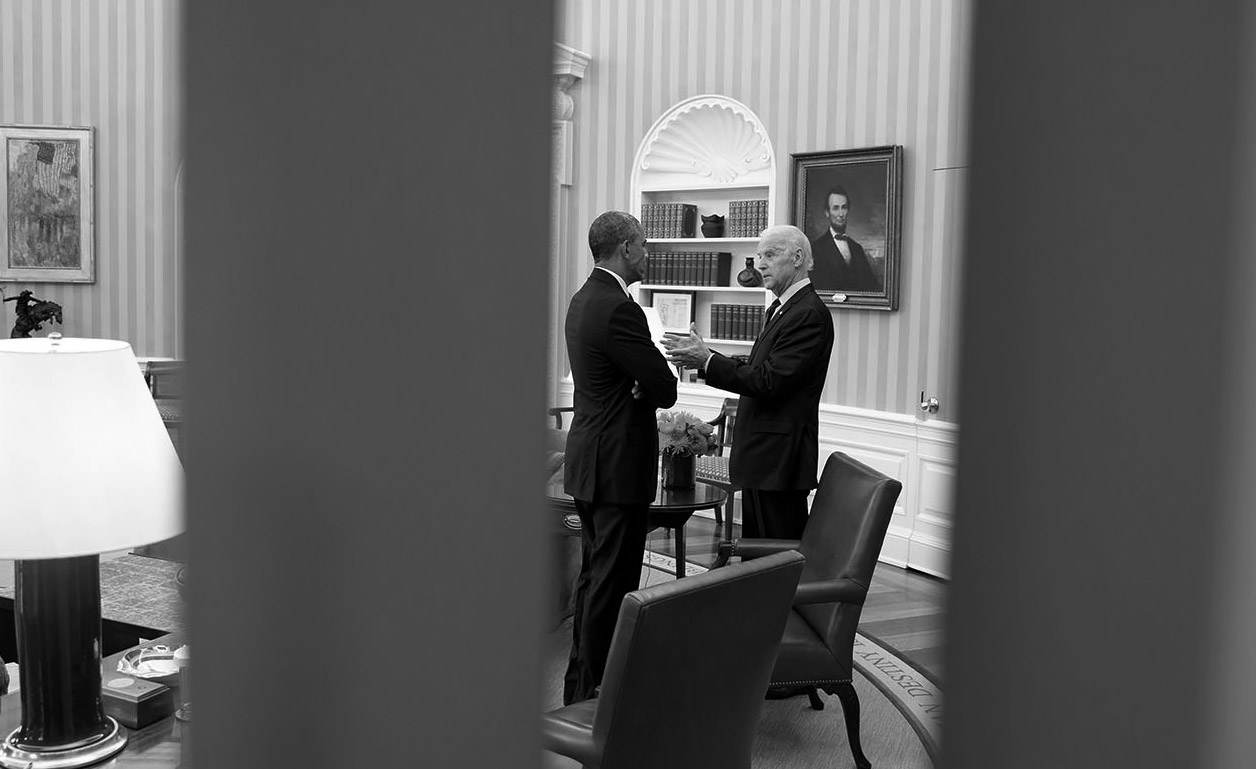
President Barack Obama talks with Vice President Joe Biden in the Oval Office, April 15, 2015. Photo: The White House

When you first go on duty at CIA headquarters, you raise your hand and swear an oath — not to government, not to the agency, not to secrecy. You swear an oath to the Constitution. So there’s this friction, this emerging contest between the obligations and values that the government asks you to uphold, and the actual activities that you’re asked to participate in.

These disclosures about the Obama administration’s killing program reveal that there’s a part of the American character that is deeply concerned with the unrestrained, unchecked exercise of power. And there is no greater or clearer manifestation of unchecked power than assuming for oneself the authority to execute an individual outside of a battlefield context and without the involvement of any sort of judicial process.

Traditionally, in the context of military affairs, we’ve always understood that lethal force in battle could not be subjected to ex ante judicial constraints. When armies are shooting at each other, there’s no room for a judge on that battlefield. But now the government has decided — without the public’s participation, without our knowledge and consent — that the battlefield is everywhere. Individuals who don’t represent an imminent threat in any meaningful sense of those words are redefined, through the subversion of language, to meet that definition.

Inevitably that conceptual subversion finds its way home, along with the technology that enables officials to promote comfortable illusions about surgical killing and nonintrusive surveillance. Take, for instance, the Holy Grail of drone persistence, a capability that the United States has been pursuing forever. The goal is to deploy solar-powered drones that can loiter in the air for weeks without coming down. Once you can do that, and you put any typical signals collection device on the bottom of it to monitor, unblinkingly, the emanations of, for example, the different network addresses of every laptop, smartphone, and iPod, you know not just where a particular device is in what city, but you know what apartment each device lives in, where it goes at any particular time, and by what route. Once you know the devices, you know their owners. When you start doing this over several cities, you’re tracking the movements not just of individuals but of whole populations.

By preying on the modern necessity to stay connected, governments can reduce our dignity to something like that of tagged animals, the primary difference being that we paid for the tags and they’re in our pockets. It sounds like fantasist paranoia, but on the technical level it’s so trivial to implement that I cannot imagine a future in which it won’t be attempted. It will be limited to the war zones at first, in accordance with our customs, but surveillance technology has a tendency to follow us home.

Here we see the double edge of our uniquely American brand of nationalism. We are raised to be exceptionalists, to think we are the better nation with the manifest destiny to rule. The danger is that some people will actually believe this claim, and some of those will expect the manifestation of our national identity, that is, our government, to comport itself accordingly.

Unrestrained power may be many things, but it’s not American. It is in this sense that the act of whistleblowing increasingly has become an act of political resistance. The whistleblower raises the alarm and lifts the lamp, inheriting the legacy of a line of Americans that begins with Paul Revere.

The individuals who make these disclosures feel so strongly about what they have seen that they’re willing to risk their lives and their freedom. They know that we, the people, are ultimately the strongest and most reliable check on the power of government. The insiders at the highest levels of government have extraordinary capability, extraordinary resources, tremendous access to influence, and a monopoly on violence, but in the final calculus there is but one figure that matters: the individual citizen.

And there are more of us than there are of them.

Originally published by The Intercept


Share this:

  • Tweet
  • More
Like Loading...

Socialism isn’t perfect, but it’s damn better than what we have

05 Thursday May 2016

Posted by raomk in Current Affairs, INTERNATIONAL NEWS, Left politics, Opinion, USA

≈ 1 Comment

Tags

Black Futures, CAPITALISM, communism, Marxism, Socialism, US left politics

by: JANAÉ BONSU

may 4 2016

People’s World Series on Socialism

Everyone seems to be talking about socialism these days, but what does it mean? That was the question asked by Susan Webb in one of our most popular and widely-shared recent articles. Millions of Americans are considering alternatives to a system run by and for the 1 percent. They are taking an interest in socialism, a word that has meant a great many things to activists, trade unionists, politicians, and clergy around the world over the last century and a half. The article below is one of a series on socialism, what it can mean for Americans in the 21st century, and how we might get there. 

On February 1, 2016 BYP100 (Black Youth Project 100) released the Agenda to Build Black Futures – a comprehensive platform of bold economic goals developed by young Black people. As one of them, I admittedly didn’t have a firm grasp on all the nuances and distinctions between the different political economies I’d often hear mentioned in social justice circles – socialism, communism, Marxism…and I still don’t. I do know, however, that capitalism has been the bane of most people’s existence (99% to be exact), and it was the reason why we needed to even draft such a document.

My co-authors and I wrote the Agenda based on what we thought would get Black and all oppressed people closer to social, economic, and political freedom. It wasn’t until after it was released and the feedback started rolling in that I heard the Agenda is, in many ways, a socialist economic platform. This, in turn, caused me to reflect on what the hell socialism even means.

The Agenda covers a lot of ground, but many of the recommendations we put forth have been articulated and fought for in the social movements of yesteryear – universal childcare, guaranteed income, baby bonds, jobs with a living wage, the right to unionize without retaliation, paid family leave, community land trusts, and cooperatives – just to name a few things.

But there are some things that today’s freedom fighters are much more vocal on, like comprehensive healthcare that covers gender-affirming and transition-related care, valuing women’s paid and unpaid labor, reproductive justice, and taking the profit out of punishment. If folks say that the Agenda is socialist, then I’ve come to some conclusions about what socialism must mean.

I understand capitalism to correspond with competition. In a capitalist society, one is measured by the quantity and quality (i.e. value) of one’s labor. Everyone is disposable. Socialism, then, must mean not having to compete to climb up a proverbial ladder because someone will inevitably be below someone else. Socialism must mean obliterating the notion of struggling to survive. In a world where poverty does not exist, neither do police (or at least not in their historically oppressive capacity). In a world where police don’t exist, neither do prisons and jails. That is the world I we had in mind in drafting the Agenda. Utopian? Most would say “definitely”. But I know its possible.

If the “playing field” is to ever be leveled, those complicit and accessory to the harms done that have caused and perpetuate the inequities that society’s most marginalized face must make amends. Yes, I’m talking about reparations.

I’m writing this on the day that the Treasury Department announced that Harriet Tubman will be the next face on the $20 bill to replace Andrew Jackson. Harriet Tubman was a former slave and an embodiment of anti-capitalism who risked her life to liberate the people who white men like Jackson purchased as property and whose labor they exploited. If Tubman was alive, I’m pretty sure she would rather see all those bills that her face is about to grace to go towards righting the wrongs of racist public policy over many lifetimes.

What’s really ironic is that in 1862, Congress signed off on reparations to slaveholders in D.C. that were loyal to the Union for their freed slaves. Yet, the horrors that enslaved people and their descendants endured by their hands haven’t been enough to move Congress to grant reparations. Oh, America.

In many ways, I think the aforementioned recommendations put forth in the Agenda are forms of reparations. If those same recommendations are socialist, then perhaps we should really consider this socialism thing (and self-proclaimed socialist, Bernie Sanders, should certainly reconsider his stance on reparations).

In any case, I agree with Susan Webb when she says, “Socialism is simply about rebuilding our society so that…the people who make this country run – not a tiny group of super-rich corporate profiteers – are the deciders, the planners, the policymakers.”

I disagree with Webb, though, on this notion that “socialism is rooted in American values.” Freedom is one value she listed, but freedom can’t possibly be an American value if, from its founding and at present, the structures that hold it together withhold freedom from so many people. The America I know has no values, which is why I’m committed to rebuilding an America informed by the values of freedom, justice, love, radical inclusivity, collective power, and interdependence.

Taken together, I won’t ever say that socialism is perfect – nothing is. But it’s damn better than what we have now.

Janaé Bonsu is the National Public Policy Chair of Black Youth Project 100 (BYP100). Follow her on Twitter @janaebonsu.

Courtesy :http://peoplesworld.org/

Share this:

  • Tweet
  • More
Like Loading...

ప్రభుత్వ పాఠశాల విద్య పరిరక్షణే చికాగో టీచర్ల ‘మే డే ‘దీక్ష

26 Tuesday Apr 2016

Posted by raomk in Current Affairs, INTERNATIONAL NEWS, Left politics, USA

≈ Leave a comment

Tags

Chicago Teachers, Chicago teachers strike, Chicago Teachers Union

చికాగో టీచర్స్‌ యూనియన్‌ అధ్యక్షురాలు కరేన్‌ లెవిస్‌

ఎం కోటేశ్వరరావు

    చరిత్ర ఎంతో చిత్రమైనది ! ఆదిమానవ దశలో ప్రకృతిని జయించి దానిని తన అదుపులో పెట్టుకొనేందుకు పోరు సాగించటమే ఏకైక కర్తవ్యం. కుటుంబం, వ్యక్తిగత ఆస్ధి, దానిని కాపాడుకొనేందుకు రాజ్యాంగాల పుట్టుక తరువాత సమాజాన్ని జయించి తమ అదుపులో పెట్టుకొనేందుకు మానవాళిలోనే ఒక వర్గం పూనుకున్న తరువాత మహాకవి శ్రీశ్రీ చెప్పినట్లు నరజాతి చరిత్ర సమస్తం పరపీడన పరాయణత్వమే. దానికి వ్యతిరేకంగా సాగిస్తున్న పోరులో ఏ వైరుధ్యం ఎప్పుడు ముందుకు వస్తుందో, ఎప్పుడు ఏ మలుపు తిరుగుతుందో, అది ఎలా పరిష్కారమౌతుందో ఎవరూ జోస్యం చెప్పలేరు. అందుకే చరిత్ర ఎంతో చిత్రమైనది. అనేక మంది ఆ చిత్రాల గురించి ప్రస్తావించారు.

   చుంచెలుక జీవిత పర్యంతం నిరంతరం భూమిలో ఎక్కడో అక్కడ తవ్వుతూనే వుంటుంది. అది దాని స్వభావం, ఎప్పుడు బయటికి వస్తుందో తెలియదు.కొన్నిసార్లు మనకు అలా కనిపించి ఇలా మాయమై పోతుంటుంది. కానీ నిరంతరం అది తవ్వుతూనే వుంటుంది. ప్రఖ్యాత నాటక రచయిత షేక్‌స్పియర్‌ ఈ చిత్రమైన జీవి గురించి తన హామ్లెట్‌ నాటకంలో ప్రస్తావించారు. కారల్‌ మార్క్సు దానిని విప్లవానికి అన్వయించారు. ఆయన ఊహించిన విధంగా బాగా అభివృద్ధి చెందిన పారిశ్రామిక దేశాలలో విప్లవం రాలేదు. కానీ అందుకు భిన్నంగా అంతకంటే తక్కువ అభివృద్ధి చెందిన రష్యాలో వచ్చింది. తరువాత అత్యంత వెనుకబడిన ఫ్యూడల్‌ చైనాలో వచ్చింది. చరిత్ర చిత్రాల గురించి ఎంగెల్స్‌ ఇలా పేర్కొన్నారు.’మన కంటికి ఆకస్మికంగా కనిపించే గొప్ప విప్లవాలన్నింటికీ ముందు కాలపు ఆలోచనలు, సాహిత్యం, రాజకీయాల ఫలితంగా నిశ్చల మరియు రహస్య విప్లవాలు జరిగే తప్పనిసరిగా జరిగి వుంటాయి. విప్లవం ప్రతి కంటికీ కనిపించదు.’

    ఈఏడాది నవంబరులో జరగబోయే అమెరికా అధ్యక్ష ఎన్నికలలో బెర్నీ శాండర్స్‌ అభ్యర్ధిత్వం కోసం పోటీ పడటం ఒక అనూహ్య పరిణామం. అమెరికాలో సోషలిస్టు, కమ్యూనిస్టు అని ఎవరైనా చెప్పుకుంటే వారిని ఎయిడ్స్‌ రోగి మాదిరి చూసేట్లు అక్కడి పాలకులు చేశారు కమ్యూనిస్టు వ్యతిరేక ప్రచారాన్ని నూరిపోశారు. అభ్యుదయ వాదులు, మ్యూనిస్టులుగా పేరు పడిన వారు నిరంతరం ఎప్పుడు ఏ కమ్యూనిస్టు వ్యతిరేక వున్మాది దాడి చేస్తాడా అని జాగ్రత్తలు తీసుకోవాల్సిన పరిస్థితులు వుండేవంటే అతిశయోక్తి కాదు. అలాంటి గడ్డలో నేను సోషలిస్టును, కమ్యూనిస్టును అని బహిరంగంగా ప్రకటించి సియాటిల్‌ నగర పాలక సంస్ధ ఎన్నికలలో భారతీయ సంతితికి చెందిన కష్మా సావంత్‌ ఒకసారి కాదు రెండు సార్లు 2013,15లో పోటీ చేసి విజయం సాధించారు.ఆమె ఒక టీచర్‌గా పనిచేసింది. బెర్ని శాండర్స్‌ తనను సోషలిస్టుగా, అభ్యుదయ వాదిగా స్వయంగా ప్రకటించుకున్న డెమోక్రటిక్‌పార్టీ పార్లమెంట్‌ సభ్యుడు. నవంబరులో జరిగే అధ్యక్ష ఎన్నికలలో డెమోక్రటిక్‌ పార్టీ అభ్యర్ధిగా తనను నిలపాలని తనకు అందుకు అన్ని రకాల అర్హతలు వున్నాయని పార్టీలో మద్దతు సంపాదించేందుకు హిల్లరీ క్లింటన్‌తో పోటీ పడుతున్నారు. అందుకు సంబంధించిన వార్తలు, విశ్లేషణలు మన మీడియాలో అప్పుడపుడూ మనం చూస్తున్నాం.

     సోషలిస్టు, కమ్యూనిస్టు వ్యతిరేకతకు పురిటి గడ్డగా పేరు మోసిన అమెరికాలో అవును మేం కూడా శాండర్స్‌ మాదిరి డెమోక్రటిక్‌ సోషలిస్టులమే అంటూ మిలియన్ల కొలదీ యువతరం ఆయనకు జేజేలు పలకటం ఎవరైనా వూహించారా? అదీ సోషలిజంపై సాగించిన ప్రచ్చన్న యుద్దంలో విజయం సాధించామని, కమ్యూనిజానికి సమాధి కట్టా మని, తమకు ఇంక ఎదురులేదని ప్రకటించుకున్న అమెరికా పాలకవర్గానికి చెమటలు పట్టిస్తారని ఎవరైనా కలగన్నారా ? బెర్నీ శాండర్స్‌ పచ్చి కమ్యూనిస్టు తెలుసా అంటూ ఆయన గురించి చిలవల పలవలతో కూడిన వ్యతిరేక కధనాలు రాయని కార్పొరేట్‌ పత్రికలు, రేడియోలు, టీవీలు లేవంటే అతిశయోక్తి కాదు. బెర్నీ, ఆయన మద్దతుదారులు సోషలిస్టులు, కమ్యూనిస్టులా అయితే ఏమిటట, మా గురించేగా మాట్లాడుతున్నారు అంటూ రోజురోజుకూ వారి పట్ల సానుకూలతను పెంచుకుంటున్నారని స్వయంగా అమెరికా సంస్ధల సర్వేలే వెల్లడించటం గతంలో ఎప్పుడైనా జరిగిందా ? అయితే ఇవన్నీ యాదృచ్చికంగా జరిగాయా ?ఎంగెల్స్‌ చెప్పినట్లు ఎన్నో కారణాలు,ఎన్నెన్నో పరిణామాలు దోహదం చేశాయి.అంటే చుంచెలుక అమెరికాలో మరోసారి అంతర్గతంగా తొలుస్తోందా ? ఏమో చరిత్ర చిత్రాలను ఎవరు వూహించగలరు ?

      అమెరికా ఖండాల చరిత్రను చూస్తే ఇలాంటి పరిణామాలు ఆశ్చర్యం గొలపవు. మొత్తంగా వలస వచ్చిన వారితో, బానిసలుగా ఆఫ్రికా ఖండం నుంచి బలవంతంగా పట్టుకు వచ్చిన వారితో ఏర్పడిన అమెరికా సంయుక్త రాష్ట్రాలలో(యుఎస్‌ఏ) ఇప్పుడు రిపబ్లికన్‌ పార్టీ నేతలు భారత్‌ వంటి దేశాల నుంచి వుపాధికోసం వచ్చే వారికి వ్యతిరేకంగా మాట్లాడుతున్నారు. పెట్టుబడిదారీ వ్యవస్ధలో సంక్షోభాలు నిత్యకృత్యం. వాటి నుంచి బయట పడటానికి ఒక నాడు వలసలను స్వయంగా ప్రోత్సహించింది. నూతన ప్రపంచం పేరుతో అమెరికా ఖండాలలోని ప్రకృతి సంపదలను స్వంతం చేసుకున్న ఐరోపా పాలకవర్గం తమకు అవసరమైన పని వారి కోసం పెద్ద ఎత్తున ఐరోపా నుంచి వలసలను ప్రోత్సహించింది. వలస కార్మికులకు రంగుల కలలను చూపింది.ఆఫ్రికా నుంచి అక్కడి జనాన్ని బానిసలుగా పట్టుకు వచ్చింది.అలాంటి పెట్టుబడిదారీ వర్గానికి ప్రతినిధిగా ముందుకు వస్తున్న రిపబ్లికన్‌ పార్టీ వలసలకు వ్యతిరేకంగా మాట్లాడుతోంది. ఎందుకు ?

     1870దశకంలో ఐరోపాలో తీవ్రమైన ఆర్ధిక మాంద్యం ఏర్పడింది. దాని ప్రభావం అమెరికాపై పడింది. దానిలో భాగంగా 1873 సెప్టెంబరు 18న అమెరికాలోని అగ్రశ్రేణి బ్యాంకింగ్‌ సంస్ధ జె కూక్‌ అండ్‌ కంపెనీ కుప్పకూలింది.ఈ కంపెనీ అమెరికాలో రైలు మార్గాలకు పెట్టుబడులు పెట్టింది.అంతకు ముందు ప్రపంచ ఆక్రమణలో తమ వాటా కోసం ఆధిపత్య పోరులోఅమెరికా జరిపిన అనేక యుద్ధాల సమయంలో రుణ లావాదేవీలను నిర్వహించటంలో కీలక పాత్ర పోషించింది.అమెరికాపై ఈ మాంద్య ప్రభావం ఆ నాడు ఎంత తీవ్రంగా వుందంటే ఈ బ్యాంకు కుప్పకూలటంతో న్యూయార్క్‌ స్టాక్‌ ఎక్సేంజ్‌ పది రోజుల పాటు మూత పడింది. కంపెనీలకు అప్పులు కరవయ్యాయి.పద్దెనిమిదివేల వ్యాపార సంస్ధలు దివాలా తీశాయి. నిరుద్యోగం 1876 నాటికి 14శాతానికి పెరిగింది. పని దొరికిన కార్మికులకు కూడా ఆరునెలలు మాత్రమే, అదీ 45శాతం వేతన కోతతో రోజుకు ఒక డాలరు కంటే తక్కువకే పనిచేశారు. దేశంలోని 364 రైలు మార్గ కంపెనీలలో 89 దివాలా తీశాయి.అంతకు ముందు ప్రభుత్వం రైలు మార్గాల నిర్మాణాలను పెద్ద ఎత్తున ప్రోత్సహించింది.అందుకుగాను పెద్ద విస్తీర్ణంలో భూమి, ఇతర సబ్సిడీలను ఇచ్చింది.దాంతో మదుపుదార్లందరూ రైలు మార్గ కంపెనీలకు తమ పెట్టుబడులను మరల్చారు. బ్యాంకులన్నీ డబ్బును ఇటు మళ్లించాయి. మాంద్యం అటు రైలు మార్గ కంపెనీలు, ఇటు వాటిలో పెట్టుబడులు పెట్టిన వారినీ తీవ్రంగా దెబ్బతీసింది. సబ్సిడీ రూపంలో రాయితీలను పొందేందుకు ఆ సమయంలో అంత విస్తరణ అవసరమా లేదా అని చూడకుండా పెట్టుబడిదారులు 1866-73 మధ్య 55వేల కిలోమీటర్ల మేర కొత్త మార్గాలను నిర్మించారు. ఈ పూర్వరంగంలో మాంద్యం కారణంగా ఒకే ఏడాది మూడుసార్లు కార్మికుల వేతనాలను తగ్గించారు. దానికి నిరసనగా 1877లో అమెరికాలో జరిగిన రైల్వే కార్మికుల సమ్మెలను కొంత మంది మహా తిరుగుబాటుగా వర్ణించారు.ఇదే తరువాత కాలంలో ప్రపంచ కార్మికవర్గ దీక్షా దినమైన ‘మే డే ‘కు నాంది పలికిందంటే అతిశయోక్తి కాదు.

      పశ్చిమ వర్జీనియాలోని మార్టినెస్‌బర్గ్‌లో 1877 జూలై 14న ప్రారంభమైన రైల్వే కార్మిక సమ్మె అనేక ప్రాంతాలకు విస్తరించి 45 రోజుల పాటు జరిగింది. దీనికి ఏ కార్మిక సంఘమూ పిలుపునివ్వలేదు. ఏ పార్టీ మద్దతు పలకలేదు. మాంద్యంతో కార్మికుల నుంచి వెల్లువెత్తిన నిరసన నుంచి చెలరేగిన ఈ సమ్మె, హింసాకాండను అణచివేసేందుకు స్ధానిక, రాష్ట్ర, కేంద్ర పోలీసు, మిలిటరీ బలగాలను దించారు. మాంద్యం 1878-79 నాటికి తగ్గిపోయింది. అయితే ఆ సందర్భంగా కార్మికుల్లో తలెత్తిన నిరసనను పాలకులు అణచివేసినా కార్మికవర్గం అనేక పాఠాలు నేర్చుకుంది. పశ్చిమ వర్జీనియాలో ప్రారంభమైన సమ్మె అణచివేతకు ఆ రాష్ట్ర గవర్నర్‌ రాష్ట్ర పారామిలిటరీ బలగాలను ఆదేశించాడు. బల ప్రయోగానికి ఆ దళాలు నిరాకరించాయి. దాంతో కేంద్ర దళాలను దించాడు. ఇలా అనేక రాష్ట్రాలలో జరిగింది. పలుచోట్ల కార్మికులు, మిలిటరీ దళాలతో తలపడ్డారు.మేరీలాండ్‌లో మిలిటరీ కాల్పులలో పది మంది కార్మికులు మరణించారు.పెన్సిల్వేనియా రాష్ట్రంలో ఒక రైలు మార్గ యజమాని అయిన థామస్‌ అలెగ్జాండర్‌ స్కాట్‌ కార్మికులకు కొద్ది రోజుల పాటు ‘తూటాల భోజనం పెట్టండి ఎలా వుంటుందో రుచి చూస్తారు’ అని వ్యాఖ్యానించాడు.దాంతో జరిపిన కాల్పులలో 20 మంది మరణించారు.ఇలా అనేక చోట్ల స్ధానిక ప్రభుత్వాల ఆదేశాల కంటే రైలు కంపెనీల యజమానుల ఆదేశాలమేరకు సాయుధ దళాలు కార్మికులను అణచివేశాయి.

     ముందే చెప్పుకున్నట్లు ఈ సమ్మె అనేక అనుభవాలను నేర్పింది. మిస్సోరీ రాష్ట్రంలో సెయింట్‌ లూయీస్‌ వర్కింగ్‌ మెన్‌ పార్టీ ఇచ్చిన పిలుపు మేరకు మిస్సోరీ నది పరిసర ప్రాంతాలలో అనేక మంది ఇతర కార్మికులు సానుభూతిగా సమ్మె చేశారు. చివరకు రోజుకు ఎనిమిది గంటల పని, బాలకార్మికుల నిషేధం డిమాండ్లతో అమెరికాలోనే తొలి సాధారణ సమ్మెగా అది మారిపోయింది. నది రెండువైపులా ఎనిమిది వేల మంది సాయుధ బలగాలను దించి సమ్మెను అణచివేశారు. కనీసం పద్దెనిమిది మందిని కాల్పులలో చంపివేశారు.

     ఈ సమ్మె అణచివేత తరువాత భవిష్యత్‌లో ఆందోళనలను ఎలా నిర్వహించాలా అని కార్మికవర్గం ఆలోచించింది. మరోసారి ఇలాంటి ఆందోళనలు పునరావృతం కాకుండా ఎలా చూడాలా అని యజమానులు పధకాలు వేశారు. కార్మికుల పట్ల మరింత కఠిన వైఖరిని అనుసరించాలని నిర్ణయించారు. అనేక రాష్ట్రాలలో కొత్త సాయుధ దళాలను తయారు చేశారు. జాతీయ సాయుధ దళాలకు అనేక పట్టణాలలో కేంద్రాలను నిర్మించారు. కార్మికులను అణచివేసేందుకు కొన్ని చట్టాలను కూడా కొత్తగా రూపొందించారు. ఇదే సమయంలో కార్పొరేట్‌ శక్తులను ఎదుర్కోవటంలో కార్మికవర్గం కూడా తనలో ఇమిడి వున్న శక్తిని గుర్తించింది.పిట్స్‌ బర్గ్‌లో సమ్మె అణచివేతకు సారధ్యం వహించిన సాయుధ దళాధికారి మాటల్లోనే ‘ ఒకే లక్ష్యం, ఒకే స్ఫూర్తి వారిలో కనిపించింది. కార్పొరేషన్ల శక్తిని దెబ్బతీసేందుకు ఏ పద్దతి అయినా అనుసరించవచ్చని వారు సమర్ధించుకున్నారు’ అన్నాడు. కార్మికులలో పెరిగిన చైతన్యం కారణంగా యజమానులు కూడా తెగేదాకా లాగితే తమకూ నష్టమే అని కూడా గ్రహించకతప్పలేదు. ఈ పూర్వరంగంలోనే బాల్టిమోర్‌ అండ్‌ ఓహియో రైలు మార్గ కంపెనీ 1880 మే ఒకటిన వుద్యోగుల సహాయ విభాగాన్ని ప్రారంభించి అనారోగ్యం, ప్రమాదాలకు గురైనపుడు సాయం, మరణిస్తే పరిహారం చెల్లించేందుకు ఏర్పాటు చేసింది. అదే కంపెనీ మరో నాలుగు సంవత్సరాల తరువాత పెన్షన్‌ పధకాన్ని ప్రారంభించిన తొలి పెద్ద యాజమాన్యంగా పేరు తెచ్చుకుంది.

  రైల్వే కార్మికుల ఆందోళన తరువాత అనేక పరిశ్రమలలో సమ్మెలు గణనీయంగా పెరిగాయి.1884అక్టోబరు ఏడున అమెరికా కార్మిక సంఘాల సమాఖ్య 1886 మే ఒకటవ తేదీ నుంచి రోజుకు ఎనిమిది గంటల పని విధానం అమలులో వుండేట్లుగా ఎక్కడి కక్కడ కార్మిక సంఘాలు తీర్మానించి అమలు జరిపించుకోవాలని ఒక తీర్మానంలో అమెరికా, కెనడా కార్మికవర్గాన్ని కోరింది. మరుసటి ఏడాది సమావేశంలో కూడా అదే తీర్మానాన్ని పునరుద్ఘాటించింది. ఈ పిలుపు కార్మికవర్గంలో ఎంతో విశ్వాసాన్ని, వుత్సాహాన్ని నింపింది. రెండు సంవత్సరాల కాలంలోనే కార్మిక సంఘాల సభ్యత్వం రెండు నుంచి ఏడులక్షలకు పెరగటమే దానికి నిదర్శనం. ఎంగెల్స్‌ చెప్పినట్లుగా ‘మన కంటికి ఆకస్మికంగా కనిపించే గొప్ప విప్లవాలన్నింటికీ ముందు కాలపు ఆలోచనలు, సాహిత్యం, రాజకీయాల ఫలితంగా నిశ్చల మరియు రహస్య విప్లవాలు జరిగే తప్పనిసరిగా జరిగి వుంటాయి. విప్లవం ప్రతి కంటికీ కనిపించదు.’

   ప్రపంచాన్ని మరో మలుపు తిప్పిన మే డే పూర్వరంగం కూడా అలాంటిదే. 1881-84 మధ్య కాలంలో అమెరికాలో ఏడాదికి సమ్మెలు, లాకౌట్లు ఏడాదికి 150 జరగ్గా వాటిలో వున్న కార్మికులు లక్షా 50వేల మంది వున్నారు. తరువాత క్రమంగా పెరిగాయి 1886లో దాదాపు పదివేల సమ్మెలలో ఏడులక్షల మంది కార్మికులు పాల్గొన్నారు. అదే ఏడాది పనిగంటలను పన్నెండు నుంచి ఎనిమిదికి తగ్గించాలని కోరుతూ మే ఒకటిన జరిగిన జాతీయ సమ్మెలో 12వేల కంపెనీల కార్మికులు పాల్గొన్నారు.ఈ ఆందోళనకు కేంద్రంగా చికాగో మారింది. మే మూడవ తేదీన మెకార్మిక్‌ రీపర్‌ వర్క్స్‌ పరిశ్రమ వద్ద పోలీసులు కార్మికులను రెచ్చగొడుతూ జరిపిన కాల్పులలో ఆరుగురు మరణించారు. దానికి నిరసనగా మే నాలుగవ తేదీన చికాగోలోని హే మార్కెట్‌ ప్రాంతంలో కార్మికులు ప్రశాంతంగా సభ జరిపారు. కుట్రలో భాగంగా పోలీసులే బాంబులు వేసి తమ అధికారి ఒకరిని చంపివేశారు. దాన్ని సాకుగా చూపి కార్మికులపై తిరిగి కాల్పులు జరిపారు. ఆ సందర్భంగా నలుగు కార్మికులు మరణించినట్లు ప్రభుత్వం తెలిపింది. అయితే అంతకంటే ఎక్కువ మంది కనిపించలేదు. ఆ సందర్భంగానే ఒక పోలీసు మరణించాడు. తరువాత గాయాలతో మరో ఆరుగురు మరణించారు. తరువాత వెల్లడైన అంశమేమంటే గాయాలతో మరణించిన ఆరుగురు కూడా పోలీసులు విచక్షణా రహితంగా జరిగిన కాల్పుల తూటాలకు గాయపడిన వారే అని తేలింది. ఈ వుదంతంలో ఎనిమిది మంది కార్మికులును బాధ్యులుగా చేస్తూ కేసు పెట్టి, విచారణ తతంగం జరిపి వారిని వురి తీశారు. నిజానికి వారు కాల్పులు జరిగిన సమయంలో హే మార్కెట్‌ ప్రాంతంలోనే లేరు. ఆ చర్య అమెరికన్లనే గాక యావత్‌ ప్రపంచ కార్మికవర్గాన్ని మరింతగా ఆగ్రహానికి గురిచేసింది. తరువాత 1889 జూలై 14న పారిస్‌లో జరిగిన రెండవ ఇంటర్నేషనల్‌ సమావేశం చికాగో కార్మిక పోరాటాన్ని సమీక్షించి, అమెరికా కార్మిక సంఘ సూచనను ఆమోదిస్తూ మరుసటి ఏడాది 1890 నుంచి మే ఒకటవ తేదీని అంతర్జాతీయ కార్మిక దీక్షా దినంగా పాటించాలని తీర్మానించింది.

    1870దశకపు మాంద్యం తరువాత మరో రెండు దశాబ్దాలకు 1893-94లో అమెరికాను మరో మాంద్యం కుదిపేసింది. దేశవ్యాపితంగా సమ్మెలు వెల్లువెత్తాయి. ఇరవై ఆరు రాష్ట్రాలలో కార్మికులు-భద్రతా దళాలు తలపడేంతగా పరిస్ధితులు దిగజారాయి.ఈ సందర్భంగా పుల్‌మాన్‌ అనే రైల్వే కంపెనీలో జరిగిన సమ్మె వైఫల్యం కార్మికోద్యమంలో కొత్త పరిణామాలకు నాంది పలికింది.అప్పటి వరకు కార్మికులు ఏ విభాగంలో పనిచేసినా ఒకే యూనియన్‌లో వుండే వారు. ఈ సమ్మె సందర్బంగా కొన్ని విభాగాల వారు సమ్మెలో పాల్గొనలేదు. అది విభాగాల వారీ యూనియన్ల ఏర్పాటుకు దారి తీసింది.(వుదా టీచర్లలో కాడర్‌ సంఘాలు ఏర్పడిన మాదిరి ) దీనివలన వుపయోగాలతో పాటు నష్టాలు కూడా వున్నాయి. ఇప్పటికీ ఈ మంచి చెడ్డల గురించి చర్చలు జరుగుతూనే వున్నాయి.

     సరిగ్గా 130 సంవత్సరాల క్రితం చికాగో నగరంలో రోజుకు ఎనిమిది గంటల పని విధానాన్ని కోరుతూ జరిగిన ఆందోళనతో మే డే వునికిలోకి వచ్చింది. అదే చికాగో నగరం ప్రస్తుతం ఈ ఏడాది మేడే సందర్భంగా టీచర్ల ఆందోళనకు సమాయత్తం అవుతోంది. గత కొద్ది సంవత్సరాలుగా అమెరికా, ప్రపంచ వుపాధ్యాయ వుద్యమంలో చికాగో టీచర్స్‌ యూనియన్‌ ఒక ప్రత్యేక స్ధానం సంపాదించుకుందంటే అతిశయోక్తి కాదు.జూన్‌ 30వ తేదీతో గత ఒప్పంద గడువు ముగుస్తున్నా కొత్త ఒప్పందం చేసుకొనేందుకు ప్రభుత్వం ముందుకు రాకపోవటంతో ఏప్రిల్‌ ఒకటవ తేదీన సమ్మె చేసిన టీచర్లు మే పదహారవ తేదీన మరోసారి సమ్మెకు దిగే విధంగా అక్కడి ప్రభుత్వం, మేయర్‌ చర్యలు వున్నాయి. చికాగో టీచర్ల వుద్యమం ప్రపంచ టీచర్లకు వేగు చుక్కగా, కొత్తదారి చూపుతున్నది. అమెరికా పాలకుల నయా వుదారవాద విధానాలలో భాగంగా ఇప్పటికే వున్నత విద్యత బాధ్యత నుంచి తప్పుకున్న ప్రభుత్వం పాఠశాల విద్య నుంచి కూడా తప్పుకొనేందుకు వేగంగా అడుగులు ముందుకు వేస్తున్నది. ప్రభుత్వ పాఠశాలలు మెరుగైన విద్యను అందించటం లేదనే తప్పుడు ప్రచారం చేస్తూ ప్రయివేటు సంస్ధలకు స్కూళ్ల నిర్వహణ బాధ్యత అప్పగిస్తున్నది. దానికి ముద్దుగా చార్టర్‌ స్కూళ్లు అని పేరు పెట్టింది. నిధులను పెద్ద మొత్తంలో వాటికి మళ్లిస్తున్నది. ప్రభుత్వ స్కూళ్లకు విద్యార్ధులను దూరం చేయాలంటే అక్కడి సౌకర్యాలకు కోత పెట్టాలి. అందుకు గాను అవసరమైన నిధులను కోత పెట్టటం ప్రారంభించింది. రాజ్యాంగం ప్రకారం నగరపాల సంస్ధలు కూడా ప్రభుత్వాల మాదిరి బాండ్ల జారీ ద్వారా అప్పులు తీసుకోవచ్చు.( మన దేశంలో గ్రేటర్‌ కార్పొరేషన్ల పేరుతో పెద్ద మున్సిపాలిటీలలో పరిసర ప్రాంతాలను కలిపి పెద్ద నగర పాలక సంస్ధలుగా మార్చటంలో అసలు లక్ష్యం అదే). మీరు స్కూళ్లు నడపాలనుకుంటే అప్పులు చేయండి, వాటిని తీర్చటానికి ప్రజలపై పన్నులు, ఇతర భారాలు మోపండని రాష్ట్ర, కేంద్ర ప్రభుత్వాలు వత్తిడి చేస్తున్నాయి. పన్నులు, భారాలు మోపటం అంటే జనాన్ని రెచ్చగొట్టటం తప్ప వేరు కాదు. అసలే 2008 నుంచి తీవ్ర ఆర్ధిక మాంద్యం, నిజవేతనాలు పడిపోతున్న స్ధితిలో పౌరులు స్కూళ్ల కోసం అప్పులు, పన్నుల భారాలను వ్యతిరేకించటం సహజం.

     అమెరికాలో వున్న పరిస్థితులలో టీచర్ల సమ్మె ఒక రోజు జరిగినా తీవ్ర ప్రభావం చూపుతుంది. అందుకే ఎక్కడైనా టీచర్లు ఆందోళనకు దిగితే ఆ రోజు మా పిల్లలను ఎవరు చూస్తారంటూ తలితండ్రులు టీచర్లపై దెబ్బలాటకు వస్తారు. పాలకులు కూడా అదే రెచ్చగొడతారు. దీన్ని గమనించే గత కొద్ది సంవత్సరాలుగా చికాగో టీచర్స్‌ యూనియన్‌ తాము చేస్తున్న ఆందోళన కేవలం తమ బిల్లు-బెల్లుకే కాకుండా మొత్తం కార్మికవర్గ ప్రయోజనాలకే అని తలిదండ్రులు, కార్మికవర్గాన్ని ఒప్పించటంలో చాలా వరకు సఫలీకృతం అయింది. ఇదే సమయంలో ప్రయివేటు స్కూళ్లు తమపై ఎంత భారం మోపుతున్నాయో గ్రహించటం కూడా తలిదండ్రులలో ప్రారంభమైంది. ఈ కారణంగానే ఏప్రిల్‌లో సమ్మె చేసిన వుపాధ్యాయులు తిరిగి మేనెలలో మరో సమ్మెకు సన్నద్దం అవుతున్నారు. ప్రభుత్వం సంప్రదింపులు జరిపేందుకు అవసరమైన గడువు ముగిసిన తరువాత ఏరోజైనా పది రోజుల సమ్మె నోటీసు ఇచ్చి మే 16న సమ్మె చేయాలని తాత్కాలికంగా నిర్ణయించారు. చికాగో నగరం ఇల్లినాయిస్‌ రాష్ట్రంలో వుంది. ఆ రాష్ట్ర ప్రభుత్వ స్కూళ్ల అప్పు ప్రస్తుతం 20 బిలియన్‌ డాలర్లకు చేరిందని అంచనా.(బిలియన్‌ అంటే వంద కోట్లు, ఒక డాలర్‌ మన రూపాయలలో 68కి సమానం) దీనిలో ఒక్క చికాగో నగర అప్పు మూడో వంతు వుంది.ప్రీ ప్రైమరీ నుంచి 12వ తరగతి వరకు ఒక్కొక్క విద్యార్ధిపై సగటున పదివేల డాలర్ల అప్పు వున్నట్లు ఒక పత్రిక అంచనా వేసింది.అనేక నగరపాలక సంస్ధలలో స్ధానికంగా వసూలు చేసిన పన్నుల మొత్తం అప్పులపై వడ్డీలకే సరిపోతోందట.

   ఈ పూర్వరంగంలో టీచర్లు తమ ప్రతిపాదనలను అంగీకరిస్తే వారి వేతనాల పెంపుదలకు అంగీకరిస్తామని ప్రభుత్వం లంకె పెడుతోంది. పొమ్మన కుండా పొగపెట్టినట్లు మరోవైపు రుణం దొరక్కుండా చేసి స్కూళ్ల మూతలకు రంగం సిద్దం చేస్తోంది. పరోక్షంగా పాఠశాలల ప్రయివేటీకరణ, మూతలకు అంగీకరించాలని వత్తిడి చేస్తోంది. దీనిని చికాగో టీచర్స్‌ యూనియన్‌ అంగీకరించటం లేదు. దీంతో ప్రభుత్వం బెదిరింపులకు దిగింది. ఏప్రిల్‌ ఒకటవ తేదీన జరిపిన సమ్మె చట్ట బద్దమా కాదా అని తాము విచారించే ముందు తాత్కాలికంగా అయినా చట్టవిరుద్ధమైనదిగా ప్రకటించాలని ప్రభుత్వమే కోర్టును కోరింది. ఒక స్వతంత్రం వాస్తవాల విచారణ సంస్ధ రూపొందించిన నివేదికను టీచర్ల యూనియన్‌ ఆమోదించాలని చికాగో నగర ప్రభుత్వ పాఠశాలల సిఇఓ ఫారెస్ట్‌ క్లేపూల్‌ స్పష్టం చేశారు. ప్రభుత్వం నిధులు విడుదల చేయని పక్షంలో స్కూళ్ల మూత, తరగతి సైజు పెంపు, లేఆ ఫ్‌లు తప్పవని అన్నారు. స్వతంత్ర వాస్తవాల వెల్లడి బృందం సమర్పించిన నివేదిక ప్రకారం రానున్న నాలుగు సంవత్సరాలలో టీచర్ల వేతనం 8.75శాతం పెంచుతారు. దానికి కూడా కొన్ని షరతులు వున్నాయి. మన దేశంలో 2004 తరువాత సర్వీసులో చేరిన వారికి నూతన కంట్రి బ్యూటరీ పెన్షన్‌ విధానం వర్తింప చేస్తున్నట్లే 1980 దశకం నుంచి అమలులో వున్న పెన్షన్‌ విధానం బదులు టీచర్లు తమ పెన్షన్ల కోసం ఏడు శాతం మొత్తాలను చెల్లించాల్సి వుంటుంది. ఏటా రెండు శాతం మూల వేతనం పెంపుదల చొప్పున రెండు సంవత్సరాలకు ఒప్పందం చేసుకోవాలని, ఇతర లబ్దులను కొనసాగించాలని, చార్టర్‌ స్కూళ్ల సంఖ్యను పరిమితం చేయాలని, తరగతి గదిలో పిల్లల సంఖ్యను పెంచకూడదని టీచర్లు డిమాండ్‌ చేస్తున్నారు. తాజా పరిణామాలపై చికాగో టీచర్స్‌ యూనియన్‌ అధ్యక్షురాలు కరేన్‌ లెవిస్‌ మాట్లాడుతూ ‘సమ్మె చేయాలని టీచర్లెవరూ కోరుకోవటం లేదు. ఇదేమీ సంతోషించాల్సిన సందర్భం కాదు, మా విద్యార్ధుల ముందు మేము ప్రేమించే బోధన చేయటానికి ఇష్ట పడతాము. కానీ ఈ బోర్డు (ప్రభుత్వం) ప్రభుత్వ పాఠశాల విద్యను రక్షించుకొనేందుకు గాను మా విద్యార్ధులు, తలిదండ్రులు, పాఠశాల కమిటీలను సంఘటితర పరచటం తప్ప మాకు మరొక అవకాశం లేకుండా చేస్తున్నది. పాఠశాల విద్యకు మరిన్ని నిధులు రాబట్టే విషయంలో బోర్డు, టీచర్ల యూనియన్‌ ఒకటే, అయితే అది ఒప్పందం కుదిరిన తరువాత.మేము నిధుల గురించే కాదు, స్కూళ్ల మూసివేత ద్వారా పెద్ద సంఖ్యలో టీచర్లను కోల్పోకుండా లోపాలు లేని హామీలు కోరుతున్నాం, మేము హామీలు కోరుతుంటే వారే వేరే భాషలో ఇతర విషయాలు మాట్లాడుతున్నారు. ఇప్పటి వరకు మేము ఎంతో ఆశాభావంతో వున్నాం, మేము ఇప్పుడు ఒక నిర్ణయం తీసుకోవాల్సివుంది’ అన్నారు. మరోవైపున పాఠశాల బోర్డు సిఇఓ యూనియన్‌పై ఆరోపణలు చేస్తూ వాస్తవాలకు అనుగుణంగా ఆలోచించటం లేదని, ఊహా ప్రపంచంలో వుందని వ్యాఖ్యానించారు.

     అమెరికాలోని ప్రభుత్వ పాఠశాలలన్నీ తరతమ తేడాలతో తీవ్రమైన నిధుల కోత, రుణ సమస్యను ఎదుర్కొంటున్నాయి. బలమైన చికాగో టీచర్స్‌ యూనియన్‌ను లొంగదీసుకోవటం లేదా యూనియన్‌ను దెబ్బతీస్తే మిగతా ప్రాంతాలలో పాఠశాల విద్యపై వేటు వేయటం సులభం అవుతుంది. అందుకు ప్రభుత్వం అడ్డదారులు వెతుకుతుంటే వాటిని అధిగమించటానికి చికాగో టీచర్స్‌ యూనియన్‌ కూడా అంతే తీవ్రంగా ప్రయత్నిస్తున్నది. అందుకే అది పటిష్టం కావటం, విజయం సాధించటంపై అనేక అంశాలు ఆధారపడి వున్నాయి.

గమనిక : ఈ వ్యాసం వాయిస్‌ ఆఫ్‌ తెలంగాణా టీచర్‌ మాస పత్రిక మే నెల సంచిక నిమిత్తం రాసినది.

Share this:

  • Tweet
  • More
Like Loading...

ప్రజాస్వామ్యం కోసం చికాగో టీచర్ల సమ్మె !

03 Sunday Apr 2016

Posted by raomk in Current Affairs, INTERNATIONAL NEWS, USA

≈ Leave a comment

Tags

Chicago Teachers, Chicago Teachers Union, Chicago Teachers Union strike, The CTU’s Strike

ఎం కోటేశ్వరరావు

    అమెరికాలోని చికాగో నగర టీచర్లు మరోసారి ఈనెల ఒకటిన సమ్మె చేశారు.ఈ ఆందోళన ప్రత్యేకత ఏమంటే కెనడా, అమెరికాలోని అనేక దూర ప్రాంతాల నుంచి కూడా వచ్చిన కొంత మందితో సహా పాతికవేల మంది టీచర్లు తరగతులు బహిష్కరించి ఇల్లినాయిస్‌ విశ్వవిద్యాలయం వద్ద జరిగిన ధర్నాలో పాల్గొన్నారు. విద్యార్ధులు, టీచర్ల ప్రయోజనాలను దెబ్బతీస్తూ విద్యారంగానికి బడ్జెట్‌ కేటాయింపులను తగ్గించిన చర్యకు నిరసన ఇది. వుదయం ఆరున్నరకే ప్రతి స్కూలు వద్ద గుమికూడిన టీచర్లు చికాగో మేయర్‌ ఇమ్మాన్యుయేల్‌కు వ్యతిరేకంగా నినాదాలు చేశారు. స్కూలు టీచర్లకు సంఘీభావంగా చికాగోలోని అనేక విశ్వవిద్యాలయాల సిబ్బంది రోజంతా ప్రదర్శనలు నిర్వహించారు. రాష్ట్ర గవర్నర్‌(మన ముఖ్యమంత్రి మాదిరి) విశ్వవిద్యాలయాలకు 30శాతం కోత విధించారని వారు విమర్శించారు. సమాజంలోని ఒక శాతం మందిపై పన్నులు ఎక్కువగా విధించి ప్రభుత్వ పాఠశాల విద్యను కాపాడాలన్నది టీచర్ల ప్రధాన నినాదం.చికాగో టీచర్ల సమ్మె స్కూళ్లకు, తమ పెన్షన్లకు నిధులు పెంచాలని మాత్రమే కాదు లేదా కార్పొరేట్‌ సంస్ధలపై పన్ను పెంచాలని జరపలేదు, వాటన్నింటికోసం జరిగింది. సామాజిక వనరులను ఎవరు స్వంతం చేసుకోవాలి, వాటికి సంబంధించిన నిర్ణయాలు ఎవరు చేయాలనే ప్రజాస్వామిక అంశంపై కూడా జరిగింది అని జాకోబిన్‌ పత్రిక వ్యాఖ్యానించింది.

     సమ్మె ప్రజాస్వామ్యం కోసమే కాదు, ప్రజాస్వామ్య బద్దంగా కూడా జరిగింది. నిజమైన ప్రజాస్వామ్యం ఎలా వుంటుందో టీచర్స్‌ యూనియన్‌ చూపింది. ఇల్లినాయిస్‌ రాష్ట్ర చట్ట ప్రకారం సమ్మె చేయాలంటే యూనియన్‌ సభ్యులలో 75శాతం మంది ఆమోదం తెలపాలి.ఆ మేరకు డిసెంబరులో జరిగిన ఓటింగ్‌లో 96శాతం మంది టీచర్లు పాల్గొన్నారు, వారిలో 92శాతం అనుకూలంగా ఓటు చేశారు. మార్చి 23న జరిగిన యూనియన్‌ కార్యవర్గంలో 486-124 తేడాతో సమ్మె నిర్ణయానికి ఆమోదం తెలిపారు.

    నిధులను తగ్గించి వచ్చే ఏడాది అనేక స్కూళ్లను మూసివేయాలన్న ప్రభుత్వ ఆలోచనను తలిదండ్రులు కూడా వ్యతిరేకిస్తున్నారు.ఈ సమ్మెను విచ్చిన్నం చేసేందుకు అధికార యంత్రాంగం తీవ్రంగా ప్రయత్నించింది. సమ్మె చట్ట విరుద్ధమని ప్రకటించి చర్యలు తీసుకుంటామని టీచర్లను బెదిరించటమే గాక కోర్టు ద్వారా నిలిపివేతకు సైతం ప్రయత్నించింది.మరోవైపున ఈ సమ్మె కేవలం టీచర్ల వుద్యోగాలకు సంబంధించిన అంశం గాక ఒక ప్రజా సమస్యగా మారింది. ఈ కారణంగానే ఎనిమిది ఇతర యూనియన్లు, అనేక సామాజిక బృందాలు టీచర్లకు బాసటగా నిలిచాయి.

    చికాగో కార్మికోద్యమ చరిత్రలో టీచర్స్‌ యూనియన్‌కు ఒక ప్రాధాన్యత వుంది. ప్రభుత్వ విధానాలపై పోరాడటం ద్వారా ప్రత్యేకతను సంతరించుకుంది. తాజా సమ్మె ఒక శాతం ధనికులు, 99శాతం కార్మికులకు సంబంధించిన సమస్యపై జరిగింది. అమెరికన్‌ పాలకవర్గం అందరికీ సామాజిక భద్రత కల్పించాల్సింది పోయి అలాంటి భద్రత కొంత మందికే ఎందుకు, అంటూ లేనివారిని రెచ్చగొడుతున్నది. చికాగో టీచర్లు, బస్‌ డ్రైవర్ల ఆరోగ్య పధకాలకు, పెన్షన్ల కోసం అందరూ పన్నులు చెల్లించాలా అంటూ ప్రచారం చేస్తున్నారు.యూనియన్లకు వ్యతిరేకంగా జనాన్ని రెచ్చగొట్టే యత్నమిది.టీచర్లు సమ్మె చేస్తే ఆ రోజుల్లో మీ పిల్లల్ని ఎవరు చూస్తారంటూ గతంలో సమ్మె సందర్భంగా తలిదండ్రులను రెచ్చగొట్టారు. ఈ సారి ఒక్క రోజు సమ్మెకే పిలుపు ఇచ్చినప్పటికీ నాలుగు లక్షల మంది విద్యార్ధులకు తరగతులు పోయాయని కొంత మంది మొసలి కన్నీరు కార్చారు. నిజానికి దీని కంటే ప్రభుత్వ నిధులు తగ్గింపు వలన తమ బిడ్డలు ఎక్కువ ఇబ్బందులు పడతారని తలిదండ్రులు గ్రహించారు కాబట్టే ఈ సారి వారిని రెచ్చగొట్టే ప్రచారం పెద్దగా ఫలితాన్ని ఇవ్వలేదు, ప్రభావం చూపలేదు.

     ఇప్పుడు ఎన్నికల ప్రచారంలో కూడా ఇలాంటి రెచ్చగొట్టుడు అంశాలు చోటు చేసుకుంటున్నాయి.వలసవచ్చిన వారు అమెరికన్లకు వుపాధి లేకుండా చేస్తున్నారని, మెక్సికో, చైనాలనుంచి దిగుమతులు కారణంగా వుద్యోగాలు అక్కడి వారికి కల్పిస్తున్నారన్న ప్రచారం ముఖ్యంగా రిపబ్లికన్లు చేస్తున్నారు.ప్రభుత్వ రంగ సంస్ధల వుద్యోగుల యూనియన్లకు వ్యతిరేకంగా కోర్టులలో కేసులు ఇటీవలి కాలంలో బాగా పెరుగుతున్నాయి. బేరసారాలాడే హక్కును దెబ్బతీసేందుకు ప్రయత్నం జరుగుతోంది. తద్వారా కార్మికులను యూనియన్లకు దూరం చేసే ఎత్తుగడలో భాగమది. చికాగోలోని టీచర్లు, ఇతర కార్మిక సంఘాలు పోరాటాల నుంచి అనేక అనుభవాలు నేర్చుకున్నాయి. కార్పొరేట్‌ సంస్ధలు ప్రజా సేవల నుంచి పెద్ద మొత్తంలో ఎలా స్వాహా చేస్తున్నాయో ఎప్పటి కపుడు పౌరులకు తెలియ చేస్తున్నాయి. ధనికులపై పన్నులు ఎక్కువగా వసూలు చేయాల్సిన అవసరాన్ని పేర్కొంటున్నాయి.ఈ క్రమంలో పౌర సామాజిక బృందాలను కలుపుకోవటం ప్రత్యేకించి గమనించాల్సిన అంశం. దీనిలో భాగంగానే సేవారంగం, ఆరోగ్యరంగం, టీచర్ల యూనియన్లు తమకు మద్దతు కూడ గట్టేందుకు యునైటెడ్‌ వర్కింగ్‌ ఫ్యామిలీస్‌ పేరుతో ఒక రాజకీయ వేదికను ఏర్పాటు చేశాయి. రిపబ్లికన్లు, డెమోక్రాట్లు ఎన్నికల సమయంలో కార్మికవరగ్గాన్ని వుపయోగించుకోవటం తప్ప అధికారానికి వచ్చిన దాడులు జరపటంలో ఎవరికెరూ తీసిపోవటం లేదని, అందువలన తమకు అనుకూలమైన రాజకీయ వేదికలను ఏర్పాటు చేసుకోవాలని చికాగో కార్మికవర్గం నిర్ణయించుకుంది. 2012 నాటి టీచర్ల సమ్మె విజయం తరువాత చికాగో నగర పాలక సంస్ధ అనేక స్కూళ్లను మూసివేసి పెద్ద సంఖ్యలో టీచర్లను ఇంటికి పంపింది. దాంతో ఎన్నికలలో యునైటెడ్‌ వర్కింగ్‌ ఫ్యామిలీస్‌ సంస్ధ తన అభ్యర్ధులను నిలిపింది. తొమ్మిది కౌన్సిల్‌ స్ధానాలకు గాను మూడింటిలో విజయం సాధించింది. అయినప్పటికీ చికాగో కార్మికవర్గం నిరుత్సాహపడలేదు.

     ఈనెల ఒకటిన జరిగిన సమ్మెకు ముందు టీచర్స్‌ యూనియన్‌ సమ్మె బ్యాలట్‌ నిర్వహించగా 88శాతం మంది సమ్మెకు అనుకూలంగా ఓటు వేశారు. యూనియన్‌ను పటిష్ట పరచటం, ప్రతి చోటా స్ధానిక నాయకత్వాన్ని గుర్తించటం, సమస్యలపై వెంటనే స్పందించటం, ఇతర రంగ కార్మికులకు మద్దతు ప్రకటించటం వంటి చర్యలతో టీచర్స్‌యూనియన్‌ టీచర్ల విశ్వాసాన్ని చూరగొన్నది. ప్రతి ఒక్కరికీ నిర్ణయం, అమలులో పమేయం కల్పించటం ద్వారా గతంలో అనేక ఎదురు దెబ్బలు తగిలినప్పటికీ ఏప్రిల్‌ ఒకటవ తేదీ సమ్మె జయప్రదంగా ముగియటం వారిలో పోరాట పటిమ తగ్గలేదనటానికి నిదర్శనంగా చెప్పవచ్చు. చికాగో టీచర్స్‌ యూనియన్‌ చూపుతున్న మార్గం అన్ని దేశాలలోని కార్మిక, వుద్యోగ సంఘాలకు మార్గదర్శనం చేస్తున్నదని చెప్పవచ్చు. ఆ యూనియన్‌ ఇతర యూనియన్లతో పాటు సామాజిక న్యాయ తరగతులు అంటే తక్కువ వేతనాలకు పనిచేసే ఫాస్ట్‌ ఫుడ్‌ సెంటర్ల కార్మికుల నుంచి నల్లజాతీయుల జీవిత సమస్యల వరకు(మన దేశంలో షెడ్యూలు కులాలు, తరగతులు, ఇతర బలహీన వర్గాలు) వరకు వారు సంబంధాలు కలిగి వున్నారు.అమెరికా సమాజంలో పురోగామి మార్పునకు ఒక శక్తిగా వున్నారని జాకోబిన్‌ అనే పత్రిక వ్యాఖ్యానించింది.

Share this:

  • Tweet
  • More
Like Loading...

socialism­ on­ campus

01 Friday Apr 2016

Posted by raomk in Current Affairs, History, INTERNATIONAL NEWS, Left politics, RUSSIA, USA

≈ Leave a comment

Tags

Bernie Sanders, Cold War, democratic socialist, Harvard Students, John Reed, presidential campaign, Russian Revolution, Socialist


http://www.futureofcapitalism.com/2016/03/

The Harvard Crimson has published, as a “special report,” an admiring profile of Soviet dupe John Reed. The article concludes with a discussion of how the presidential campaign of Bernie Sanders has made socialism fashionable on campus: One of the long­lasting impacts of Bernie Sanders’ campaign is the way that… he’s been able to change the conversation around “the s­word,” Tyrik LaCruise ’17, an avid Sanders supporter, said. “Running as a democratic socialist, people are like ‘Whoa, wait a second. It’s not as dirty as I thought. The post office is socialism. Public schools? Socialism. We have roads. That’s socialism.'” Paul Adler, a lecturer in Harvard’s History and Literature concentration, is intrigued by that reclamation. “The Sanders phenomenon is blowing my mind…. He calls himself a socialist. According to the polls of Democratic party voters, a lot of people are OK calling themselves socialists,” he said. “Maybe it’s been enough time since the Cold War that there can be a renewed attempt at all this.” If these Harvard folks think socialism is so nifty, why they don’t all decamp to U. Mass., Amherst, or some other government­run institution? The whole situation seems pretty grim, at least to judge by this particular special report.
You Say You Want a Revolution
Before Reed was a fearless revolutionary, he was a lonely Harvard student.
BY LAURA E. HATT, CRIMSON STAFF WRITER MARCH 31, 2016
John S. Reed, class of 1910, was in it for the money.

“I recall his telling me that he had two ambitions when he came to college,” a classmate of Reed’s said in the Academy Award-winning 1981 biopic “Reds.” “One was to be elected president of his class. He didn’t know anyone in his class. No one knew him. The other was to make a million dollars by the time he was 25.”

That would change. By Reed’s senior year of college, he would reject the narrow-minded Harvard aristocracy. He would take over club meetings and ruin dinner parties, overflowing with passionate rants about equality and the worker. Consumed with radicalism, he would dedicate his college career to sparking “an influx of discontent, of revolutionary ideas, of criticism and revolt.”

Less than 10 years after that, Reed would become one of the most prominent American communist leaders and writers of the early 20th century. In fact, he spent the decade after college in a propaganda-writing, labor-organizing, revolution-inciting frenzy. In 1913, he rode with Pancho Villa’s army, reporting on the Mexican Revolution. In 1917 he travelled to the USSR as an independent journalist, joining Lenin in the October Revolution. In 1919 he helped form the Communist Labor Party of America, serving as its international delegate.

By that time, John Reed had become a household name. His account of the Russian Revolution, “Ten Days that Shook the World”, was being taught in schools across the USSR. Those who had known him praised him as “the pulse of the young lion,” mourned him as “a Soviet Russian hero,” and pitied him as a victim of “the damned Bolsheviki.” When he died of typhus on Oct. 17, 1920, his body was buried in the Kremlin.

Reed wasn’t born a socialist, though. In fact, he was born into a typical upper middle-class family in Portland, Oregon on Oct. 22, 1887. Though he would eventually grow into a tall, broad-shouldered athlete—hazel eyes intense even in laughter—as a child he was sickly and bullied by his peers.

Childhood images of John Reed

Childhood images of John Reed
John Reed posing as a child. John Reed Additional Papers, 1887-1976 (MS Am 1091.3). Houghton Library, Harvard University. COURTESY OF JOHN REED ADDITIONAL PAPERS, 1887-1976 (MS AM 1091.3). HOUGHTON LIBRARY, HARVARD UNIVERSITY.

“I wasn’t much good at the things other boys were, and their codes of honor and conduct didn’t hold me. They felt it too, and had a sort of good-natured contempt,” Reed recalled in his memoir, “Almost Thirty.” “One time, when I was on the editorial board of the school paper, a boy I was afraid of warned me not to publish a joking paragraph I had written about him—and I didn’t…” From a young age, Reed wanted nothing more than acceptance.

Before Reed was a fearless revolutionary, he was a lonely Harvard student. Before he wrote satire for “The Masses,” he wrote plays for the Hasty Pudding. Before he aspired to the Executive Committee of the Comintern, he tried to get punched by the Porcellian.

Before Reed denounced the aristocracy, he desperately wanted to join it.

Rich Men’s Sons
John Reed was not born into the proletariat. He spent his earliest years mixing with Portland high society in his wealthy grandmother’s home, which he later described as “… a lordly grey mansion modelled on a French chateau, with its immense park, its formal gardens, lawns, stables, green-houses and glass grape-arbor, the tame deer among the trees…” His grandfather, Henry D. Green, had founded the Portland Gas-light Company, and purchased the estate in 1873 for $28,000 (equivalent to about half a million dollars today).

That prosperity was short-lived: Reed’s grandmother had expensive taste and a love of travel, and after her husband’s death she quickly spent the majority of the family fortune. Reed’s financial situation became even more precarious after a severe economic depression shook the United States in 1893. When Reed was only nine years old, his parents moved from the Green mansion to an apartment downtown. A few years later, Reed’s father became embroiled in a political scandal that provoked the ire of the Portland aristocracy—the final nail in the Reed family’s social coffin.
Still, Reed attended some of the most expensive schools on the East Coast. At 16, he left Portland for a New Jersey boarding school, and in the fall of 1906 he enrolled at Harvard College. A few years later, his brother, Harry, followed. This prestigious education came at both a financial and an emotional cost: as Reed reminisced a decade later, “We never knew until later how much our mother and father denied themselves that we might go, and how [my father] poured out his life that we might live like rich men’s sons.”

Reed might have been able to afford the cost of tuition, but he could not hide his Western, middle-class roots: Harvard had an excellent nose for those masquerading as “rich men’s sons.”

William James described students like Reed in his 1903 essay “The True Harvard.” Those who arrived “from the remotest outskirts of our country, without introductions, without school affiliations,” had no place in Harvard’s social spaces, he said. “They seldom or never darken the doors of the Pudding or the Porcellian.”

As John M. Brown ’23 wrote in the Harvard Alumni Bulletin, the Harvard of 1906 was a place of “poor boys and rich boys; those favored because they were Brahmin-born and others penalized because they were not.” Most of Reed’s new peers had attended elite East Coast prep schools, and considered “new money”—or, worse, no money—beneath them. A boisterous nobody from Portland hardly stood a chance.

This never deterred Reed. A childhood on the (relative) social margins had conditioned him to value popularity, and a natural competitive instinct drove him to compete for it. He developed a fascination with Harvard’s aristocracy, and when he arrived on campus in the fall of 1906 he sought to join it.

“A furious energy drove me to all kinds of bodily and mental exercise, without any particular direction,” he wrote in his memoir. “I was increasingly active and restless, more ambitious of place and power, less exalted, scattering myself in a hundred different directions…” He wanted to be a poet. He wanted to be a novelist. He wanted to be a lover, and a fighter, and a rebel. More than anything else, he wanted to be accepted.

“During my freshman year I used to pray to be liked, to have friends, to be popular with the crowd,” Reed wrote.

The Waiting Game
To a lonely Harvard freshman at the turn of the twentieth century, popularity meant joining a Final Club.

The punch process began with admission to the Institute of 1770, an exclusive social organization which selected 100 men from the sophomore class each year and named them “the socially elect.” Becoming a member of the Institute meant prestige; it meant status; most of all, it meant eligibility for the next tier of exclusive social organizations, the Waiting Clubs. After election to a Waiting Club, juniors and seniors were eligible for an invitation to a Final Club—the apex of the whole system, and the playground of Harvard’s elite.

“To the ordinary freshman before whose eyes the plum of the Institute is dangled,” Reed wrote, “a Final Club seems the end of earthly ambitions.”

Childhood images of John Reed
John Reed poses as a teenager. COURTESY OF JOHN REED ADDITIONAL PAPERS, 1887-1976 (MS AM 1091.3). HOUGHTON LIBRARY, HARVARD UNIVERSITY.
It all hinged on the Institute. For Reed, though, getting in was easier said than done. When the Class of 1910 entered Harvard, it had nearly 700 members. The Institute would select only 100. Reed’s odds were bad from the start.

In search of a niche, Reed tried to join the freshman crew team. He committed a significant portion of his freshman year to the task, even staying on campus during holidays to row by himself, but he was the last rower eliminated before the end-of-year Harvard-Yale crew regatta and never technically made the team.

Reed’s initial forays into the arts community ended similarly fruitlessly. Though he’d later write books and articles hailed by nations, by the end of his freshman year he hadn’t been granted entry to a single campus publication.

ADVERTISEMENT

“I got to know many fellows to nod to, and a very few intimately; but most of my friends were whirled off and up into prominence, and came to see me no more,” he reminisced in “Almost Thirty,” “Athletes and musicians and writers and statesmen were emerging from the ranks of the class. The Freshman clubs were forming. And I was out of it all.”

Reed was never invited to join the Institute of 1770. He never joined a Waiting Club, he never joined a Final Club, and he never really reached the upper echelons he’d aspired to as a freshman.

This exclusion was partially the product of class. Reed hadn’t been born into the eastern elite, and the eastern elite knew it.

Reed knew it, too. When he was rejected sophomore year for two posts for which he felt he “qualified easily”—an editorial position at The Harvard Crimson and the assistant managership of the Varsity Crew team—he chalked it up to snobbery and walked away bitter.

It wasn’t only Reed’s class, though: When Reed’s brother arrived to Harvard two years later, he was invited to join the same organizations that had overlooked his older sibling. The snub was also personal.

“There is a clue to his lack of acceptance, his lack of the quality the British call ‘clubable,’” wrote his classmate, Edward E. Hunt, class of 1910. “Through everything he did there ran a strand of the grotesque which turned the most serious event into laughter.”

Regardless of its cause, Reed took rejection hard. “The thought that he could be considered inferior, unworthy of their attention no matter what he did, came as a numbing shock to him,” wrote Richard O’Connor in his biography of Reed, “The Lost Revolutionary.”

The Athlete, the Scholar, and the Activities Man
By sophomore year, Reed recalibrated. Rejected by the elites and no longer willing to measure personal success by class or wealth, he found a new strategy for social acceptance: joining as many extracurricular activities as possible. As he saw it, the class was divided into three neat groups: the athlete, the scholar, and the “activities man.” Reed knew which he wanted to join.
In Reed’s model, athletes represented the pinnacle of the social hierarchy. “The average undergraduate would rather win his “H” than get Phi Beta Kappa,” he wrote in an essay. He wasn’t wrong: by 1907-08, Reed’s sophomore year, campus athletics had become such a dominant social force that President Eliot became concerned that sports were exhausting players, keeping fans from their studies, and encouraging “the betting evil.”

Despite his initial setbacks on the river, Reed enjoyed moderate athletic success on the field and in the pool. He was a member of the swimming team, captain of the water polo team, and song-leader of the cheerleading squad.

A former classmate, the Pulitzer prize-winning left-wing journalist Walter Lippmann, class of 1910, remembered Reed as the star of the cheerleading squad. “He would stand up alone before a few thousand undergraduates and demonstrate without a quiver of self-consciousness just how a cheer should be given,” Lippmann wrote in the New Republic in 1914. “If he didn’t like the way his instructions were followed he cursed at the crowd, bullied it, sneered at it. It was a sensational triumph for [John] Reed but wasn’t altogether good form at college.”

In the Russian Revolution, the ability to rouse a crowd would serve him well.

Still, Reed saw the athlete’s position in the campus hierarchy as that of an empty figurehead with no real power. He thought that the student that embodied Harvard’s most traditional values was really “the scholar:” “He is studying what the great Harvard men of the past have studied—he is really seeking what Harvard has stood for for three hundred years—Veritas.”

Reed himself barely scraped past Harvard’s entrance exams, and he left an undergraduate record dotted with C’s, D’s, and E’s (modern F’s). A self-confessed “indifferent student,” he found the classroom dry and lifeless. “Why should I have been interested in the stupid education of our time?” he asked. “We take young soaring imaginations, consumed with curiosity about the life they see all around, and feed them with dead technique.” He wrote a number of his essays on club or scrap stationary, perhaps as a deliberate snub.

Though Reed respected Harvard’s undergraduate scholars, he never wanted to befriend or become one. “Long lack of comradeship with any but those of his kind have made him intolerant of frivolity, have dried in him the natural desires and exaltations of youth, and therefore he is misunderstood and despised,” he wrote.

That left the “activities man.” Students active in extracurriculars had the social clout lacked by athletes and the social graces lacked by scholars. They embodied all the virtues a turn-of-the-20th-century ‘Harvard Man.’ “They are a community of enthusiasts, men of all trades,” he wrote. “They are dreamers and often poets. Their grades are often very poor mediocre and they subordinate college work to their “activities”…. They talk a great deal among themselves, exchanging ideas and thoughts, strengthening friendships and learning what real standards there are by which to judge a man.” The activities man was busy, plugged in, a member of all the clubs, an insider.

By the time of his graduation, Reed had joined so many extracurriculars that his class bio was longer than his (nonexistent) senior thesis. He managed the Glee Club; he joined the Debating Club; he was a member of such mysteriously named organizations as the Memorial Society, the Round Table, the Symposium, and the Oracle. At various points, Reed was a member of some 16 organizations and teams—an impressive number even by Harvard’s contemporary standard.
Reed was the activities man.

A Seat at the Table
Amongst these many organizations were a few campus publications. Despite his failed start at the Crimson, Reed became an editor at the Harvard Monthly, a literary magazine where his poems and stories, “juvenile and imitative though they were, won respect and praise and inspired enthusiastic prophecies,” according to Granville Hicks ’23. He was also a writer and “Ibis”—second-in-command—at the Lampoon.
Reed was a leader as well as a writer. He had a gift for organizing people and executing visions—and he had no shortage of ideas.

Still struggling to reconcile his Portland upbringing with his Cambridge education, he became president of the Western Club. A casual eating club created to defy Harvard’s puritanical social norms, the organization became known for mischief and outrageous practical jokes. As President, Reed sat at the head of every table and introduced diners in increasingly ludicrous ways.

“Gentlemen, the future President of the United States!” he cried when Lippmann joined him one evening.

“Where have you bean?” he shouted at another friend, throwing a handful of beans.

Reed didn’t confine his antics to the Western Club. As Hicks reported, over the spring break of his junior year, a debacle involving a series of bars, “a resort of dubious reputation,” and a spontaneous trip to Bermuda resulted in Reed’s “rustication”—an archaic punishment based on exile to Concord, Mass. Reed spent the rest of the semester in time-out.

When not in Concord, Reed served as President of the Cosmopolitan Club. Founded by Reed on Feb. 12, 1908, the club united Harvard’s international students, entertained foreign dignitaries, and discussed world affairs. It was wildly successful: 53 students joined at its inception, and by Reed’s graduation in the spring of 1910 that number had grown to roughly 200.

Reed called it “one of the most important organizations ever formed among the students at Harvard.”

Then again, Reed had a taste for hyperbole. It showed up in his rhetoric, marked his prose, and, in the fall of his junior year, inspired the creation of the Dramatic Club.

The club provided Harvard’s budding playwrights with a stage. The school offered few opportunities to produce original student theater, and students taking playwriting courses—including Reed and his two co-founders, Edward Sheldon and Hans V. Kaltenborn—chafed at the limitation. Rather than trying to convince an existing troupe to produce student work, they decided to make their own.

The Dramatic Club was novel for another reason: it became the first theater group on campus to admit women to its ranks. The decision provoked controversy. Members felt that “if we expected to achieve any social distinction at Harvard with our newly organized club, we simply could not permit the participation of Radcliffe girls,” Kaltenborn recalled in his memoir, “Fifty Fabulous Years.” Eventually, these protests were eventually overlooked “in the interest of better drama,” and the Dramatic Club (antecedent of the contemporary Harvard-Radcliffe Dramatic Club) went co-ed.

It’s easy to see traces of Reed’s later persona in his early college activities. By junior year, Reed was already an iconoclast, defying social mores and laughing at Harvard authority. He was an idealist, uniting his peers and planning to bring labor justice to the world. He was a leader, screaming at crowds in stadiums and theaters and pitting himself against the status quo.

But while he’d turned his eyes from the elites and become the “activities man” he’d always wanted to be, he was still searching for his cause. “John Reed was not a fiery left-winger in those days,” wrote Kaltenborn. “He was a nonconformist.”

Senior year, that changed.

Infiltrating the Ranks
In his final year of college, Reed discovered the Harvard Socialist Club. Founded by two freshmen in 1908, the club’s stated goal was to use the study and spread of socialism to correct the “fundamentally imperfect” state of society. At inception, it had nine members.
Despite its modest size, the Club pledged to permeate the college. As Reed put it, “They sat not in lofty contempt above the ignorant student body, but mingled with it, learning its sympathies and weakness, used its machinery…” While club members held frequent discussions of their own, often continuing hours after midnight, they attempted to recruit and effect change by infiltrating other campus organizations.

This turned out to be an effective strategy. After less than five years, the Socialist Club had between 30 and 50 members. Two years after Reed’s graduation, a senior named Gerard C. Henderson, class of 1912, told the Harvard Graduates’ Magazine that the club’s “…fringes merge imperceptibly into a half-dozen political clubs, some adherents of such leaders as Wilson and La Follette, and others more vaguely representative of insurgency and progressivism.”

Reed was never officially a member, but the club still radicalized him. “It made me, and many others, realize that there was something going on in the dull outside world more thrilling than college activities,” he wrote.

Reed’s newfound politics were first evident in his writing. Reed had been writing for the Lampoon for a few years already, but during his senior year his sketches gained a biting political edge they’d lacked before.

In one Lampoon editorial, Reed mocked Harvard’s old money and gave advice to young men seeking to boost their pedigrees. “Hyphens are of immense value—remember that anyone will always be glad to lend money to an Endicott-Sears-Cabot, a Wendell-Wendell, or a Trumbull-Peabody,” he wrote. “If a child is too late to corral a Back Bay Brahman for a progenitor, let him seize upon a self-made man who has made a good job of it. Money will finally land anyone among the Captains of Society.”

Though Reed mocked them, the elite were beginning to notice him.

In the spring of Reed’s senior year, he was offered membership in the Hasty Pudding. The Pudding was one of the most exclusive social organizations on campus, made up almost entirely of members of Waiting and Final Clubs, and to Reed the invitation must have seemed like a baffling reversal on the part of the aristocracy. Certainly, he had distinguished himself in the years since he’d first been overlooked, but he was still the same brash Westerner he’d always been.

In truth, the Hasty Pudding didn’t have much of an option. It was nearly time for the club’s annual musical, and none of its existing members—who had been selected on the basis of social status—felt capable of writing lyrics. Reed was a necessary outside hire, and he knew it.

The Hasty Pudding put on an uncharacteristically subversive show that year.

“Just insist that your aunt was a Cabot,

And your grandmother’s real name was Weld.

Try hard to make rudeness a habit,

And be careful with whom you’re beheld.”

Revolution in the Yard
Suddenly, Reed was a “club man.” A critical one, certainly, but a club man all the same. And as much as he tried to suppress it, he found satisfaction in the title. That satisfaction became evident at the end of his senior year.
In 1910, Harvard’s rich lived in glamorous private apartments on Mt. Auburn Street; the poor lived in dorms in Harvard Yard. This dichotomy influenced more than sleeping arrangements: Residents of the Street controlled most aspects of undergraduate life, and overwhelmingly filled class offices at graduation. That year, Reed was their nominee for Ivy Orator.

Then, the Yard revolted. In an explosion of resentment that had been brewing since freshman fall, the Yard refused to accept the Street’s nominations for class office. Residents of the Yard circulated petitions and submitted their own nominees instead.

Reed was stuck. He already considered himself a man of the people, but aligning himself with the Yard would undo all of his recent social progress. So he ran on behalf of the Street, and like almost every other Street candidate, he lost.

There had been a revolution, and he was on the wrong side.

Reed realized his mistake once it was already too late. Shortly after his graduation, he wrote a sweeping 73-page tract called “The Harvard Renaissance,” in which he describes the rise of socialism at the college. In that text, he calls the victory of the Yard “a vote of the unrepresented majority against its traditional leaders.” It is the story of the Marxist struggle in all but name.

College was Reed’s first introduction to the vapid nature of the privileged class. “The more I met the college aristocrats, the more their cold cruel stupidity repelled me,” he wrote in his memoir. “I began to pity them for their lack of imagination, and the narrowness of their glittering lives—clubs, athletics, society.

“College is like the world; outside there is the same class of people, dull and sated and blind.”

Three years later, Reed spoke on behalf of silk workers in Paterson, N.J., earning himself his first jail term and a reputation as a radical communist. Frustrated but not deterred, he allied himself with the trade union International Workers of the World and organized thousands of workers into a strike benefit in Madison Square Garden. By the late 1910s, the American government feared him. The USSR hailed him as a genius and taught his name in schools.

Richard M. Nixon didn’t call Harvard “the Kremlin on the Charles” for nothing. John Reed might have practiced socialism in New York City and St. Petersburg, but he learned it in the Yard.

Club Man at Last
Reed’s life was prime martyr material, and Harvard’s later left-wingers ate it up—“John Reed Clubs” began popping up across the United States only shortly after the man’s death.

Harvard had a branch, too. Calling itself a Marxist study and action group, the Harvard John Reed Society was founded in 1932 by “a group of undergraduates attracted by the personality of John Reed and interested in studying sciettific [sic] socialism, the cause for which he gave his life.” Though it was never widely popular, the club lingered for years. In 1943, it even published several issues of a magazine, The Harvard Vanguard.

Reed’s mother did not approve. Charlotte J. Reed was always upset by John Reed Clubs—she found them exploitative.

Reed might have felt the same way. “In view of what has happened in Russia since the Revolution, I am certain that he would not have tolerated the use of his name as a means of ensnaring idealistic American youth into the Communist party,” Reed’s old friend and Dramatic Club co-founder Hans V. Kaltenborn, class of 1909, reflected in “Fifty Fabulous Years.” “That is what is being done at Harvard today. The John Reed Society has been little more than a cover for Communist party activities at Harvard since its inception.”

It wasn’t safe to join a club with such a reputation in McCarthy-era America. In 1950, the John Reed Society went underground.

According to The Boston Herald, the club had applied for a meeting room in the spring of 1950, and the administration had accepted. But when Dean Robert A. Watson reached out the following fall, he got crickets. No one would come forward to take the key.

“Last year’s president, Donald M. Long of New York, is no longer at Harvard, for academic reasons,” wrote the Herald. “Last year’s vice-president, Philip H. Ennis, said he is no longer associated with the club. Nobody else admits association.”

Harvard assured the public that it had not shut down the club, but students were suspicious. Arthur J. Sockol ’51, a senior who “identified himself as spokesman for the group,” wrote to The Boston Traveler. Though the university had allowed the club to continue functioning, he said, students feared retaliation.

The club was dead. And despite a smattering of radical left-leaning organizations that popped up throughout the ’60s and later—the Young Socialist Alliance, the Young People’s Socialist League, the Democratic Socialists of America—it stayed dead.

Signs of Life
In 2016, the radical left has re-entered the conversation. Bernie Sanders, a presidential nominee who calls himself a “democratic socialist,” is experiencing widespread success, particularly among young voters. In the Iowa primary, 84 percent of Democratic voters aged 17-29 supported Sanders. In the New Hampshire primary, that number was 83 percent. In a recent Chegg study of 1,363 college students, 6 percent self-identified as socialists.

Is John Reed’s crusade experiencing a revival?
He Li ’16, president of Harvard Students for Bernie, considers it a question of semantics. “Obviously Bernie calls himself a democratic socialist, [but] what’s more important to everybody I’ve talked to are his specific policies and what he stands for,” Li said. “The label of socialist, that comes second.”

Others feel differently. “One of the long-lasting impacts of Bernie Sanders’ campaign is the way that… he’s been able to change the conversation around “the s-word,” Tyrik LaCruise ’17, an avid Sanders supporter, said. “Running as a democratic socialist, people are like ‘Whoa, wait a second. It’s not as dirty as I thought. The post office is socialism. Public schools? Socialism. We have roads. That’s socialism.’”

Paul Adler, a lecturer in Harvard’s History and Literature concentration, is intrigued by that reclamation. “The Sanders phenomenon is blowing my mind…. He calls himself a socialist. According to the polls of Democratic party voters, a lot of people are OK calling themselves socialists,” he said. “Maybe it’s been enough time since the Cold War that there can be a renewed attempt at all this.”

If the Cold War and the Red Scare really are beginning to fade from cultural memory, then contemporary students might find themselves facing a form of socialism in some ways analogous to the one that faced Reed. After all, Reed grew up in a pre-Soviet world. As Adler pointed out, “People were scared of socialism and said negative things about it, but it had more a connotation of scary anarchy than totalitarianism.” The same could be said today.

In that case, perhaps we should take a close look at John Reed. His life reads like a short novel, gripping in its intensity and poignant in its brevity. He believed in an ideal, and it drove him through college, across Europe, and into the ground before he turned 33.

Adler suggests that we view the revolutionary as simultaneous warning and inspiration.

“I think the most truthful interpretation is that [Reed] encompasses both,” said Adler. “He’s a warning about the dangers of political idealism, about having a philosophy that the ends justify the means. But he’s also an inspiration about getting down in the muck and trying to create some sort of better society.”

Courtesy :thecrimson.com, futureofcapitalism.com


Share this:

  • Tweet
  • More
Like Loading...

Sanders and the Left After Super Tuesday

17 Thursday Mar 2016

Posted by raomk in Current Affairs, INTERNATIONAL NEWS, Left politics, Opinion, USA

≈ Leave a comment

Tags

'Socialist' Bernie Sanders, 2016 US Elections, Bernie Sanders, Democratic party, U.S. president, US Left, US left politics

Why there is still hope and why the Left should rejoice and push forward

Brad A. Bauerly and Ingar Solty

While some have become skeptical, there are those – fromThe Nation
viaPolitico and Tom Cahill (U.S. Uncut) to Robert Reich – who are now saying that this is not the end of the line for Bernie Sanders U.S. presidential bid.

Not Me, Us!

And it is indeed true that we should remind ourselves that ever since the 1980s the Democratic party leadership has scheduled the primary season in ways that voters in more conservative states would go to the polls first in order to prevent leftist grassroots candidates from challenging the neoliberal party establishment. Keeping that in mind, it’s also true that pretty much all the upcoming states are way more favorable to Sanders than most of the ones that have already voted.

And it’s also true that only those will now despair who had somewhat unrealistic hopes with regard to what was actually possible Tuesday night. After all, despite all the Sanders momentum etc., another historic upset like the one in Michigan was unlikely.

Regardless of how critical one is of how the corporate media prefers to talk about polls and electability instead of about actual political issues, regardless of how the 2016 U.S. presidential election is taking place in a highly dynamic and ultimately unpredictable “populist moment” and regardless also of how incredibly wrong therefore FiveThirtyEight and other influential polling institutions were when it came to predicting Michigan, one must admit that the FiveThirtyEight predictions have been quite accurate in most of the previous states so far. And despite the come-from-behind momentum resulting from the Michigan boost, one could simply not expect another upset in the states that voted Tuesday night.[1] FiveThirtyEight’s predictions of Sanders victories, just based on their polls, were <1% in Florida, <10% in Illinois, <1% in North Carolina, only 3% in Ohio and 46% in Missouri. So in a way, it was rather surprising that Sanders even came so close to winning Illinois and Missouri, beating the delegate goals of the Clinton campaign.

End of the Firewall?

All in all, Sanders’ lost by big margins only in the two states where everyone knew he would. And although those two states increase Clintons’ lead by more than 70 delegates, Reich and others are correct when they note that the Democratic primary scheduling “firewall” for Clinton has now come to an end. In the upcoming states the situation looks much better for Sanders withFiveThirtyEight suggesting a Sanders win probability – based on the previous primary elections – of 40% in Arizona, 75% in Idaho, 82% in Utah (March 22), 91% in Alaska, 81% in Hawaii and 85% in Washington (March 26), 61% in Wisconsin (April 5), 80% in Wyoming (April 9) etc.

In other words, unless the corporate media message according to which the presidential bid of the leftist candidate – against whom both theNew York Times
and theWashington Posthave been fighting tooth and nail all along – ended last night leads to disillusionment, even lower millennial and working class voter turnout in the upcoming states etc., a Sanders comeback, which equals a continued presence of his extremely popular left social-democratic message, is not that unlikely and can and should be fought for. And Reich and others are right to point out that the majority of delegates are still in play – with big prizes like California (548 delegates) and Wisconsin (96 delegates) still to come. And if the momentum is back and the movement behind Sanders continues to further effectively deconstruct Clinton’s faux progressivism, “faux feminism”[2] and her zombie-ish electability myth (polls show that the probability of a Donald Trump or Ted Cruz presidency is much higher with a Clinton nomination), etc. then also the super-delegates will find it harder to support Clinton against the popular vote. And the left may find comfort in the fact that Sanders is actually still doing better than he ought to be doing according to at least one of the comprehensive three Sanders victory scenarios outlined byDailyKoslast month.

Nevertheless, yesterday obviously made things more difficult. Sanders’ come-from-behind momentum appears to have taken a brunt. And gone is the message that Clinton can only win the solid South (which – with maybe a few exceptions like Florida, Virginia and North Carolina – Democrats are bound to lose in the federal election anyway…) but hardly anywhere else, especially not in the Midwest/rust belt hard-hit by the highly unpopular free-trade agreements like NAFTA, CAFTA and TPP which Clinton embraced until she suddenly and without further explanation changed her mind on the trade issue in a blog post(!). So a successful Sanders nomination as the Democratic candidate in the 2016 presidential elections has become even more unlikely last night, for sure.

However, here’s why beyond this type of reasoning leftists should not be disillusioned. In the very narrow sense of success, i.e. a successful Democratic nomination, a Sanders victory was extremely unlikely from the get-go. No one, not even the wildest optimists among us, expected Sanders to even get this far last year. And this also appears to have been one of the reasons why many of his radical left-wing supporters today were initially very critical of his campaign when it started, not just because of some controversial foreign-policy stances or because of real “social-democratic illusions” (especially with regard to finance and banking reform) but especially because he was considered a catalyst of left-wing, anti-neoliberal grassroots mobilization for an eventual neoliberal Clinton presidential bid.

And even when the campaign developed what Loren Balhorn would have called Sanders’ “WTF?! dynamism” (if only the German publisher had let him get away with that), only the boldest (or most clueless) leftist observers ended up saying last week that they would once and for all declare Sanders to become the Democratic party nominee. Of course, we all have hopes and dreams. We would not be leftists if we didn’t believe in the possibility of sudden unexpected change. If history was left to the pollsters and ‘pundits,’ theOctober Revolution would never have happened. Still, we must remember that only an incredible mass movement can/could bring Sanders even close to winning the Democratic nomination.

Why Should the Left Rejoice?

First of all, in terms of the narrow question of a presidential bid, there is the fact that because of the far-reaching popularity of his unique left-wing social-democratic message there’s still hope to be generated from the fact that, as the polls show, Sanders still has the capability of building majorities both within the Democratic primary as well as in the federal elections in November. And even though he has commented that he wouldn’t run as an independent candidate because of how it would split the vote and possibly hand the election to the GOP, it is still a possibility. A possibility which presumably would depend on a mixture of how the dynamism plays out in both parties’ primary elections over the course of the next months and maybe also who is pushing Sanders in which direction. Generally speaking, with Trump having moved one step further in the direction of a Republican nomination Tuesday night by winning Florida (albeit losing in Ohio against the establishment’s new favorite candidate, John Kasich, as opposed to the tea party government shutdown leader Ted Cruz…) and with the Republican party establishment apparently being dead set on preventing Trump at whatever political cost, we might even see four presidential candidates in November. And obviously such a split in both parties would be highly beneficial to such a Sanders presidential bid, because otherwise the Ralph Nader 2000 trauma would be reawakened and it would be all Clinton vs. Trump.

“

The American left … has won by how the Sanders campaign politicized the usually completely depoliticized American presidential elections of neoliberal candidates of various shades vaguely promising ‘hope’ and ‘change’ and ‘conservative values’.”

However, the point why the global left should rejoice is, secondly, that all of these ifs-and-buts questions are really not even the most important ones. The main reason why the global left should rejoice is because the left in the U.S. will not only have won in case Sanders eventually wins, against all odds, the nomination and the 2016 presidential election (which, given the popularity of his message and the widespread hatred of Trump, he then probably would). The American left has already won no matter what happens next! It has won by how the Sanders campaign politicized the usually completely depoliticized American presidential elections of neoliberal candidates of various shades vaguely promising ‘hope’ and ‘change’ and ‘conservative values’. It has won by enforcing a debate about capitalism and its surface symptomology income and wealth inequality. It has won by pulling it out into the open how this obscene inequality is corrupting liberal democracy, how it has created an oligarchic power structure and how only a comprehensive strategy of conflict-oriented social movements at all levels – the workplace, the street, and the political/parliamentary system, i.e. a revolutionary realpolitik (Rosa Luxemburg) inside and against the state, which is aimed at shifting the balance of forces between capital and labour, can undo it. And it has won by clearly demarcating the divide between the left in the U.S. and the neoliberal wing of the Democratic Party.

Despite Sanders’ recent claim that he ran as a Democrat because it would give him greater media exposure and because they had an existing institutional structure, he clearly also did so to drive home just how neoliberal Clinton was and to reveal how a left Democrat could run. A very strong reason to keep hope alive in the Sanders camp is because of how he will continue to reveal this divide in the party. It is a real victory of this campaign in exposing what Sanders, based on decades of dealings with the party knows: that the DP is the main barrier to leftward movement in the U.S. and the true source of the neoliberal hegemony. By showing that it is possible to run as a socialist Democratic candidate and have a chance, Bernie has opened up future possibilities by exposing the rift in the party. In fact, we quite possibly will look back at this as the moment of the break with neoliberalism of the party. And Sanders’ run has also put the left on solid footing of attack if Hillary becomes the president. Again, this will take future work but it will be much harder to pass off future rightward drift as inevitable or just Democratic party business-as-usual with the divide in the party exposed. The background noise of future politics will always be: we had another path but chose this one. Conversely if Trump wins the left will also have a solid foundation to argue that his victory was due to the neoliberal drift of the Democratic Party and only a left Democrat could’ve/can stop the hard right in the future.

And finally, and this may be the most remarkable achievement, the American left has won by establishing Sanders’ concrete left-wing social-democratic and/or transformative transition demands in the American political landscape and imagination: single-payer health care, free public education, a federal living wage of $15/hour, the Workplace Democracy Act facilitating unionization, fundamental banking reform (even if focused on dismantling instead of socialization…). Hence, the American populace is now much more aware about the real tertium-non-datur alternative: A left-wing Social Green New Deal as a general, inclusive and solidarity-based high-road exit strategy from the crisis, which would re-shift the relationship of forces between capital and labour and could function as the most coherent entrance project to a post-capitalist future, or the global neoliberal unity coalition’s low-road exit strategy of austerity with further immiseration, nationalist exclusion and destruction of the public good.

All of this will not go away. Or rather, beyond carrying on the Sanders presidential campaign, the American left now has the opportunity (and, we think, obligation) to not let the Sanders mobilization eventually dissolve but integrate the millions of enthused, but often – not least because of their extremely young age – politically inexperienced Sanders supporters into (the already existing) social movements mobilizing around those concrete demands of “Medicare for all,” “Fight for 15 and a union” etc.

And in all of that, the Sanders movement is also a historic victory not only for the American left. Rather, the American left has given the world the greatest gift. And that is that, because of U.S. hegemony, the entire world has been watching how the anti-neoliberal left is now suddenly capable of building majorities around transformative transition programs. We cannot overestimate and should take pleasure in how this fact would send shivers down the spines of current and former third way social-democratic party leaders all across the core capitalist countries if only the Clintons, Blairs, Schroeders, Jospins, Zapateros, Hollandes, Gabriels, Renzis and Sánchez’ had spines. Yes, the entire world is watching how the anti-neoliberal left is now suddenly even moving into the direction of once again and realistically posing the question of (political) power – and not only in the “imperialist chain’s weakest links,” i.e. economically devastated peripheries with very, very little room for maneuvering such as Greece, but also in the very heart of the core capitalist countries and the American Empire.

Thus, the SYRIZA-Corbyn-Sanders freedom train continues zooming down the tracks. Its path is bumpy. To every up-hill there’s a down-hill. But it’s moving forward, and, despite it all, it’s moving forward fast. •

Brad Bauerly has his Ph.D. from York University and is an instructor in Political Science at SUNY Plattsburgh. His book on agriculture and U.S. state building will be out this summer.

Ingar Solty is a Fellow at the Berlin Institute for Critical Theory and a Fellow at the Institute for Social Analysis at the Rosa Luxemburg Foundation. His most recent books areThe USA under Obama: Charismatic Leadership, Social Movements and Imperial Politics in the Global Crisis(Argument Verlag, 2013),New German Foreign Policy, the Crisis and Left-Wing Alternatives(Rosa Luxemburg Foundation, 2016) andAesthetics in a Changing Capitalism: Studies on the Politics of Culture in Fascism, Fordism and Neoliberalism(forthcoming, Argument Verlag, 2016 – all in German).

Endnotes:

1. It is also unclear what impact the recent violence at Trump rallies had in the primaries outcomes. While those on the left would like to believe that seeing protesters take on and challenge the xenophobic and racist atmosphere of those events we should also be mindful that many would see that violence and the potential for more in the future and run back into the arms of the neoliberal Democrats who they see as able to protect them.

2. Liza Featherstone, Ed.,False Choices: The Faux Feminism of Hillary Rodham Clinton, Verso Books, London/New York 2016.

This article First Appeared in socialistproject.ca

Share this:

  • Tweet
  • More
Like Loading...

అమెరికాలో ఆకస్మికంగా మిలియన్ల మంది సోషలిస్టులు ఎలా వచ్చారు ?

13 Sunday Mar 2016

Posted by raomk in Current Affairs, INTERNATIONAL NEWS, Left politics, Opinion, USA

≈ Leave a comment

Tags

Bernie Sanders, inequality, new American socialism, Occupy Wall Street, Socialism, socialists

హెరాల్డ్‌ మేయర్స్‌న్‌

    అమెరికా సంయుక్త రాష్ట్రాలలో సోషలిజం ఎందుకు లేదు అనే శీర్షికతో 1906లో జర్మన్‌ సామాజికవేత్త వెర్నర్‌ సోంబార్ట్‌ ఒక వ్యాసం రాశారు. పెద్ద పారిశ్రామిక దేశాలలో అమెరికాలోనే ఎందుకు పెద్ద సోషలిస్టు వుద్యమాలు అభివృద్ధి కాలేదు అనే అంశాన్ని వివరించేందుకు ప్రయత్నించారు. ఈరోజు మనం భిన్నమైన ప్రశ్నను వేయాల్సి వుంది. అదేమంటే అమెరికాలో సోషలిస్టులు ఎలా వచ్చారు ? ఈ దేశంలో చాలా కాలం నుంచి సోషలిజం పిలుపుకు ప్రతిఘటన వుంది.ఈ రోజు ఆకస్మికంగా తమను తాము సోషలిస్టులుగా ప్రకటించుకుంటున్న వీరు ఎవరు? ఎక్కడి నుంచి వచ్చారు ? వారి దృష్టిలో సోషలిజం అంటే ఏమిటి ?

    స్వయంగా తాను డెమోక్రటిక్‌ సోషలిస్టును అని ప్రకటించుకున్న ఒక అభ్యర్ధికి అనేక మంది డెమోక్రాట్లు ఓట్లు వేసేందుకు సిద్దపడటాన్ని బెర్నీ శాండర్స్‌ అధ్యక్ష అభ్యర్ది ప్రచారం స్పష్టం చేసింది. కానీ అంతకంటే ఎక్కువగా నాటకీయంగా మరియు పర్యవసానాల కారణంగా ఇంకా ఎక్కువ మంది తాము సోషలిస్టులమని స్వయంగా చెబుతున్నారు. లోవా రాష్ట్ర సమావేశాల సందర్బంగా జరిగిన ఒక సర్వేలో దానికి హాజరు కావాలని నిర్ణయించుకున్న డెమోక్రాట్స్‌లో 40శాతం మంది తాము సోషలిస్టుల మని చెప్పారు. న్యూ హాంప్‌షైర్‌ ప్రాధమిక సమావేశాల సందర్భంగా బోస్టన్‌ గ్లోబ్‌ సర్వేలో 31శాతం మంది న్యూహాంప్‌షైర్‌ డెమోక్రాట్‌ ఓటర్లు తాము సోషలిస్టులమని, ముప్పై ఐదు సంవత్సరాల లోపు ఓటర్లలో సగానికిపైగా చెప్పారు. ఫిబ్రవరి చివరలో సౌత్‌ కరోలినా సమావేశాల సందర్బంగా తాము సోషలిస్టులమని 39శాతం మంది డెమోక్రాట్స్‌ చెప్పారు.

   సోషలిజానికి అనుకూలమైన అభిప్రాయాలు శాండర్స్‌ మద్దతుదార్లకే పరిమితం కాలేదు. సౌత్‌ కరోలినా రాష్ట్రంలో అయనకు వాస్తవంగా ఓటు వేసిన వారికంటే 13శాతం ఎక్కువగా సోషలిస్టులమని చెప్పారు. నవంబరులో న్యూయార్క్‌ టైమ్స్‌ పత్రిక చేసిన సర్వేలో 52శాతం మంది హిల్లరీ క్లింటన్‌ అభిమానులతో సహా 56శాతం డెమోక్రాట్స్‌ సోషలిజానికి అనుకూలం అని వెల్లడించారు. శాండర్స్‌ అభ్యర్ధిత్వమే వారిని సోషలిజం వైపుకు లాగలేదు. 2011లోనే ప్యూ సర్వే 30 సంవత్సరాల లోపు అమెరికన్లు (కేవలం డెమోక్రాట్లే కాదు) 49శాతం మంది సోషలిజం పట్ల సానుకూల వైఖరితో, కేవలం 47శాతం మందే పెట్టుబడిదారీ విధానానికి అనుకూలంగా వున్నట్లు వెల్లడించింది. బెర్నీ శాండర్స్‌ యువతరాన్ని సోషలిజం వైపు నెట్టలేదు, అప్పటికే అక్కడ వున్నారు.

    నిజానికి సర్వేలలో కనిపిస్తున్న వర్తమాన సోషలిజంవైపు మొగ్గు తొంభైతొమ్మిది శాతాన్ని ఫణంగా పెట్టి ఒక శాతం మంది లబ్దిపొందుతున్నారనే వాల్‌స్ట్రీట్‌ ఆక్రమణ వుద్యమం సందేశంలోనే ఎక్కువ మంది అమెరికన్లు ఆవైపు వున్నట్లు ముందే చెప్పింది. ఇరవై ఒకటవ శతాబ్దంలో పెట్టుబడి అనే థామస్‌ పికెట్టీ గ్రంధం అత్యధికంగా అమ్ముడు పోయిన పుస్తకాల జాబితాలోకి ఎదగటం, కనీస వేతనం 15 డాలర్లు (గంటకు) వుండాలనే పోరాటం నగరాలు, రాష్ట్రాలను కదిలించటంలో విజయవంతం కావటంలోనే అది కనిపించింది.

    నూతన అమెరికన్‌ సోషలిజం సారాంశం ఏమిటి ? తమను తాము సోషలిస్టులుగా వర్ణించుకున్న కొత్తగా పొదిగిన ఈ పిల్లలను దాని అర్ధం ఏమిటని ఏ ఒక్క సర్వే అడగలేని నాకు తెలుసు, అయితే మనం జ్ఞాన సంబంధంగా కొన్నింటిని వూహించుకోవచ్చు. తొలుత వారు సోషలిజాన్ని తీవ్ర వుదారవాదానికి పోటీగా ముందుకు తేలేదు. ఎవరైతే సోషలిస్టులుగా గుర్తింపును చెప్పుకొనే వారు సంఖ్యా పరంగా పెరిగారో అదే సమయంలో తమను వుదారవాదులుగా చెప్పుకొనే వారు కూడా పెరిగారు. పూ సర్వేలో 2000 సంవత్సరంలో కేవలం 27శాతం మంది డెమోక్రాట్లు మాత్రమే తాము వుదారవాదులమని చెప్పారు, అది 2015 నాటికి 42 శాతానికి పెరిగింది. నూతన తరంలో 2004లో 37శాతం మంది వుంటే నేటికి 49శాతానికి పెరిగారు.దక్షిణ కరోలినా బ్లూమ్‌బెర్గ్‌ సర్వేలో 39శాతం తాము సోషలిస్టుల మని చెప్పుకోగా, 74శాతం మంది తాము పురోగమన వాదులమని, 68శాతం మంది వుదారవాదులమని చెప్పుకున్నారు. ఏదో ఒకదానిని ఎంచుకోవాలనే షరతు ఆ సర్వేలో పెట్టలేదు.

   నిజానికి అమెరికన్లు సోషలిజాన్ని అంగీకరించటంలో ఒక కీలకం ఏమంటే వామపక్షమా-మధ్యేవాదమా ఏదో ఒక రాజకీయ గుర్తింపును తేల్చుకోమని వారిని అడగలేదు. మూడవ ప్రత్యామ్నాయ అభ్యర్దిగా గాక ఒక డెమోక్రాట్‌గా శాండర్స్‌ పోటీ చేయటం ద్వారా నిజమైన అమెరికన్‌ (లేదా కనీసం డెమోక్రటిక్‌)రాజకీయాలలో తమ సామర్ద్యాన్ని కోల్పోకుండానే అభ్యుదయ వాదులు తమను తాము సోషలిస్టులుగా పిలిపించుకొనటాన్ని సాధ్యం చేశాడు.

    నేడు శాండర్స్‌ స్వంత కార్యక్రమాన్ని ఆయన మద్దతుదార్లు కాని ఎక్కువ మంది వుదారవాదులు బలపరచటం లేదు. కేవలం నలుగురు పార్లమెంట్‌ సభ్యులు మాత్రమే ఆయనను బలపరిచారు. అందరికీ ఒకే సంస్ధ చెల్లించే ఆరోగ్యబీమా పధకానికి మాత్రం 60 మంది మద్దతు పలికారు అయితే అది శాండర్స్‌ ముద్ర వున్న ప్రతిపాదన అనుకోండి. గతంలో తమను వుదారవాదులుగా పిలవాలని కోరుకున్నవారిలో మిలియన్ల మంది అమెరికన్లు ఇప్పుడు సోషలిస్టు ముద్రతో ఎందుకు గుర్తింపును కోరుతున్నారు? ఒకటి శాండర్స్‌ ప్రచారం, కొందరిలో సోషలిజం గురించి వున్న అపవాదును తుడిపివేసిందనటంలో ఎలాంటి సందేహం లేదు. సోవియట్‌ కమ్యూనిజం కుప్పకూలటం పశ్చిమ ఐరోపాలోని సోషల్‌ డెమోక్రటిక్‌ దేశాల సోషలిజంతో తమ గుర్తింపును పొందటానికి అమెరికన్‌ యువతను అనుమతించింది. అమెరికాతో పోల్చితే వాటన్నింటిలో ఆర్ధిక అసమానత మరియు దానిని అనుసరించి వుండే కష్టనష్టాలు తక్కువగా వున్నాయి.

    అయితే మిలియన్ల మంది అమెరికన్లు సోషలిస్టు వరుసలో నిలబడటానికి వర్తమాన అమెరికన్‌ పెట్టుబడిదారీ విధానం దాదాపు పూర్తిగా పనిచేయక పోవటమే ప్రధానంగా వారిని కదిలించింది. ఒకసారి క్రమబద్దీకరించబడిన, యూనియన్లలో సంఘటితమైన, 20వ శతాబ్దపు మధ్య కాలంలో పాక్షిక సామాజికమైన పెట్టుబడిదారీ విధానం ప్రతిస్పందించే మధ్య తరగతి మెజారిటీని సృష్టించింది. గత మూడున్నర దశాబ్దాల క్రమబద్దీకరణ ఎత్తివేసిన, యూనియన్లలో సంఘటితం కాని, ద్రవ్య పెట్టుబడిదారీ విధానం రికార్డు స్ధాయిలో అసమానతను పెంచటం, మధ్య తరగతి తగ్గిపోవటం, యువతకు ఆర్ధిక అవకాశాలు(వాటితో పాటు రికార్డు స్ధాయిలో ఆర్ధిక భారాలు పెరగటం) తగ్గిపోయాయి.

     ఆమెరికా ఆకస్మికంగా మిలియన్ల మంది సోషలిస్టులకు నిలయం కావచ్చు, కానీ ఇప్పటికీ దానికి సోషలిస్టు వుద్యమం లేదు, బెర్నీ శాండర్స్‌ ఎన్నికల ప్రచారం అయిపోయిన తరువాత శాండరిస్టులు వుద్యమ నిర్మాణం చేయాల్సి వుంది. బెర్న్‌ భావిస్తున్నట్లుగా దీనిని వ్యక్తులకు మరియు కొన్ని సంస్ధలకే పరిమితం చేస్తే అది స్వయం ఓటమి అవుతుంది.వుదాహరణకు ఈ ఏడాది పోటీలో హిల్లరీ క్లింటన్‌ను బలపరిచిన పురోగామి యూనియన్లు అంతర్గతంగా డెమోక్రటిక్‌ పార్టీలోనే ప్రస్తుతం తీవ్రంగా ఆవిర్బవిస్తున్న సోషల్‌ డెమోక్రటిక్‌ సంస్ధ లేదా సంస్ధలకు మద్దతు పలకటం సంభావ్యంగా కనిపిస్తోంది.

   గొడ్డు మాంస వేపుడు, ఆపిల్‌ వంటకాలతో అమెరికాలో సోషలిస్టు ఊహ కూలిపోయింది అని 1906లో వెర్నర్‌ సాంబార్ట్‌ వ్యాఖ్యానించాడు. పారిశ్రామిక కార్మికులుగా అమెరికాకు వలస వచ్చిన వారికి తాము వదలి వచ్చిన ప్రాంతాలతో పోల్చితే అక్కడి జీవన ప్రమాణాలు ఎంతో ఎక్కువగా వుండటంతో వారికి సోషలిజం అనవసరమైందిగా కనిపించిందని ఆయన చెప్పాడు.సాంబార్ట్‌ చెప్పినదాని ప్రకారం వాస్తవంగా మరియు ఆర్ధిక పరిస్తితులు మెరుగు పడి కష్టానికి తగిన ప్రతిఫలం కీలకంగా వున్న దేశంలో సోషలిజం అవసరం వుండదు.అలాగాక వాస్తవంగా మరియు ఆర్ధిక పరిస్తితులు దిగజారుతూ కేవలం ధనికులకు మాత్రమే ప్రతిఫలం ఇచ్చే దేశం సోషలిజానికి లేదా మరింత సూటిగా చెప్పాలంటే సోషలిస్టులు ఆకస్మికంగా వునికిలోకి రావటం కీలకం అవుతుంది.అందుకే 2016లో అమెరికాలో సోషలిస్టులు మిలియన్ల మంది వున్నారు.

ఈ వ్యాసం తొలుత బ్రిటన్‌ గార్డియన్‌ పత్రికలో ప్రచురితమైంది

Share this:

  • Tweet
  • More
Like Loading...

A POLITICAL REVOLUTION FOR THE U.S. LEFT

06 Sunday Mar 2016

Posted by raomk in INTERNATIONAL NEWS, Left politics, Opinion, USA

≈ Leave a comment

Tags

Bernie Sanders, communist, Democratic party, MARXIST, POLITICAL REVOLUTION, Socialist, The Left’s, THE U.S. LEFT

Ethan Young – March 2016

The U.S. Left is in the process of emerging from decades of decline. It entered the Obama years in terrible shape: politically incoherent, cut off from its historical continuity, and organizationally and socially fragmented. Yet in the last years there have been signs of awakening, and in the past few months a new progressive insurgency has appeared, piercing public consciousness in a way not seen in generations.

The most distinctive form this insurgency takes is the Bernie Sanders campaign for the Democratic Party nomination for president in 2016. Sanders is the first self-proclaimed socialist to win a national audience since Eugene V. Debs ran as the Socialist Party’s presidential candidate in the early 20th century, and the size of his base is arguably greater than that of any socialist leader in U.S. history.

This is primarily a political movement with social overtones—in particular, its embrace by students and young people, mainly white, who are responding to an anti-austerity message presented clearly, forcefully and repeatedly. The racial composition is significant because African American and Latino constituencies, in most cases, comprise the most left-leaning sectors of the electorate and of the working class nationally.

Social movements have also appeared (or re-appeared) in response to social issues stimulated by neoliberalism, and by the rise of the nativist, religious, and armed far Right. Black Lives Matter is a network of young Black activists responding to an epidemic of deadly racist police violence. Fight for $15 is a labor-initiated campaign of mostly non-union, low-wage workers demanding a higher minimum wage. DREAMers demand an end to deportation and mass imprisonment of immigrants without papers. There are many more.

Social Movements and their Repression

The current political moment will be discussed in further detail below, but first some particularities about U.S. social movements must be understood before we can make sense of the concept of a “U.S. Left.” Repeated attempts to introduce a social democratic or labor party that could eclipse the Democratic/Republican duopoly have never succeeded. From 1900 to 1946, the political Left was largely embodied in two parties: Socialist and Communist. Both of these parties fell to the background during the years of the New Deal and World War II. After the war, the purge of leftists from government, unions and civil service marginalized both the SP and the CP. From that time on, the majority of those identifying with socialism were either former party members or never-affiliated independents. Higher education was the only public arena where a few could express support for socialism without severe ostracism.

The U.S. state, the FBI in particular, spent millions to spy on and disrupt left social movements. This was logical, since that area in society was the most unpredictable, and the hardest for the insular, conformist culture of capitalism to comprehend. Nevertheless, such movements had a tendency to spring into action and threaten the status quo, generally considered impregnable during the national economy’s Golden Age. In every case, some of those in the movements engaging in protest and street action turned to organized political action, and began to shift the direction of national and local politics. Many turned to Marxist study and cadre groups of various persuasions, in the absence of a central political organization for the broader Left after the 1969 collapse of SDS, the largest radical student group in the nation’s history.

With limited contributions from marginal political parties and unions, in a stable economy, and coming out of a period of intense repression in the 1950s, social movements achieved astonishing results during the Johnson and Nixon administrations. The civil rights movement eliminated de jure racial segregation and discrimination, and broke through the violent abrogation of voting rights for African Americans in the South. The women’s movement broke through society-wide restrictions on gender equality. Legal breakthroughs have marked the years since, leading to the Right directly attacking the goals and gains of social movements, as a central pillar of their strategy.

The dramatic turn in public opinion against the Vietnam War changed politics to an unprecedented extent. By the early 1970s the mood had shifted from unquestioning acceptance of militarism and imperial crusades, to outright hostility towards the pro-war stances of both parties. This largely arose from the student movement’s efforts to oppose the war under Johnson and Nixon, which sparked the broader peace movement and provided hundreds of thousands of activists.

These movements were constantly subjected to state repression, from infiltration to imprisonment to murder. Internal tensions also contributed to their inability to cohere politically. Subsequent events that indicated mass opposition to neoliberalism—the Jesse Jackson campaigns of 1984 and 1988, the altermondialiste Battle of Seattle at the WTO in 1999, Occupy Wall Street—all emerged with little or no backing or direction from any traditional form of the political Left.

From Bush to Obama

The fragmentation of the Left mirrored the increasing fragmentation of society under neoliberalism, to an extent. The gulfs between the intellectual sector of the Left, the political Left, and the social movements had debilitating effects on all three. In the academy, cultural studies diverted the discussion of the ideas generated by social movements into apolitical hairsplitting. This phenomenon, generated by the increased precariousness of careers in higher education (“publish or perish”) continues to influence discussions in social movements and the political Left.

The Left’s prospects grew even dimmer in 2000. Rightist influence in the judicial branch of government forced through an otherwise illegitimate seating of George W. Bush as president. This was simultaneously an abrogation of electoral democracy; an effective coup d’etat by one party and one governmental branch, upending the separation of powers; and another in a series of capitulations made by the Democratic Party to the rightward-moving private sector and the Pentagon.

This was almost immediately followed by the attacks of September 11, 2001, which led to a wave of xenophobia and militarist jingoism that still holds sway in large popular segments. The most dangerous result was the PATRIOT Act, which eased restrictions on domestic repression and military intervention. This in turn was followed by the misbegotten Iraq war. The inability of mass protest to head off the bombing and invasion essentially broke the peace movement.

The Obama election and re-election (2008 and 2012), then, came as a surprise for supporters and opponents alike. Obama was a center-leftist, running on his opposition to the Iraq war and mild criticism of neoliberalism. This distinction from his rival Hillary Clinton was minor compared to the unexpected success of an African American candidate in a period of relative ebb in Black social movement activity. The role of race in the formation of capital in the U.S. is fundamental, and the idea of a Black president was virtually unthinkable until the 1980s. Obama’s rise highlighted the rise of a Black political class in cities and states which had consolidated since the Jackson campaigns. It also flagged the growing non-white demographic, poised to outnumber whites in a matter of decades.

Obama’s critics on the Left decried his incrementalism and his continuation of the Bush administration’s role in the Mideast. But Obama was no neoconservative, and he kept a critical stance toward extremely powerful sectors, including oil, pharmaceuticals, private insurance, the gun lobby, and pro-Likud hawks. On some occasions these criticisms were backed by action—for example, he took on the Religious Right—and overall this yielded space for more left, anti-neoliberal political motion at the Democratic Party’s electoral base.

Bernie Sanders’ Campaign

This manifested in the whirlwind rise of the Bernie Sanders campaign. In some ways this was as unprecedented and as unexpected as Obama’s ascent. Sanders has always been an anomaly in U.S. politics. His views since his early years of activism as a student in the early 60s were consistently New Left: socialist but not pro-Soviet, and framed by the social movements he encountered. Like many others, he moved towards electoral politics, but saw the Democratic Party as a quagmire. He saw the efforts of socialist electoral campaigns: the largest at the time, the Socialist Workers Party, was concerned with spreading their Trotskyist program rather than winning.

Sanders’ pragmatism chafed at this approach. He moved to Vermont, a rural, mostly white New England state where many East Coast liberals and radicals were migrating. He worked in local third-party efforts, and won election after election as an independent—as mayor of Burlington, congressional representative, and finally senator from Vermont—the only elected independent in the U.S. Senate. His successes were based on careful coalition-building and keeping campaign promises. Throughout, he never backtracked on his identification with socialism.

The anti-neoliberal wing of the Democrats and Occupy veterans originally stumped for Massachusetts Senator Elizabeth Warren. When it became clear that Warren would not run, attention turned to Sanders. He was viewed as a risky choice, both for his socialism and for his independence from the Democrats. Progressive Democrats of America, a rump group active in several states, convinced Sanders to run for the Democratic nomination against the assumed frontrunner Hillary Clinton. Online activists from Occupy began consolidating data for a Sanders campaign.

No one in the Democratic Party had high expectations for the Sanders campaign. Left critics urged Sanders to run as an independent or Green candidate. He made clear that all his hopes rested on winning a following for an anti-neoliberal platform. To avoid the stigma of splitting the Democratic vote and ensuring a Republican victory, Sanders pledged to support whomever won the party’s nominated candidate if he lost the primaries or was squeezed out in the national convention. (Ralph Nader’s run as a Green in 2000 may or may not have led to a tie vote between George W. Bush and Al Gore, and still sits badly with Democratic leftists. Donald Trump made a similar pledge to the Republicans, then took it back when his lead was challenged by another rightist demagogue, Rafael “Ted” Cruz.)

Sanders’ straightforward attacks on Wall Street, big money in politics, and racism won approval first with aging leftists, and then, unexpectedly, with Millennials. The word spread through sharing and networking on social media, rather than through unions and nongovernmental organizations with large “get out the vote” operations. This led to the largest influx of small donations to an electoral campaign in history. The Democratic Party leadership was completely taken off guard—to the initial delight of the Republicans—until they realized that a socialist was drawing the biggest crowds of any candidate.

The “Political Revolution”

The most significant feature of the campaign is the agreement between Sanders and his volunteers that only a coordinated mass political movement (a “political revolution”) could enable a president elected by any margin to effectively oppose the “billionaire class.” Moreover, he may prove unable to win the nomination. An organized, politically coherent Left, inside and outside the party duopoly, is the first order of business, whether the centrist Clinton or one of the far right Republican contenders wins the election in November.

Part of the emerging, reconstructed Left will likely take the form of an anti-neoliberal “Sanders Democrats” wing of the Democratic Party. This could directly challenge party centrists in every state, and change the direction of policy battles in Congress and in state and city governments. It would also further challenge the view on the Left that holds to a purist stance of permanently attacking the Democrats as a class enemy. This tendency, which sees the formation of a third party as always the immediate priority in electoral politics, claims that its opponents are careerists or naive liberals. However, the most widely held view among independent leftists is an “inside/outside” strategy, favoring independent candidates where the power of the party machine excludes progressive reformers. Some die-hards of the other camp have been swayed by the upsurge for Sanders.

Sanders’ campaign promotes policies that run counter to neoliberalism and anti-government conservatism, but despite the socialist banner he flies, they don’t undermine capitalism per se. Sanders is more feared for his emphasis on mass mobilization—strengthening democracy under attack by the private sector and quasi-fascist elements. His campaign has made the word “socialist” acceptable in ways that it never was heretofore in the U.S. Now the tiny socialist movement has a chance to crawl out of the rubble and join a new generation, fueled by disgust for the capitalist system and a growing determination to replace it with something just, sustainable, and beautiful.

This article first published in rosalux-nyc.org

Share this:

  • Tweet
  • More
Like Loading...
← Older posts
Newer posts →

Recent Posts

  • ఏఐ డేటా సెంటర్లు.. అభివృద్ధి పేరుతో పర్యావరణ ముప్పు
  • భగవత్‌ సుభాషితాలు – ఆచరణలో విరుద్ధతలు!
  • పనిచేయని మోడినోమిక్స్, భారతీయ విజ్ఞానం, చంద్రబాబు, పవన్ కల్యాణ్ భజనలు వృధా – ప్రపంచ ఫ్యాక్టరీగా చైనా మరింత ముందుకు !
  • ఆర్థిక వృద్ధి కంటే అసమానతల పెరుగుదలే ఎక్కువ!
  • కృష్ణా డెల్టాలో నీటి సంక్షోభం – రైతాంగం ఎదుర్కొంటున్న సవాళ్లు, ఆచరణాత్మక పరిష్కారాలు

Recent Comments

SIVARAMAKRISHNA Gunturu's avatarSIVARAMAKRISHNA Gunt… on రాముడి సొమ్ము స్వాహా దర్యాప్తు…
Venugopalrao Nagumothu's avatarVenugopalrao Nagumot… on అసంబద్ద వాదనలు, అడ్డగోలు మాటలు…
Sk mahesh gupta's avatarSk mahesh gupta on శనగ రైతుల సంక్షోభం
pscknr's avatarpscknr on ఆడంతే నమ్మక ద్రోహి అన్న ఇరాన్‌…
pscknr's avatarpscknr on చైనాతో వాణిజ్యంపై ఆందోళన…

Archives

  • September 2026
  • August 2026
  • July 2026
  • June 2026
  • May 2026
  • April 2026
  • March 2026
  • February 2026
  • January 2026
  • December 2025
  • November 2025
  • October 2025
  • September 2025
  • August 2025
  • July 2025
  • June 2025
  • May 2025
  • April 2025
  • March 2025
  • February 2025
  • January 2025
  • December 2024
  • November 2024
  • October 2024
  • September 2024
  • August 2024
  • July 2024
  • June 2024
  • May 2024
  • April 2024
  • March 2024
  • February 2024
  • January 2024
  • December 2023
  • November 2023
  • October 2023
  • September 2023
  • August 2023
  • July 2023
  • June 2023
  • May 2023
  • April 2023
  • March 2023
  • February 2023
  • January 2023
  • December 2022
  • November 2022
  • October 2022
  • September 2022
  • August 2022
  • July 2022
  • June 2022
  • May 2022
  • April 2022
  • March 2022
  • February 2022
  • January 2022
  • December 2021
  • November 2021
  • October 2021
  • September 2021
  • August 2021
  • July 2021
  • June 2021
  • May 2021
  • April 2021
  • March 2021
  • February 2021
  • January 2021
  • December 2020
  • November 2020
  • October 2020
  • September 2020
  • August 2020
  • July 2020
  • June 2020
  • May 2020
  • April 2020
  • March 2020
  • February 2020
  • January 2020
  • December 2019
  • November 2019
  • October 2019
  • September 2019
  • August 2019
  • July 2019
  • June 2019
  • May 2019
  • April 2019
  • March 2019
  • February 2019
  • January 2019
  • December 2018
  • November 2018
  • October 2018
  • September 2018
  • August 2018
  • July 2018
  • June 2018
  • May 2018
  • April 2018
  • March 2018
  • February 2018
  • January 2018
  • December 2017
  • November 2017
  • October 2017
  • September 2017
  • August 2017
  • July 2017
  • June 2017
  • May 2017
  • April 2017
  • March 2017
  • February 2017
  • January 2017
  • December 2016
  • November 2016
  • October 2016
  • September 2016
  • August 2016
  • July 2016
  • June 2016
  • May 2016
  • April 2016
  • March 2016
  • February 2016
  • January 2016
  • December 2015
  • November 2015
  • October 2015

Categories

  • Africa
  • AP
  • AP NEWS
  • Asia
  • BJP
  • BRS
  • CHINA
  • Communalism
  • Congress
  • COUNTRIES
  • CPI(M)
  • Current Affairs
  • Economics
  • Education
  • employees
  • Environment
  • Europe
  • Farmers
  • Filims
  • Germany
  • Greek
  • Gujarat
  • Health
  • History
  • imperialism
  • INDIA
  • International
  • INTERNATIONAL NEWS
  • Japan
  • Latin America
  • Left politics
  • Literature.
  • Loksabha Elections
  • NATIONAL NEWS
  • Opinion
  • Others
  • Pensioners
  • Political Parties
  • Politics
  • Prices
  • Readers News Service
  • RELIGION
  • Religious Intolarence
  • RUSSIA
  • Science
  • Social Inclusion
  • Sports
  • STATES NEWS
  • tdp
  • TDP
  • Telangana
  • Telugu
  • UK
  • Uncategorized
  • USA
  • WAR
  • Women
  • Women
  • Ycp

Meta

  • Create account
  • Log in
  • Entries feed
  • Comments feed
  • WordPress.com

Recent Posts

  • ఏఐ డేటా సెంటర్లు.. అభివృద్ధి పేరుతో పర్యావరణ ముప్పు
  • భగవత్‌ సుభాషితాలు – ఆచరణలో విరుద్ధతలు!
  • పనిచేయని మోడినోమిక్స్, భారతీయ విజ్ఞానం, చంద్రబాబు, పవన్ కల్యాణ్ భజనలు వృధా – ప్రపంచ ఫ్యాక్టరీగా చైనా మరింత ముందుకు !
  • ఆర్థిక వృద్ధి కంటే అసమానతల పెరుగుదలే ఎక్కువ!
  • కృష్ణా డెల్టాలో నీటి సంక్షోభం – రైతాంగం ఎదుర్కొంటున్న సవాళ్లు, ఆచరణాత్మక పరిష్కారాలు

Recent Comments

SIVARAMAKRISHNA Gunturu's avatarSIVARAMAKRISHNA Gunt… on రాముడి సొమ్ము స్వాహా దర్యాప్తు…
Venugopalrao Nagumothu's avatarVenugopalrao Nagumot… on అసంబద్ద వాదనలు, అడ్డగోలు మాటలు…
Sk mahesh gupta's avatarSk mahesh gupta on శనగ రైతుల సంక్షోభం
pscknr's avatarpscknr on ఆడంతే నమ్మక ద్రోహి అన్న ఇరాన్‌…
pscknr's avatarpscknr on చైనాతో వాణిజ్యంపై ఆందోళన…

Archives

  • September 2026
  • August 2026
  • July 2026
  • June 2026
  • May 2026
  • April 2026
  • March 2026
  • February 2026
  • January 2026
  • December 2025
  • November 2025
  • October 2025
  • September 2025
  • August 2025
  • July 2025
  • June 2025
  • May 2025
  • April 2025
  • March 2025
  • February 2025
  • January 2025
  • December 2024
  • November 2024
  • October 2024
  • September 2024
  • August 2024
  • July 2024
  • June 2024
  • May 2024
  • April 2024
  • March 2024
  • February 2024
  • January 2024
  • December 2023
  • November 2023
  • October 2023
  • September 2023
  • August 2023
  • July 2023
  • June 2023
  • May 2023
  • April 2023
  • March 2023
  • February 2023
  • January 2023
  • December 2022
  • November 2022
  • October 2022
  • September 2022
  • August 2022
  • July 2022
  • June 2022
  • May 2022
  • April 2022
  • March 2022
  • February 2022
  • January 2022
  • December 2021
  • November 2021
  • October 2021
  • September 2021
  • August 2021
  • July 2021
  • June 2021
  • May 2021
  • April 2021
  • March 2021
  • February 2021
  • January 2021
  • December 2020
  • November 2020
  • October 2020
  • September 2020
  • August 2020
  • July 2020
  • June 2020
  • May 2020
  • April 2020
  • March 2020
  • February 2020
  • January 2020
  • December 2019
  • November 2019
  • October 2019
  • September 2019
  • August 2019
  • July 2019
  • June 2019
  • May 2019
  • April 2019
  • March 2019
  • February 2019
  • January 2019
  • December 2018
  • November 2018
  • October 2018
  • September 2018
  • August 2018
  • July 2018
  • June 2018
  • May 2018
  • April 2018
  • March 2018
  • February 2018
  • January 2018
  • December 2017
  • November 2017
  • October 2017
  • September 2017
  • August 2017
  • July 2017
  • June 2017
  • May 2017
  • April 2017
  • March 2017
  • February 2017
  • January 2017
  • December 2016
  • November 2016
  • October 2016
  • September 2016
  • August 2016
  • July 2016
  • June 2016
  • May 2016
  • April 2016
  • March 2016
  • February 2016
  • January 2016
  • December 2015
  • November 2015
  • October 2015

Categories

  • Africa
  • AP
  • AP NEWS
  • Asia
  • BJP
  • BRS
  • CHINA
  • Communalism
  • Congress
  • COUNTRIES
  • CPI(M)
  • Current Affairs
  • Economics
  • Education
  • employees
  • Environment
  • Europe
  • Farmers
  • Filims
  • Germany
  • Greek
  • Gujarat
  • Health
  • History
  • imperialism
  • INDIA
  • International
  • INTERNATIONAL NEWS
  • Japan
  • Latin America
  • Left politics
  • Literature.
  • Loksabha Elections
  • NATIONAL NEWS
  • Opinion
  • Others
  • Pensioners
  • Political Parties
  • Politics
  • Prices
  • Readers News Service
  • RELIGION
  • Religious Intolarence
  • RUSSIA
  • Science
  • Social Inclusion
  • Sports
  • STATES NEWS
  • tdp
  • TDP
  • Telangana
  • Telugu
  • UK
  • Uncategorized
  • USA
  • WAR
  • Women
  • Women
  • Ycp

Meta

  • Create account
  • Log in
  • Entries feed
  • Comments feed
  • WordPress.com

Social

  • View mannem.koteswararao’s profile on Facebook
  • View mannemkoteswara’s profile on Twitter

Recent Posts

  • ఏఐ డేటా సెంటర్లు.. అభివృద్ధి పేరుతో పర్యావరణ ముప్పు
  • భగవత్‌ సుభాషితాలు – ఆచరణలో విరుద్ధతలు!
  • పనిచేయని మోడినోమిక్స్, భారతీయ విజ్ఞానం, చంద్రబాబు, పవన్ కల్యాణ్ భజనలు వృధా – ప్రపంచ ఫ్యాక్టరీగా చైనా మరింత ముందుకు !
  • ఆర్థిక వృద్ధి కంటే అసమానతల పెరుగుదలే ఎక్కువ!
  • కృష్ణా డెల్టాలో నీటి సంక్షోభం – రైతాంగం ఎదుర్కొంటున్న సవాళ్లు, ఆచరణాత్మక పరిష్కారాలు

Recent Comments

SIVARAMAKRISHNA Gunturu's avatarSIVARAMAKRISHNA Gunt… on రాముడి సొమ్ము స్వాహా దర్యాప్తు…
Venugopalrao Nagumothu's avatarVenugopalrao Nagumot… on అసంబద్ద వాదనలు, అడ్డగోలు మాటలు…
Sk mahesh gupta's avatarSk mahesh gupta on శనగ రైతుల సంక్షోభం
pscknr's avatarpscknr on ఆడంతే నమ్మక ద్రోహి అన్న ఇరాన్‌…
pscknr's avatarpscknr on చైనాతో వాణిజ్యంపై ఆందోళన…

Archives

  • September 2026
  • August 2026
  • July 2026
  • June 2026
  • May 2026
  • April 2026
  • March 2026
  • February 2026
  • January 2026
  • December 2025
  • November 2025
  • October 2025
  • September 2025
  • August 2025
  • July 2025
  • June 2025
  • May 2025
  • April 2025
  • March 2025
  • February 2025
  • January 2025
  • December 2024
  • November 2024
  • October 2024
  • September 2024
  • August 2024
  • July 2024
  • June 2024
  • May 2024
  • April 2024
  • March 2024
  • February 2024
  • January 2024
  • December 2023
  • November 2023
  • October 2023
  • September 2023
  • August 2023
  • July 2023
  • June 2023
  • May 2023
  • April 2023
  • March 2023
  • February 2023
  • January 2023
  • December 2022
  • November 2022
  • October 2022
  • September 2022
  • August 2022
  • July 2022
  • June 2022
  • May 2022
  • April 2022
  • March 2022
  • February 2022
  • January 2022
  • December 2021
  • November 2021
  • October 2021
  • September 2021
  • August 2021
  • July 2021
  • June 2021
  • May 2021
  • April 2021
  • March 2021
  • February 2021
  • January 2021
  • December 2020
  • November 2020
  • October 2020
  • September 2020
  • August 2020
  • July 2020
  • June 2020
  • May 2020
  • April 2020
  • March 2020
  • February 2020
  • January 2020
  • December 2019
  • November 2019
  • October 2019
  • September 2019
  • August 2019
  • July 2019
  • June 2019
  • May 2019
  • April 2019
  • March 2019
  • February 2019
  • January 2019
  • December 2018
  • November 2018
  • October 2018
  • September 2018
  • August 2018
  • July 2018
  • June 2018
  • May 2018
  • April 2018
  • March 2018
  • February 2018
  • January 2018
  • December 2017
  • November 2017
  • October 2017
  • September 2017
  • August 2017
  • July 2017
  • June 2017
  • May 2017
  • April 2017
  • March 2017
  • February 2017
  • January 2017
  • December 2016
  • November 2016
  • October 2016
  • September 2016
  • August 2016
  • July 2016
  • June 2016
  • May 2016
  • April 2016
  • March 2016
  • February 2016
  • January 2016
  • December 2015
  • November 2015
  • October 2015

Categories

  • Africa
  • AP
  • AP NEWS
  • Asia
  • BJP
  • BRS
  • CHINA
  • Communalism
  • Congress
  • COUNTRIES
  • CPI(M)
  • Current Affairs
  • Economics
  • Education
  • employees
  • Environment
  • Europe
  • Farmers
  • Filims
  • Germany
  • Greek
  • Gujarat
  • Health
  • History
  • imperialism
  • INDIA
  • International
  • INTERNATIONAL NEWS
  • Japan
  • Latin America
  • Left politics
  • Literature.
  • Loksabha Elections
  • NATIONAL NEWS
  • Opinion
  • Others
  • Pensioners
  • Political Parties
  • Politics
  • Prices
  • Readers News Service
  • RELIGION
  • Religious Intolarence
  • RUSSIA
  • Science
  • Social Inclusion
  • Sports
  • STATES NEWS
  • tdp
  • TDP
  • Telangana
  • Telugu
  • UK
  • Uncategorized
  • USA
  • WAR
  • Women
  • Women
  • Ycp

Meta

  • Create account
  • Log in
  • Entries feed
  • Comments feed
  • WordPress.com

Create a free website or blog at WordPress.com.

Privacy & Cookies: This site uses cookies. By continuing to use this website, you agree to their use.
To find out more, including how to control cookies, see here: Cookie Policy
  • Subscribe Subscribed
    • vedika
    • Join 240 other subscribers
    • Already have a WordPress.com account? Log in now.
    • vedika
    • Subscribe Subscribed
    • Sign up
    • Log in
    • Report this content
    • View site in Reader
    • Manage subscriptions
    • Collapse this bar
%d